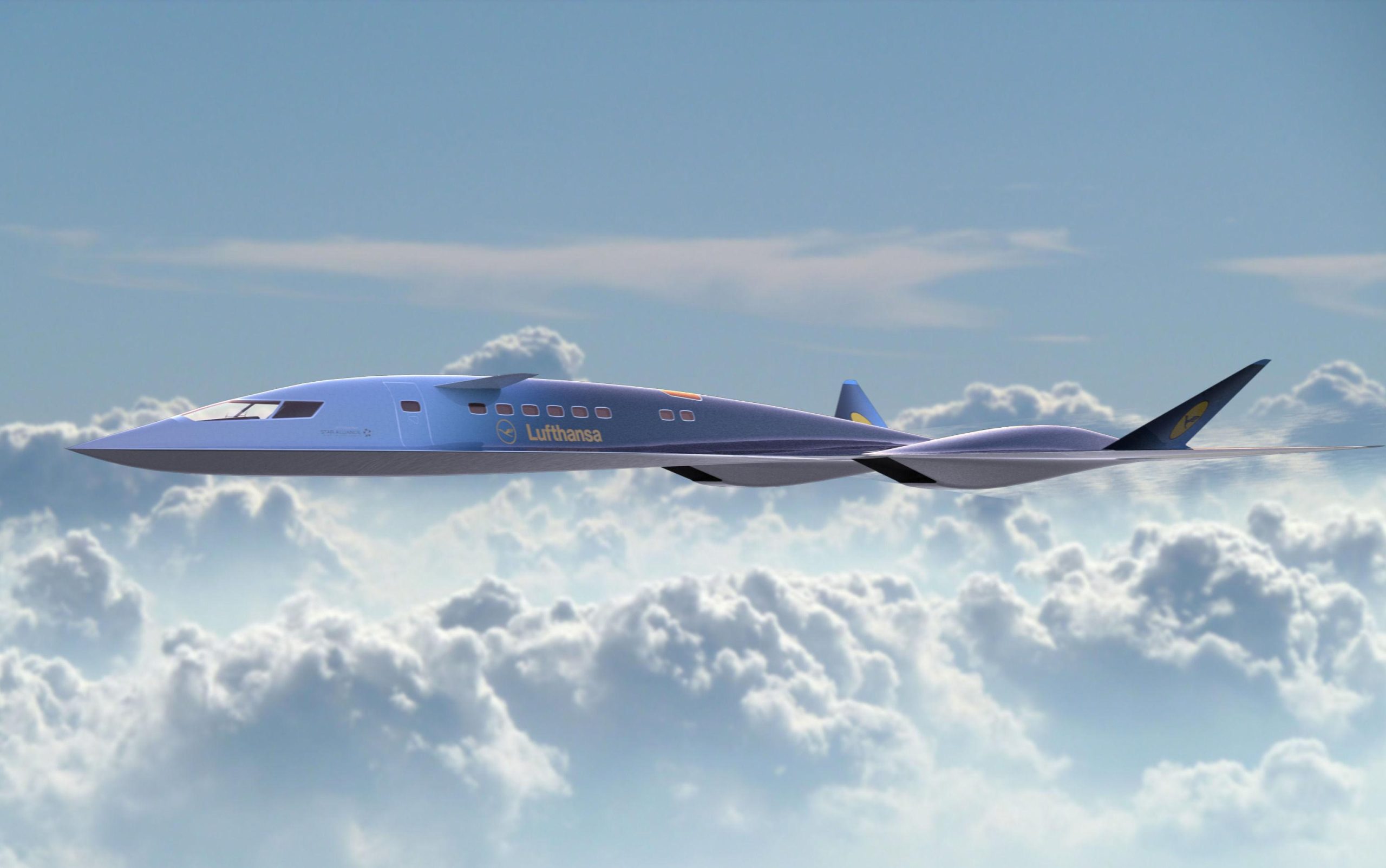
Speed and Range: Pushing the Boundaries of Efficiency
At the core of any elite jet’s performance lies its ability to combine speed with range. When a jet is designed to carry passengers over long distances at high speeds, it must balance aerodynamic efficiency with engine power. The leading models in this category boast impressive speed records while offering the range necessary for non-stop, transcontinental flights.
Key Speed and Range Benchmarks:
Gulfstream G700: One of the most talked-about jets in terms of performance, the Gulfstream G700 is designed for long-haul journeys with its impressive range of 7,500 nautical miles and a top speed of Mach 0.925. This allows passengers to travel across continents without the need for refueling, while still cruising at nearly the speed of sound.
Bombardier Global 7500: The Global 7500 takes the spotlight with a range of 7,700 nautical miles and a top speed of Mach 0.925, making it one of the longest-range jets in the market. This elite jet can connect cities like New York and Hong Kong non-stop, making it an ideal choice for global business leaders and high-net-worth individuals who need speed and efficiency.
Dassault Falcon 10X: A competitor to the G700 and Global 7500, the Dassault Falcon 10X also boasts a maximum range of 7,500 nautical miles and a top speed of Mach 0.925. The Falcon 10X is known for its refined performance and cutting-edge aerodynamics that deliver a supremely smooth flight.
These jets, with their superior speed and range, redefine the standards of private aviation by making long-distance flights more convenient and accessible without compromising on comfort or efficiency.
- Altitude and Cabin Pressure: Enhancing Comfort and Performance
Elite jets are designed not just for speed, but for the ultimate comfort of their passengers during high-altitude flights. One of the key aspects of a jet’s performance is its ability to cruise at altitudes that minimize turbulence while maintaining a comfortable environment for passengers.
Key Altitude and Cabin Pressure Metrics:
Gulfstream G700: The G700 excels in this area with its ability to cruise at altitudes of 51,000 feet, well above the typical commercial airliner cruising altitude of 35,000 feet. This results in a smoother ride, as the jet avoids much of the turbulence typically found at lower altitudes. The G700 also features a cabin altitude of just 2,900 feet, ensuring that passengers experience a more comfortable environment with less fatigue.
Bombardier Global 7500: The Global 7500 also cruises at a high altitude of 51,000 feet, helping to maintain a smooth flight. Its cabin altitude is even lower than the G700 at 2,400 feet, which significantly enhances passenger comfort. The combination of high cruising altitude and low cabin pressure results in reduced jet lag, making it an ideal choice for long-haul flights.
Dassault Falcon 10X: The Falcon 10X takes things further with its comfortable cabin altitude of 2,000 feet at cruising altitude. Coupled with the ability to fly at 51,000 feet, it offers one of the most comfortable in-flight experiences in terms of both pressure and stability.
These altitude capabilities not only improve the jet’s performance but also significantly enhance the passengers’ overall experience by reducing fatigue, ensuring clearer skies, and maintaining a pleasant cabin environment.
- Fuel Efficiency and Environmental Impact: Sustainability Meets Performance
As private jetshttps://privatejetia.com push the limits of performance, there is increasing pressure to reduce their environmental footprint. Fuel efficiency and sustainability are becoming central considerations in jet design, especially for elite models that are in high demand from discerning owners who expect both luxury and eco-consciousness in their travel.
Key Fuel Efficiency and Sustainability Innovations:
Gulfstream G700: The G700 is equipped with two Rolls-Royce Pearl 700 engines, which not only provide incredible speed and power but also enhance fuel efficiency. Gulfstream has focused on making the G700 a more fuel-efficient jet, ensuring that it delivers optimum performance while reducing emissions. The aircraft is designed to be more environmentally friendly, with a low carbon footprint per passenger, which is a significant advantage for those concerned with sustainability.
Bombardier Global 7500: The Global 7500 is powered by two General Electric Passport engines, which are among the most fuel-efficient engines in the industry. These engines, coupled with the aerodynamic design of the jet, help reduce overall fuel consumption and emissions, making the Global 7500 a great option for those looking to balance luxury with sustainability.
Dassault Falcon 10X: The Falcon 10X boasts new-generation engines that improve fuel efficiency and reduce the environmental impact. It is also designed to be more efficient in its aerodynamics, helping reduce drag and, in turn, lowering fuel consumption. Dassault is pushing for increased sustainability, and the Falcon 10X is part of that vision, offering high performance without the environmental cost.
While the private jet industry has traditionally been associated with high fuel consumption, these elite models are leading the charge in incorporating technologies that reduce both fuel consumption and emissions, making them more eco-friendly than their predecessors.
- Handling and Maneuverability: Superior Control and Stability
Performance is not just about speed and range; it’s also about how well the jet handles under various flying conditions. Maneuverability is a key factor in performance, particularly when considering the weight, size, and aerodynamics of the jet. An elite jet needs to be responsive, stable, and capable of quick changes in altitude and direction.
Handling and Stability Benchmarks:
Gulfstream G700: The G700 is known for its smooth, responsive handling, thanks to Gulfstream’s Advanced Cockpit Technology. This includes the Gulfstream Symmetry Flight Deck, which enhances pilot control, reduces pilot workload, and improves the jet’s overall handling, making it one of the easiest jets to fly in its class.
Bombardier Global 7500: The Global 7500 boasts fly-by-wire controls that provide superior maneuverability and precise handling. The aircraft is highly responsive, ensuring smooth transitions during high-speed and high-altitude maneuvers, which makes it an excellent choice for those who want a jet that can perform well in diverse conditions.
Dassault Falcon 10X: The Falcon 10X is built with advanced aerodynamic features and state-of-the-art flight control systems, which enhance its stability and handling in all weather conditions. The aircraft’s fly-by-wire system further contributes to its ability to maintain precise control in challenging flight conditions.
The combination of responsive handling and stability is what gives these elite jets their ability to perform excellently in diverse flying environments, ensuring that passengers enjoy a smooth and comfortable journey, no matter the conditions.
- Innovation and Future Performance Enhancements
The future of elite jet performance is poised for even greater innovation. With the ongoing advancements in engine technology, aerodynamics, and fuel efficiency, the next generation of luxury jets will redefine performance benchmarks.
Key Innovations to Look For:
Electric and Hybrid Power: As the aviation industry continues to explore sustainable alternatives, the future may see the development of electric and hybrid power systems for private jets. Companies like Ampaire are already working on electric aviation, and while these technologies may not yet be available in elite jets, they could revolutionize the industry in the coming decades.
Advanced Aerodynamics: New wing designs and flight control systems will continue to improve fuel efficiency, reduce drag, and enhance the overall performance of luxury jets. Jets will become more fuel-efficient, allowing for greater range and faster speeds with minimal environmental impact.
Autonomous Flight: The concept of autonomous flying is making its way into the private jet market. The future could see the introduction of self-piloting jets, further enhancing the convenience, safety, and efficiency of flying in the elite jet category.
Conclusion
Elite jets are no longer just a symbol of wealth and status; they represent the cutting edge of aviation technology, performance, and luxury. As the industry evolves, the demand for high-performance jets that offer speed, range, efficiency, and sustainability will continue to grow. The Gulfstream G700, Bombardier Global 7500, and Dassault Falcon 10X exemplify the best in class when it comes to performance, and their benchmarks set the stage for future innovations in luxury aviation. These jets are not just about flying, they are about mastering the art of flight, ensuring that every journey is as efficient, comfortable, and exhilarating as possible.