Private Jet PrivateJetia 010
Personalized Luxury: Tailoring Every Aspect of the Jet Experience
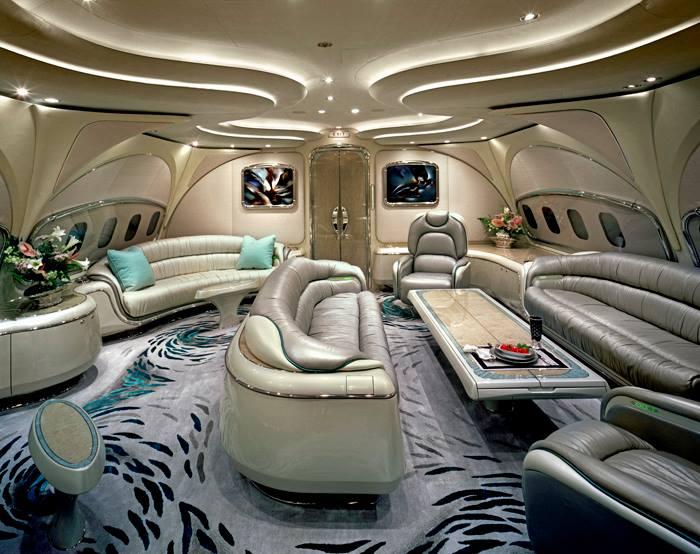
One of the most significant trends in the luxury jet industry is the growing demand for personalization. Today’s jet owners expect their aircraft to reflect their personal tastes, with interiors that go beyond the standard offerings of leather seating and wood paneling. Aircraft manufacturers are responding to this demand by offering customized interiors, where every detail can be customized to the owner’s preferences.
From bespoke furniture to custom-designed flooring, luxury jets are increasingly becoming flying palaces that feature unique and personal design elements. Whether it’s a private office with the latest tech, a fully equipped bar area, or a master suite with a king-sized bed, private jet manufacturers are offering a variety of options to meet the individual desires of their clients.
The material choices for interiors are also becoming more varied, with owners opting for exotic woods, precious metals, and luxury fabrics like cashmere and silk. Lighting systems have evolved to provide customizable atmospheres, with mood lighting options that adjust to the time of day or personal preference, enhancing the comfort of the cabin.
Advancements in Jet Technology: Enhancing Performance and Comfort
While design and luxury are central to the appeal of high-end jets, performance technology continues to be a key factor in setting them apart. As jet owners increasingly seek aircraft that provide both speed and efficiency, manufacturers are introducing cutting-edge technology to enhance the flying experience.
For example, many of the latest luxury jets feature next-generation engines that offer superior fuel efficiency, reducing the environmental footprint of air travel. Innovations such as fly-by-wire controls and automated systems allow for more precise handling and enhanced safety, giving both pilots and passengers greater peace of mind during flight.
In addition, the rise of green aviation trends is pushing jet manufacturers to incorporate eco-friendly solutions into their designs. These include the use of lightweight materials, which reduce the weight of the aircraft and, consequently, improve fuel efficiency. Moreover, there is a growing interest in sustainable aviation fuel (SAF), which reduces carbon emissions, and electric propulsion systems that may define the future of eco-friendly jets.
Connectivity and Entertainment: Staying Linked to the World Above
As private jet owners often need to stay connected with their business, family, or entertainment, the latest luxury jets come equipped with advanced connectivity systems. High-speed internet is now standard on most premium aircraft, allowing passengers to stream movies, conduct business meetings, and stay connected with ease.
The latest satellite communication systems offer reliable global internet coverage, allowing passengers to remain productive throughout their flight. Some jets are even equipped with video conferencing capabilities, so owners can host meetings or virtual events without needing to land. This is especially appealing for executives who need to maintain business operations during long-haul flights.
When it comes to entertainment, luxury jets are equipped with state-of-the-art sound systems and high-definition displays, ensuring that every passenger can enjoy their favorite movies, music, or shows in a cinematic quality. Some aircraft even offer fully integrated home theater systems, where passengers can enjoy an immersive experience during their flight.
Increased Focus on Wellness: Comfort and Relaxation at New Heights
Another significant trend in luxury jets is the focus on wellness. Manufacturers are incorporating wellness features into their designs to ensure that passengers arrive at their destination feeling refreshed, not fatigued. These innovations aim to address the physical strain that long flights can sometimes cause and create an environment conducive to relaxation and well-being.
One key feature gaining popularity is the advanced air filtration systems that ensure a constant supply of fresh, clean air throughout the flight. Many jets now come equipped with HEPA filters that remove airborne particles and allergens, improving the air quality inside the cabin. In addition, humidification systems are becoming more common, as dry air can cause discomfort on long flights.
Jet interiors are also designed with comfort in mind, with ergonomically designed seats that offer full recline and can be transformed into lie-flat beds for sleep. Additionally, massage functions and adjustable lumbar support are becoming standard features on many luxury jets, offering a level of comfort comparable to a five-star hotel.
Smart Interiors: The Integration of Cutting-Edge Technology
Technology is playing an increasingly important role in luxury jet interiors, with many aircraft now featuring smart home-like systems. These smart interiors allow passengers to control lighting, temperature, and even entertainment systems through voice commands or smartphone apps. This automation makes it easy for passengers to create their preferred environment with minimal effort.
In addition to the smart controls, some jets are equipped with augmented reality features that can enhance the flight experience. Passengers can use interactive screens to view the landscape below or access real-time flight data. These technological advancements aim to make the travel experience more intuitive and enjoyable.
The cockpit technology has also evolved significantly, with advanced flight systems that provide real-time data on aircraft performance and ensure smoother operations. Pilots are now equipped with digital flight management systems that allow for more efficient flight paths, contributing to a reduction in fuel consumption and ensuring a more comfortable ride for passengers.
Sustainability and Luxury: Merging Environmental Concerns with Prestige
In the face of increasing environmental awareness, the luxury jet industry is seeing a growing interest in sustainable practices. Although private aviation is often seen as a high-emissions industry, the latest luxury jets are designed to be more eco-friendly, offering solutions that reduce their carbon footprint without sacrificing performance or comfort.
Many jet manufacturers are exploring sustainable aviation fuel (SAF) as an alternative to traditional jet fuel. SAF is produced from renewable resources, such as plant-based materials, and can significantly reduce the carbon emissions associated with flying. Additionally, the use of electric propulsion systems in smaller aircraft is gaining traction, with companies experimenting with hybrid or fully electric jets that could revolutionize the way people fly in the future.
Final Thoughts on the Future of Luxury Jet Trends
The luxury jet industry is experiencing a period of rapid innovation, with manufacturers embracing new technologies and design philosophies to meet the growing demands of elite travelers. From personalized interiors to cutting-edge connectivity, these aircraft offer an unparalleled level of luxury and comfort that sets them apart from commercial aviation. As trends in sustainability, wellness, and advanced technology continue to shape the future of the industry, we can expect the next generation of luxury jets to offer even more exciting and innovative features.


