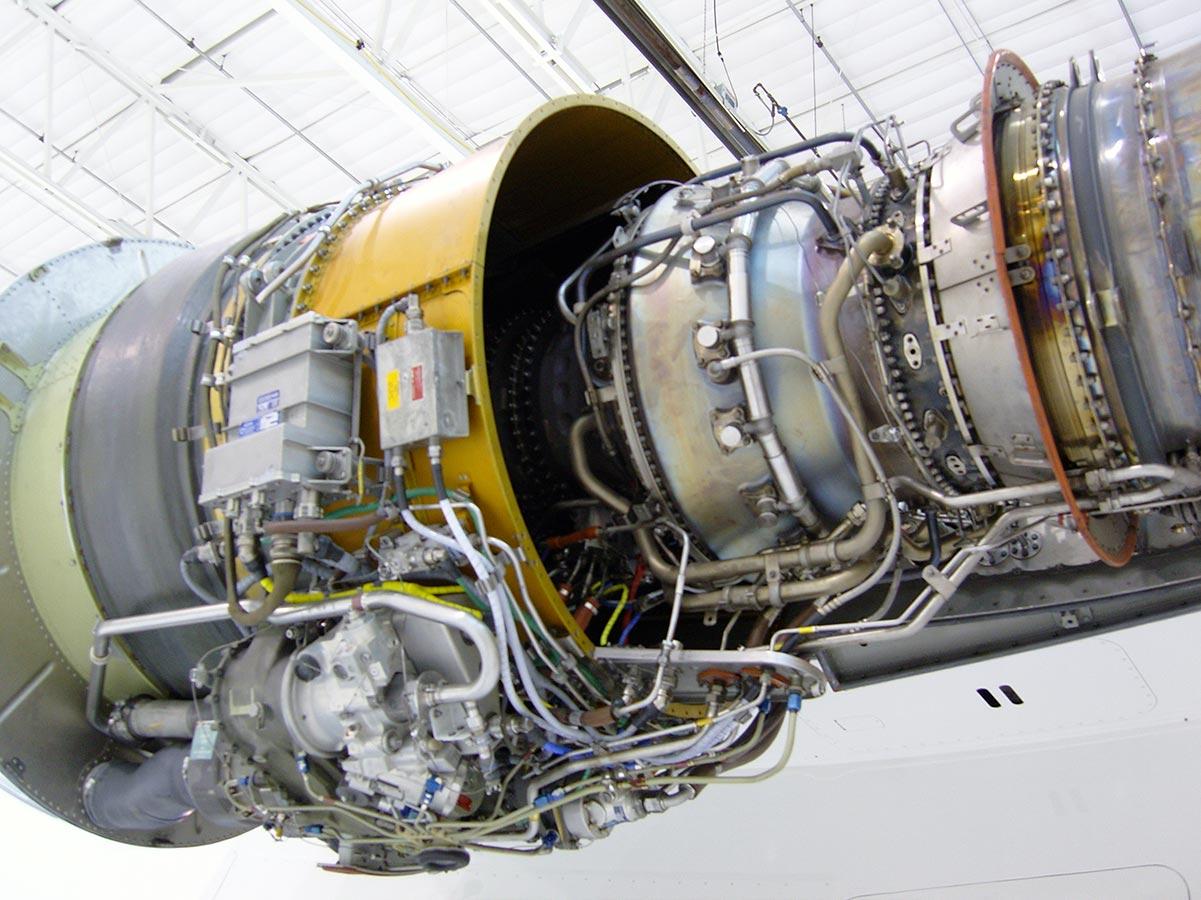
The world of aviation is constantly evolving, with new technologies and innovations driving the industry toward greater efficiency, sustainability, and performance. One of the most exciting developments in this field is the emergence of ultra-lightweight AI-optimized jet frames. These jet frames, powered by artificial intelligence (AI), are set to revolutionize the design and construction of aircraft, offering significant advantages in terms of performance, fuel efficiency, and sustainability. As AI continues to advance, its integration into aviation is becoming increasingly sophisticated, paving the way for a new generation of aircraft that are lighter, faster, and more efficient than ever before.
What Are Ultra-Lightweight AI-Optimized Jet Frames?
Ultra-lightweight AI-optimized jet frames refer to the use of artificial intelligence to design and construct aircraft frames that are significantly lighter than traditional models. By leveraging AI algorithms and advanced materials, engineers are able to create jet frames that retain their strength and durability while reducing their overall weight. This reduction in weight leads to improved fuel efficiency, increased range, and better performance.
AI plays a critical role in optimizing the design of jet frames. Traditional methods of designing aircraft frames involved a trial-and-error approach, where engineers would create prototypes and test them to determine the best design. However, this process is time-consuming and costly. With AI, engineers can input specific parameters and use machine learning algorithms to predict the best materials, shapes, and structural configurations for the jet frame. This approach not only accelerates the design process but also results in frames that are more efficient and cost-effective.
The Role of AI in Optimizing Jet Frame Design
AI is transforming the way aircraft frames are designed by providing advanced capabilities that were previously unavailable. Some of the key ways AI is optimizing jet frame design include:
- Material Selection and Optimization: AI can analyze vast amounts of data on different materials to determine which ones will provide the best combination of strength, weight, and durability. Using this data, AI can recommend materials that are not only lightweight but also strong enough to withstand the stresses and forces experienced during flight. For example, composite materials such as carbon fiber are increasingly being used in jet frames due to their high strength-to-weight ratio. AI can identify the optimal mix of materials that will reduce weight without compromising safety or performance.
- Structural Design and Simulation: AI can run complex simulations to test various design configurations and predict how different structural elements will behave under real-world conditions. By using AI to simulate the performance of a jet frame, engineers can identify weaknesses in the design and make adjustments before the frame is built. This predictive capability helps create more efficient and reliable jet frames, reducing the need for costly physical testing and prototypes.
- Aerodynamic Optimization: Aerodynamics is a key factor in the performance of any aircraft, and AI is playing an increasingly important role in optimizing jet frame designs for maximum aerodynamic efficiency. By analyzing airflow patterns and adjusting the shape of the jet frame, AI can help create more streamlined aircraft that experience less drag, improving fuel efficiency and overall performance. This is particularly important for private jets, where fuel efficiency and range are critical factors.
- Weight Distribution: AI can help optimize the distribution of weight within the aircraft frame, ensuring that the weight is balanced in such a way that it enhances stability and performance. By carefully considering factors such as the location of the engines, wings, and cockpit, AI can ensure that the aircraft has the ideal weight distribution for optimal flight characteristics.
- Predictive Maintenance: AI not only plays a role in the design phase but also in the ongoing maintenance of aircraft. Using data from sensors and historical flight data, AI can predict when certain components of the jet frame may require maintenance or replacement. This predictive maintenance capability ensures that jet frames are kept in top condition throughout their lifespan, reducing downtime and increasing the longevity of the aircraft.
Benefits of Ultra-Lightweight AI-Optimized Jet Frames
The adoption of ultra-lightweight AI-optimized jet frames offers numerous benefits for the aviation industry, ranging from fuel savings to reduced environmental impact. Some of the most significant benefits include:
- Improved Fuel Efficiency: The reduction in weight achieved through AI optimization results in better fuel efficiency. Lighter aircraft require less fuel to fly, which not only lowers operating costs but also reduces the environmental impact of flying. For private jets, this translates to significant savings in fuel costs and longer ranges without the need for refueling.
- Increased Range: With a lighter jet frame, aircraft can fly longer distances without running out of fuel. This is particularly important for long-haul flights and for aircraft that need to carry heavy payloads. By optimizing the design of the jet frame, AI allows private jets to fly longer distances while maintaining high levels of efficiency.
- Enhanced Performance: Lighter aircraft are generally more maneuverable and responsive, which improves their overall performance. AI-optimized jet frames can result in aircraft that are not only more efficient but also more agile, providing pilots with a more enjoyable and responsive flying experience.
- Cost Savings: AI-optimized jet frames are more cost-effective to produce due to the streamlined design process and the use of advanced materials. By reducing the need for physical prototypes and costly testing, AI can help manufacturers bring new jet designs to market more quickly and at a lower cost. These savings can be passed on to consumers, making advanced private jets more affordable and accessible.
- Environmental Impact: The aviation industry has long been criticized for its environmental impact, particularly in terms of carbon emissions. By making jet frames lighter, AI-optimized designs contribute to a reduction in fuel consumption, which in turn reduces the carbon footprint of aviation. As the aviation industry seeks to become more sustainable, AI will play a critical role in driving the development of greener, more environmentally-friendly aircraft.
The Future of AI-Optimized Jet Frames
As AI continues to evolve, its impact on jet frame design will only become more profound. In the future, AI-powered systems will be able to create even more advanced, lightweight designs with greater precision and efficiency. Additionally, the integration of autonomous flight systems and smart materials will further enhance the capabilities of AI-optimized jet frames.
The rise of electric and hybrid aircraft is another area where AI will play a significant role. As the aviation industry moves toward more sustainable energy sources, AI will help design lighter, more efficient jet frames that are optimized for electric propulsion. This will enable private jets to operate with lower emissions and reduced reliance on traditional fossil fuels.
Furthermore, the growing use of 3D printing and additive manufacturing will allow for more complex and customized jet frame designs. AI will work in tandem with these technologies to produce ultra-lightweight frames that are customized to the specific needs of the operator, whether it be for increased range, higher performance, or greater passenger comfort.
Conclusion
The future of ultra-lightweight AI-optimized jet frames is incredibly promising. By leveraging the power of artificial intelligence, aircraft designers are creating lighter, more efficient, and more sustainable jet frames that are revolutionizing the aviation industry. With improved fuel efficiency, increased range, and enhanced performance, AI-powered jet frames will not only benefit private jet owners but also contribute to the broader goal of reducing the environmental impact of aviation. As technology continues to evolve, the potential for AI-optimized jet frames will only grow, paving the way for a new era of aviation that is faster, greener, and more efficient than ever before.