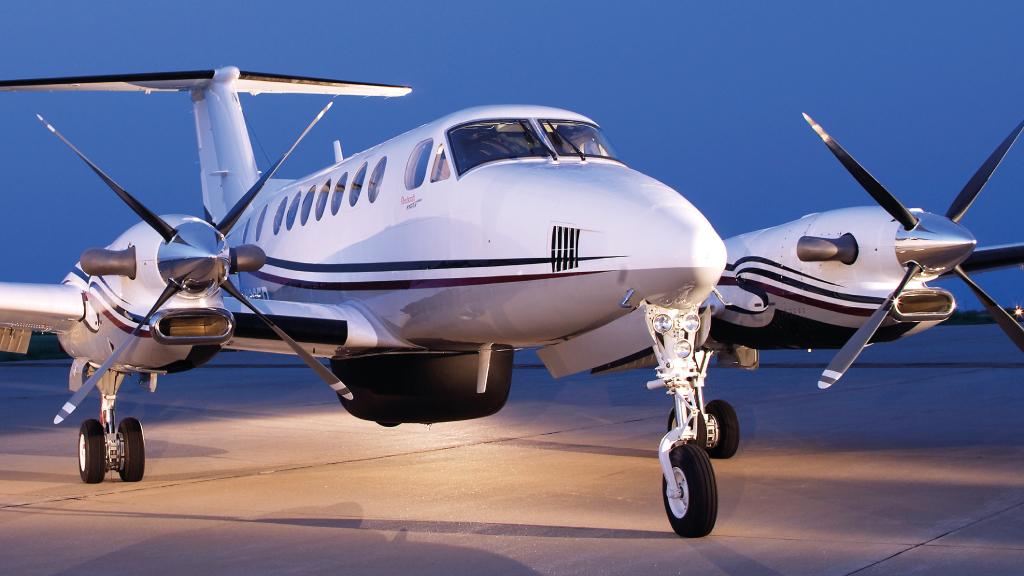
In the world of private aviation, elite jets are the summery of luxury, blending advanced technology, superior performance, and impeccable design. Leading manufacturers like Gulfstream, Bombardier, Dassault, and Airbus have continuously set new standards in jet innovation, pushing the boundaries of what is possible in the sky. These aircraft are not only symbols of status but also showcase the future of aviation with advancements in aerodynamics, interior design, and sustainability. This article provides an in-depth exploration of the innovations that define the next generation of elite jets, offering insights into their groundbreaking features, technologies, and performance metrics.
Revolutionary Aerodynamics and Performance Enhancements
One of the defining characteristics of elite jets is their performance. These jets are designed for speed, range, and efficiency, all while maintaining comfort and luxury. Gulfstream’s G700 is a prime example of this, boasting a top speed of Mach 0.925 and a range of 7,500 nautical miles. The G700’s performance is further enhanced by its state-of-the-art wing design, which improves aerodynamic efficiency and reduces drag, allowing the jet to fly faster and further. The aircraft’s engines, the Rolls-Royce Pearl 700, are engineered for maximum fuel efficiency, reducing operational costs and environmental impact.
Bombardier’s Global 7500 takes performance to new heights, with a top speed of Mach 0.925 and an impressive range of 7,700 nautical miles. This aircraft is powered by the newly designed GE Passport engines, which provide exceptional fuel efficiency and power, allowing the jet to reach its destinations faster while maintaining a smooth and stable flight. The Global 7500 also features a flexible cabin configuration, allowing for various seating and layout options without compromising its aerodynamic performance.
Dassault’s Falcon 10X is another standout in the realm of jet performance. With a top speed of Mach 0.925 and a range of 7,500 nautical miles, the Falcon 10X offers superior fuel efficiency and impressive performance capabilities. The aircraft’s aerodynamic design incorporates advanced materials, such as lightweight composites, to enhance performance while minimizing fuel consumption. Additionally, the Falcon 10X features a high-tech fly-by-wire system that ensures smooth and responsive handling, making it one of the most agile jets in its class.
Airbus’s ACJ320neo is a prime example of how commercial aircraft technology can be adapted for private use. The ACJ320neo combines the efficiency and range of its commercial counterpart with the luxury and customization options required by elite jet owners. The aircraft’s advanced engines reduce fuel consumption by 15% compared to previous models, while its optimized aerodynamics enable it to fly longer distances at faster speeds.
Innovative Cabin Designs: The Future of Comfort and Luxury
The interior of a luxury jet is a reflection of the advancements in design and technology. Modern elite jets focus on creating flexible, comfortable spaces that cater to the unique needs of their passengers. Gulfstream’s G700 takes cabin design to the next level with its spacious 56-foot-long cabin. The G700 offers a customizable layout, with areas for work, relaxation, dining, and entertainment. The interior is designed with high-quality materials, including handcrafted leather and fine textiles, ensuring both comfort and elegance. The aircraft’s panoramic windows allow natural light to flood the cabin, creating a sense of openness and tranquility.
Bombardier’s Global 7500 offers a similarly luxurious cabin design, with flexible seating arrangements and private suites. The aircraft’s Nuage seating technology redefines in-flight comfort, offering a fully reclining seat that adjusts to the passenger’s preferred position. The Global 7500 also features a full-size bed, a spacious dining area, and multiple entertainment options, ensuring that passengers can work, relax, or entertain in style.
Dassault’s Falcon 10X takes cabin design to new heights with the widest cabin in its class. The Falcon 10X’s interior is designed with modularity in mind, allowing passengers to customize their space according to their preferences. Whether it’s a private office, a lounge, or a dining area, the Falcon 10X offers the flexibility to create the perfect in-flight environment. The aircraft also boasts large windows, providing stunning views and ample natural light.
Airbus’s ACJ320neo offers a unique cabin design that incorporates elements from both commercial and private aviation. The aircraft features full-size bedrooms, bathrooms, and even a shower, ensuring that passengers can travel in ultimate comfort. The cabin is highly customizable, with a wide range of materials and finishes available to suit the owner’s tastes. The ACJ320neo also offers an impressive amount of space, allowing for multiple seating areas, private lounges, and dining rooms.
Technological Innovations: Pushing the Boundaries of In-Flight Experience
Technology is a driving force behind the evolution of elite jets, enhancing every aspect of the in-flight experience. Gulfstream’s G700 is equipped with cutting-edge technology, including the Gulfstream Cabin Management System (CMS), which allows passengers to control lighting, temperature, entertainment, and more from their personal devices. The G700 also features high-speed internet connectivity, ensuring that passengers can remain connected throughout the flight. The aircraft’s advanced soundproofing technology ensures a quiet and peaceful cabin environment, allowing for uninterrupted relaxation and work.
Bombardier’s Global 7500 features a sophisticated cabin management system that integrates with the aircraft’s entertainment system, allowing passengers to control all aspects of their in-flight experience. The aircraft also boasts a high-definition entertainment system, offering a wide selection of movies, music, and television shows. The Global 7500 is equipped with the latest satellite communication technology, providing high-speed internet and ensuring that passengers are always connected.
Dassault’s Falcon 10X features the latest in-flight technology, including a touch-sensitive cabin management system and advanced entertainment options. The aircraft’s cutting-edge avionics ensure smooth and responsive flight, while its advanced connectivity options allow passengers to remain in touch with the outside world. The Falcon 10X also features an intuitive lighting system that can be adjusted to create the perfect ambiance for any occasion.
Airbus’s ACJ320neo is equipped with an advanced entertainment system that includes streaming services, satellite television, and the ability to connect personal devices. The aircraft also features an intuitive cabin management system, allowing passengers to control lighting, temperature, and other settings with ease. The ACJ320neo’s connectivity options ensure that passengers can remain in touch with the world, even while traveling at 40,000 feet.
Sustainability in Luxury Aviation: Eco-Friendly Innovations
As environmental concerns continue to rise, elite jet manufacturers are embracing sustainability in their designs. Gulfstream’s G700 incorporates lightweight materials and fuel-efficient engines, reducing its overall carbon footprint. The aircraft is designed to optimize fuel consumption while maintaining exceptional performance, ensuring that luxury aviation can remain environmentally responsible.
Bombardier’s Global 7500 is equipped with the latest fuel-efficient engines, which allow it to operate using sustainable aviation fuel (SAF). The use of SAF reduces the aircraft’s carbon emissions, making it a more eco-friendly option for private aviation.
Dassault’s Falcon 10X incorporates sustainable materials and advanced fuel-efficient technology to reduce its environmental impact. The aircraft is designed to meet the growing demand for sustainability in aviation while still providing top-tier luxury and performance.
Airbus’s ACJ320neo is designed with sustainability in mind, featuring advanced engines that reduce fuel consumption by 15%. The aircraft’s carbon footprint is significantly lower than previous models, making it one of the most eco-friendly options in the luxury jet market.
Conclusion: The Pinnacle of Luxury and Innovation in Aviation
The innovations seen in today’s elite jets represent the culmination of years of research, development, and design. From revolutionary aerodynamics to cutting-edge technology and sustainable practices, these jets are redefining what is possible in aviation. Gulfstream, Bombardier, Dassault, and Airbus continue to lead the way in offering jets that combine unmatched performance with luxurious interiors and advanced technological features. As these manufacturers push the boundaries of innovation, the future of private aviation looks brighter than ever.