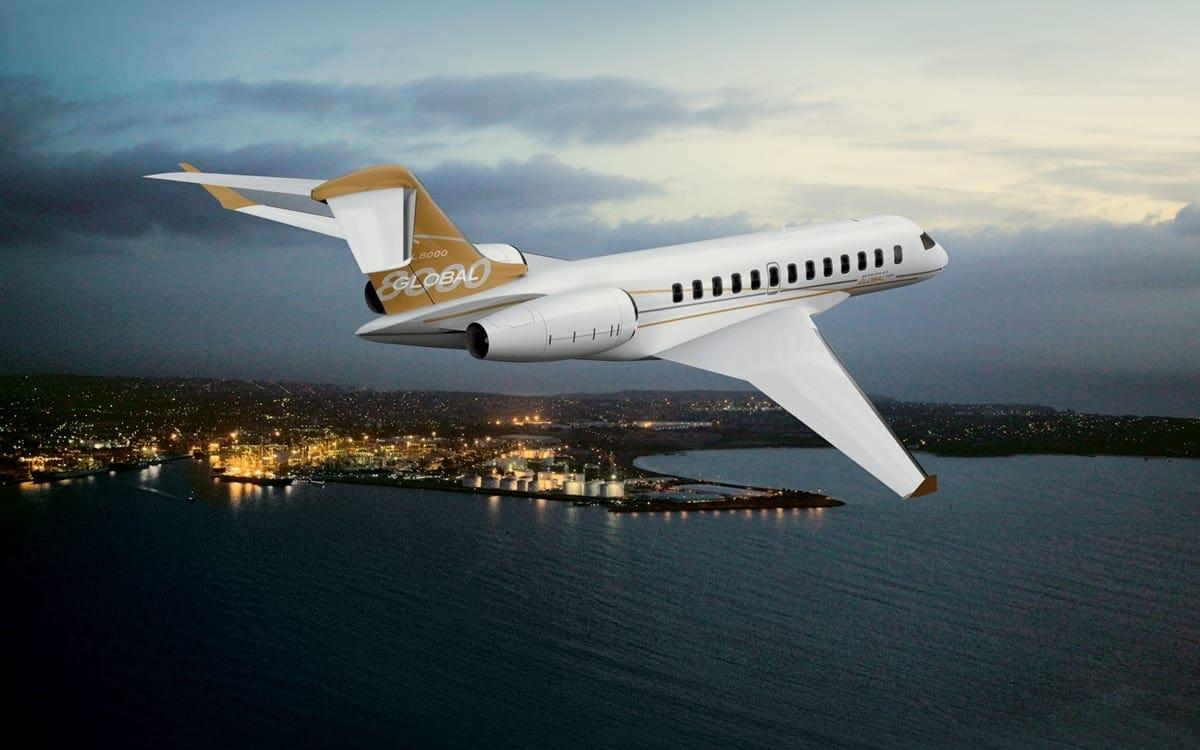
The world of private aviation is experiencing a transformative revolution. Next-gen luxury jets are not just about sleek designs and comfortable cabins; they are a fusion of advanced technologies, sustainable features, and unparalleled luxury that cater to the most discerning clientele. As the demand for exclusive flying experiences grows, so does the need for innovations that redefine air travel. This Airborne Innovation Mastery Ultimate Edition will explore and benchmark the latest advancements in luxury jets, offering an in-depth comparison of the most futuristic models, their innovations, and what sets them apart in the competitive world of premium aviation.
The Evolution of Airborne Innovation
Aviation innovation has long been a hallmark of the luxury jet industry. From the earliest days of aviation, where private jet travel was limited to the ultra-wealthy, the industry has seen continuous advancements in both technology and design. However, the modern era of private aviation is distinct, today’s luxury jets are engineered not only for exceptional performance but also for an all-encompassing passenger experience that extends far beyond mere travel from point A to point B.
The early private jets, such as the Learjet 23 and the Dassault Falcon 20, focused primarily on speed and comfort, offering an elevated experience over commercial airliners. Yet, as consumer expectations grew, the introduction of advanced avionics systems, luxury interiors, and customization options became the focus for many aircraft manufacturers.
By the turn of the 21st century, private jet manufacturers like Gulfstream, Bombardier, and Dassault had started to integrate state-of-the-art technologies into their designs, focusing not only on performance and aesthetics but also on creating smarter and more efficient jets. These efforts laid the foundation for the next-gen luxury jets we see today.
Benchmarking the Latest Innovations in Luxury Jets
Airborne innovations are taking luxury jets into a new era, with designs that challenge traditional concepts of comfort and functionality. The most prominent trends today include cutting-edge avionics systems, sustainable jet materials, smart cabin technologies, and unprecedented customization options. The following is a comparative analysis of the most noteworthy next-gen luxury jets that are shaping the future of private aviation:
- Gulfstream G700: Setting the Standard for Performance and Luxury
The Gulfstream G700 is widely regarded as one of the most innovative luxury jets ever created. Released in 2020, the G700 boasts a combination of advanced technology and luxury design, ensuring it remains a top contender in the private aviation market.
Performance & Range: Powered by the Symmetry Flight Deck, the G700 features one of the most advanced cockpit systems available today. It is equipped with Gulfstream’s Predictive Landing Performance System, which allows for enhanced safety and situational awareness. The aircraft can fly non-stop for up to 7,500 nautical miles, enabling it to easily connect major international hubs across continents.
Innovative Features: One of the most significant innovations is the G700’s interior. With the longest cabin in the industry at 56 feet, the G700 offers multiple living areas, including a full-sized bedroom, spa-like bathroom, and a private office space. Gulfstream has also integrated Gulfstream Cabin Experience™, which includes improved air quality, low cabin altitude, and the ability to personalize lighting, temperature, and even sound throughout the cabin.
Sustainability: The G700 also addresses the growing demand for sustainable aviation. Its high-efficiency engines provide better fuel economy while reducing carbon emissions.
- Bombardier Global 7500: The Pinnacle of Comfort and Technology
Launched in 2018, the Bombardier Global 7500 redefines the boundaries of long-range private aviation. Known for its luxury and technological features, this jet is an summery of elegance and innovation.
Performance & Range: The Global 7500 features a remarkable 7,700 nautical mile range, capable of connecting distant cities like New York to Hong Kong or London to Sydney without the need for refueling. With a maximum cruising speed of Mach 0.925, it offers both speed and efficiency, combining to deliver a high-performance flying experience.
Interior Design: The Global 7500’s interior offers four distinct living spaces, including a full-size master suite with a private ensuite bathroom, and a dining room that can comfortably seat six passengers. The Cabin Management System allows passengers to adjust virtually everything, from lighting to seating positions, via touchscreen controls.
Technological Edge: Bombardier’s Vision Flight Deck integrates next-gen avionics that enhance operational efficiency, and fly-by-wire technology ensures the aircraft is as responsive as it is smooth.
Sustainability: As with the Gulfstream G700, the Global 7500 uses advanced engines designed to optimize fuel consumption, contributing to a more eco-friendly flying experience.
- Dassault Falcon 10X: A New Era of Ultra-Luxury Aviation
Expected to enter service in 2025, the Dassault Falcon 10X is one of the most eagerly awaited next-gen jets in aviation history. The Falcon 10X represents a quantum leap in luxury, blending sophisticated design with groundbreaking technology.
Performance & Range: The Falcon 10X offers a 7,500 nautical mile range, making it capable of flying across the globe non-stop. Powered by the Pratt & Whitney PW800 engines, the Falcon 10X is designed for superior performance, exceptional fuel efficiency, and ultra-low emissions.
Interior Design: The Falcon 10X will feature five distinct living zones, each designed with the utmost attention to detail. Key features will include a fully private office, an expansive lounge area, and a master bedroom with an integrated ensuite bathroom. The innovative FalconEye™ system will enable passengers to interact with the aircraft in entirely new ways.
Innovative Technologies: The Falcon 10X will be equipped with next-gen avionics, including the Touch-Control System and an all-digital cockpit. The cabin will also feature 360-degree panoramic windows, allowing for spectacular views of the sky and scenery below.
Sustainability: The Falcon 10X will embrace a strong commitment to environmentally friendly aviation, utilizing advanced materials and engine technologies that minimize environmental impact.
The Technological Revolution: Shaping the Future of Luxury Aviation
Next-gen luxury jets are also at the forefront of a technological revolution. As airborne innovations become more integrated into aircraft design, we can expect to see smart jets with an increasing focus on autonomous flying, artificial intelligence, and digitalization.
Autonomous Flying and AI: Many of the next-gen jets already incorporate autopilot systems and AI-driven features that help improve flight safety and performance. This may evolve further as fully autonomous jets become a reality in the coming decades. Artificial intelligence could manage everything from flight path optimization to passenger service onboard, creating a seamless, ultra-modern flying experience.
Digital and Smart Cabins: As cabin designs evolve, smart technologies such as voice control, gesture control, and AI-integrated systems will become standard. Passengers will be able to adjust their environment using virtual assistants that respond to voice commands or even analyze passenger preferences to offer personalized services.
Green Aviation: The aviation industry is moving toward a greener future with the development of sustainable aviation fuels (SAFs), electric propulsion technologies, and more fuel-efficient engines. Future luxury jets will be designed with environmental consciousness in mind, creating a balance between opulence and sustainability.
Conclusion: A Glimpse into the Future of Luxury Aviation
The next-gen luxury jets of tomorrow are not only faster, more efficient, and more comfortable, they are smarter, greener, and more customized than ever before. As technological innovations continue to reshape the industry, passenger experience will be at the heart of design, ensuring that private aviation remains the ultimate mode of transportation for those seeking unmatched luxury.
From advanced avionics to eco-friendly designs, the Gulfstream G700, Bombardier Global 7500, and Dassault Falcon 10X stand as testaments to the groundbreaking developments in luxury aviation. These jets offer a window into a future where private flying is not just about reaching a destination but about experiencing the journey in the most luxurious and innovative way possible.
As the industry continues to evolve, the next generation of luxury jets will undoubtedly push the boundaries of what is possible, ensuring that air travel remains a luxury experience that is second to none.