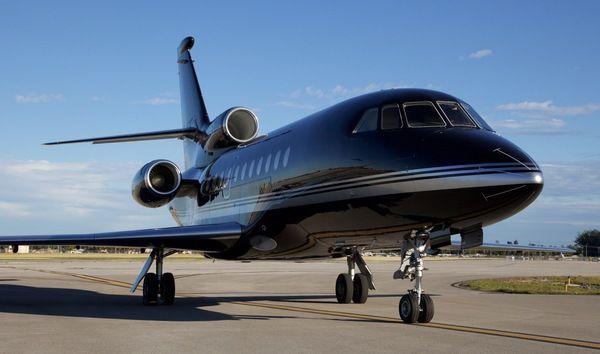
As the world of luxury aviation continues to evolve, private jets are becoming more than just a mode of transportation. They are a symbol of opulence, cutting-edge technology, and personalized experiences. The Airborne Innovation Ultimate Edition dives deep into the latest trends and advancements in the luxury jet industry, offering a comprehensive benchmark comparison of the future of elite air travel. This edition covers the innovative technologies, design trends, and performance metrics that are shaping the jets of tomorrow, ensuring they meet the needs of the most discerning passengers.
Whether you’re a jet enthusiast, a potential buyer, or an aviation professional, this detailed analysis will provide you with essential insights into how luxury jets are adapting to changing demands, environmental concerns, and new technological developments. This edition will look at the pioneering designs, sustainability efforts, and future tech innovations that will continue to define the evolution of luxury aviation.
The Evolution of Luxury Jets: Key Milestones
The journey of luxury jets has been marked by continuous advancements in technology, design, and passenger experience. From the early days of private aviation, where jets were primarily designed for business travelers, to the modern-day customizable luxury cabins that cater to elite clients, the industry has undergone a remarkable transformation.
In the past few decades, aeronautical engineering has introduced more efficient engines, lighter materials, and better aerodynamics, leading to improved fuel efficiency and increased range. Meanwhile, the interior designs have evolved to integrate personalization, wellness, and advanced technology that sets these jets apart from commercial airliners.
Some of the major advancements in luxury jets over the years include:
Larger cabins that offer more space and customization.
The use of lightweight composite materials that increase fuel efficiency and allow for more creative designs.
Increased range that enables long-haul flights without the need for refueling.
The introduction of smart technologies, such as automated systems, on-demand entertainment, and voice-controlled cabin management.
Benchmarking the Future: Key Innovations Shaping Luxury Jets
As the luxury jet industry continues to evolve, several key innovations are setting the standard for the next generation of aircraft. These developments focus not only on performance but also on sustainability, comfort, and efficiency.
Sustainability and Green Aviation Technologies
One of the most pressing concerns in the aviation industry today is environmental impact. The need to reduce carbon emissions and move towards sustainable aviation is driving innovation in the luxury jet market. Manufacturers are increasingly focusing on green technologies to meet stricter environmental regulations and align with the growing demand for eco-friendly travel.
Key advancements include:
Hybrid-electric engines: These engines combine traditional jet engines with electric motors, significantly reducing fuel consumption and carbon emissions.
Sustainable Aviation Fuels (SAF): SAF is made from renewable resources, and its use significantly lowers the carbon footprint compared to conventional jet fuels.
Lightweight composite materials: New materials, such as carbon fiber composites, help reduce the overall weight of the aircraft, making it more fuel-efficient and environmentally friendly.
The Gulfstream G700 is one of the leading models adopting these sustainable practices, with its fuel-efficient design and compatibility with Sustainable Aviation Fuel (SAF).
Enhanced Cabin Design and Customization
The interiors of luxury jets are undergoing a major transformation, driven by the increasing demand for personalized experiences and unmatched comfort. The key features defining next-gen cabin design include:
Modular cabins: These cabins allow passengers to personalize the layout and configuration of the space based on their needs. Whether for work, rest, or entertainment, owners can adjust the cabin’s structure, making it a more versatile environment.
Wellness and biophilic design: Biophilic design integrates natural elements into the cabin, such as plants, wood finishes, and natural lighting, creating a calming environment. Many jets are now incorporating wellness features like advanced air filtration systems, oxygen enrichment, and circadian lighting to help passengers adjust to different time zones and improve their overall wellbeing.
Virtual windows: In jets with limited windows, virtual windows display real-time images of the outside world, enhancing the passenger experience by maintaining a connection to nature even at 40,000 feet.
The Bombardier Global 7500 leads in this area with its spacious cabin design and focus on passenger comfort, offering high ceilings, wide seats, and an extensive range of interior configurations that cater to various needs.
Connectivity and Entertainment Systems
In the age of digital connectivity, modern jets are equipped with cutting-edge communication technologies that ensure passengers are always connected, whether for business or leisure.
High-speed satellite internet: The introduction of next-gen satellite connectivity has made high-speed internet available in the air, enabling passengers to work, stream content, or stay connected with their networks while in-flight.
Immersive entertainment systems: On-demand entertainment options, including live TV, movies, games, and virtual reality experiences, offer an unprecedented level of in-flight entertainment.
Interactive cabin controls: Many jets now feature smart cabin systems, where passengers can control lighting, temperature, entertainment, and even seats using voice commands, touchscreens, or mobile apps
The Dassault Falcon 8X integrates these innovations with its advanced Wi-Fi system and interactive cabin controls, providing an optimal in-flight experience for both work and relaxation
Autonomous Flight Technology
Another exciting development in the world of luxury jets is the exploration of autonomous flight technology. While still in the early stages, autonomous flight systems have the potential to drastically change the way private jets operate, improving safety, efficiency, and passenger convenience.
These systems aim to reduce the need for manual control during flight, using advanced sensors and AI-driven automation to handle routine tasks like navigation and adjustments in flight. As the technology matures, it could lead to autonomous jets capable of flying without direct human input, providing a whole new level of convenience for travelers.
Comparative Analysis of Leading Luxury Jets
Gulfstream G700
The Gulfstream G700 stands out as one of the most innovative luxury jets on the market today. It offers a combination of long-range, luxurious interiors, and cutting-edge technology. Its advanced airframe allows for efficient fuel usage, while the cabin boasts spacious seating, customizable interiors, and a state-of-the-art entertainment system. The G700 is also one of the most sustainable jets, capable of running on Sustainable Aviation Fuel.
Bombardier Global 7500
The Global 7500 is a true game-changer in the world of luxury aviation. With its spacious four-zone cabin, customized layouts, and exceptional range, this jet is designed for maximum comfort and luxury. Bombardier’s focus on personalization and wellness has led to the inclusion of features like customized seating, advanced air purification systems, and a virtual sky for passenger enjoyment.
Dassault Falcon 8X
The Dassault Falcon 8X is known for its performance and comfort, offering an elegant yet functional cabin that caters to long-haul flights. It features advanced avionics and a customizable cabin, along with an eco-friendly design that focuses on reducing fuel consumption and emissions
The Future of Luxury Air Travel: Conclusion
As we look ahead to the future of luxury jets, it’s clear that the industry is evolving rapidly to meet the changing needs and expectations of high-end travelers. Sustainability, technological innovation, and personalization are driving the next wave of luxury aviation, making these jets not just a symbol of status, but also a reflection of the growing demand for comfort, convenience, and eco-consciousness
The Airborne Innovation Ultimate Edition provides a comprehensive view of the most innovative and luxurious private jets of today and tomorrow. With the ongoing evolution of jet technology, we can expect to see even more advanced features and state-of-the-art designs that will continue to set the bar for elite air travel