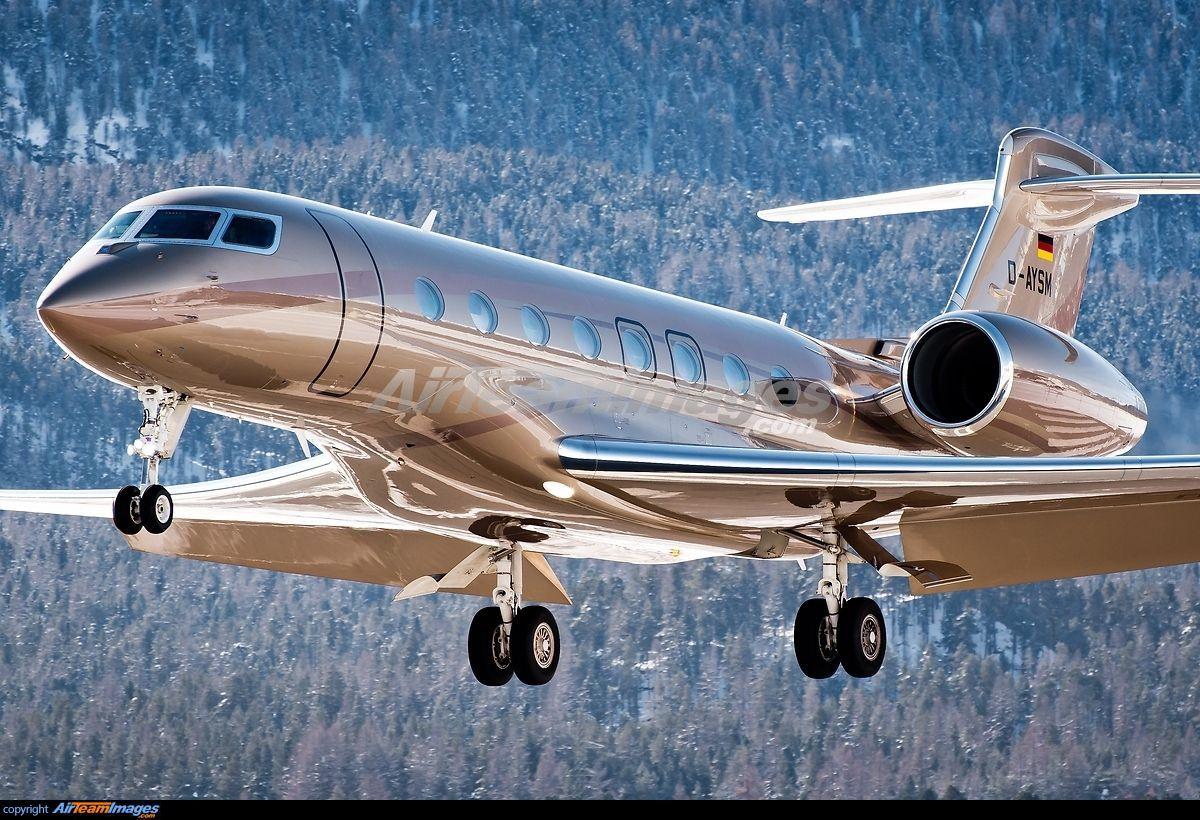
Cutting-Edge Jet Technology: Performance and Efficiency
In the realm of luxury jets, performance is a key factor that defines their appeal. The latest models are not only faster but also more efficient, offering superior fuel consumption, longer range, and enhanced aerodynamics. One of the biggest breakthroughs in jet technology is the integration of advanced materials and designs that reduce drag and improve overall fuel efficiency.
For example, the Gulfstream G700, one of the latest offerings from the iconic manufacturer, uses advanced materials such as lightweight composite materials that improve aerodynamics. With a range of over 7,500 nautical miles and the ability to cruise at a speed of Mach 0.925, this jet is designed for long-haul flights that don’t compromise on speed or comfort.
Similarly, the Bombardier Global 7500 boasts a range of 7,700 nautical miles and a top speed of Mach 0.925, making it one of the longest-range jets in the industry. Bombardier has focused on delivering a perfect blend of luxury, efficiency, and performance. The jet’s unique wing design and use of advanced materials allow it to deliver unmatched fuel efficiency and speed.
Another notable innovation comes in the form of electric propulsion systems, which are beginning to make their mark in private aviation. Aircraft like the Alice by Eviation Aircraft, though still in the developmental phase, demonstrate the potential of electric aviation. These planes aim to offer a quieter, greener alternative to traditional fuel-powered jets, promising lower operational costs and environmental sustainability.
Next-Generation Cabin Designs: Comfort and Aesthetic Excellence
The interior design of luxury jets has seen immense progress in recent years, with manufacturers working hard to create the most comfortable, aesthetically pleasing, and functional cabins. Cabin space is customized to offer the ultimate in comfort, with features like beds, full-sized bathrooms, and private suites becoming the norm in high-end models.
One of the most impressive cabin designs belongs to the Gulfstream G700, which has a cabin that can be customized to include up to five living areas, including a master suite with a full-sized bed. The cabin’s interior is designed with a focus on natural light, with panoramic windows and large skylights that flood the cabin with sunlight. The use of the latest materials, including soundproofing technologies, ensures a quiet and relaxing environment, no matter the altitude.
The Bombardier Global 7500 also takes interior design to the next level with a focus on flexibility and space. The jet’s cabin can be customized to suit the needs of the client, with options for private offices, lounges, and dining areas. The Global 7500’s design is focused on creating an atmosphere of relaxation and comfort, with plush seating, a well-designed galley, and large windows that offer panoramic views of the world below.
Technology has also played a major role in the evolution of jet interiors. Embraer’s Praetor 600, for instance, features a “touchless” cabin system that allows passengers to control lighting, temperature, and entertainment using gesture control. This type of high-tech innovation allows for a more seamless and modern flying experience, aligning with the expectations of today’s luxury travelers.
In-Flight Connectivity and Entertainment: The Future of Luxury Jet Travel
Another major trend in luxury jets is the increasing demand for seamless connectivity during flights. Passengers expect to remain connected to the outside world while enjoying the comfort of private air travel. The introduction of high-speed satellite internet has transformed the flying experience, allowing passengers to stay connected with family, friends, or work while in the air.
Gulfstream, for example, offers its G700 with Gulfstream’s own Gogo 2Ku technology, which ensures fast and reliable connectivity, even on long-haul flights. The G700 is equipped with high-definition entertainment systems, offering an extensive selection of movies, music, and gaming options. This system integrates seamlessly with the internet connection, allowing for real-time streaming of video and the ability to download files at speeds comparable to those on the ground.
Similarly, Bombardier’s Global 7500 features Smart Connect, a high-speed satellite communications system that allows passengers to stream video, browse the web, and make phone calls with ease. The entertainment options in the jet include personalized in-flight systems, with touchscreen controls to operate lighting, music, and even entertainment systems, making the experience customizable for each passenger.
For those who seek an even more immersive entertainment experience, Embraer’s Praetor 600 integrates a full suite of entertainment options with its Embraer’s Wellness Concept, which focuses on a holistic experience that includes in-flight entertainment, sleep systems, and an intuitive control system. The aircraft is designed to support both work and relaxation, with plenty of space and technology to make both seamless and enjoyable.
Safety and Reliability: Innovations for Peace of Mind
When it comes to private jets, safety is paramount. Luxury jet manufacturers are continuously working to enhance the safety features of their aircraft, integrating cutting-edge technology and features to ensure passenger protection. One of the most significant advancements in aviation safety is the introduction of autonomous systems.
Gulfstream, for instance, has introduced its G700 with Autothrottle, an automated system that can adjust throttle levels and flight parameters during flight, ensuring optimal safety conditions in challenging weather and operational circumstances. This system enhances pilot control, making the jet easier to handle, especially during takeoff and landing.
Similarly, the Bombardier Global 7500 comes with Runway Awareness and Advisory System (RAAS), which gives real-time feedback to pilots about runway conditions and potential obstacles. In addition, the jet includes Advanced Cockpit Technology, which offers enhanced situational awareness to pilots, ensuring the highest levels of safety during every flight.
Another safety feature gaining traction in the luxury jet sector is Enhanced Vision Systems (EVS), which use infrared sensors to give pilots enhanced visibility in low-visibility conditions, such as heavy fog or nighttime operations. These systems are designed to improve safety by allowing pilots to have a clearer view of the surrounding environment, even when visibility is compromised.
Environmental Considerations: The Move Towards Sustainability
With growing concerns over the environmental impact of air travel, many luxury jet manufacturers are turning their attention to sustainability. The focus is on reducing emissions, improving fuel efficiency, and integrating greener technologies into their aircraft designs. Several manufacturers are now introducing green initiatives aimed at reducing carbon footprints and minimizing the environmental impact of private aviation.
One of the key developments in this space is the shift toward biofuels and more fuel-efficient engines. Companies like Gulfstream have partnered with biofuel manufacturers to create sustainable aviation fuel (SAF) that can significantly reduce carbon emissions. The Gulfstream G700 and other Gulfstream models are designed to be compatible with SAF, offering an eco-friendly option for private jet owners.
Additionally, the use of electric and hybrid-electric propulsion systems is becoming more prevalent. Eviation Aircraft, for example, is leading the way with its Alice electric aircraft, which promises to reduce fuel consumption and carbon emissions significantly. Though still in the development phase, electric aircraft have the potential to revolutionize the industry and contribute to a greener future for private aviation.
Conclusion
The world of luxury jets is continually evolving, with technological innovations, advanced safety systems, and cutting-edge design trends shaping the future of private aviation. From high-performance capabilities and spacious cabins to state-of-the-art connectivity and sustainable technologies, today’s luxury jets offer more than just transportation, they provide an unparalleled flying experience.
As the demand for private air travel grows, the competition among luxury jet manufacturers will only increase, leading to even more advanced, efficient, and luxurious models. For the discerning traveler, these innovations represent the maximum experience of air travel, offering not only the highest levels of comfort and performance but also the promise of an unforgettable journey in the skies.