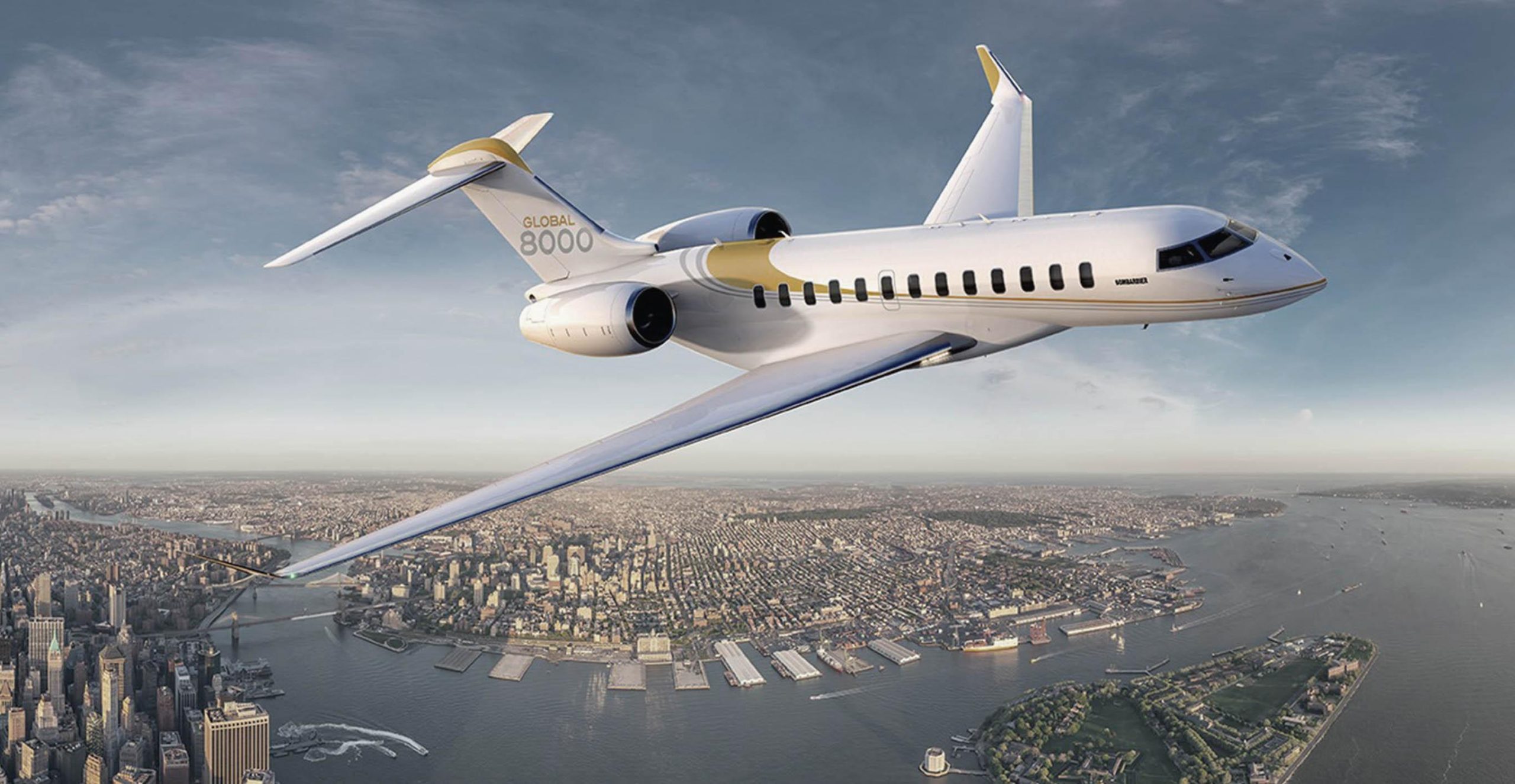
Private jet travel has long been associated with luxury, convenience, and exclusivity. Whether flying to a business meeting, a weekend getaway, or a vacation destination, private jets offer an unmatched level of comfort and speed. However, with growing awareness of climate change and environmental degradation, private jets are facing increasing scrutiny for their environmental impact. The aviation sector is one of the largest contributors to global greenhouse gas emissions, and private jets, in particular, have garnered attention due to their high carbon footprint per passenger. This has led many to question: can private jets be environmentally friendly?
The answer is complex, as the traditional methods of private jet travel have significant environmental drawbacks. However, the aviation industry is actively working toward sustainable solutions to reduce emissions and make private jets more eco-friendly. From the development of sustainable aviation fuel (SAF) to the emergence of electric aircraft, the future of private jet travel is evolving to meet the demands of a more environmentally conscious world. In this article, we will explore the feasibility of environmentally friendly private jet travel, the challenges involved, and the innovations that could help reduce the carbon footprint of private aviation.
Understanding the Environmental Impact of Private Jets
Before diving into the solutions, it’s important to understand why private jets are often criticized for their environmental impact. Private jets are typically smaller aircraft with fewer passengers, which means that the carbon emissions per passenger are significantly higher than those of commercial flights. While a commercial airplane can carry hundreds of passengers, a private jet may only carry a few, resulting in a higher per capita emission of greenhouse gases.
In addition, private jets are often used for short-haul flights, which are particularly inefficient in terms of fuel consumption. Short flights require more energy for takeoff and climb, and this can result in increased emissions. The short distance between airports also means that private jets may not take the most efficient routes, further contributing to their environmental impact.
Empty leg flights, where a private jet must fly without passengers to reposition or return to its base, are another significant source of wasted fuel and emissions. These flights, often referred to as “deadhead flights,” contribute to the overall carbon footprint of private jet travel. With these environmental concerns in mind, it’s clear that the private jet industry faces significant challenges in its efforts to become more eco-friendly.
Innovations in Sustainable Aviation Fuel (SAF)
One of the most promising solutions to reduce the environmental impact of private jets is the adoption of sustainable aviation fuel (SAF). SAF is produced from renewable sources such as agricultural waste, algae, and plant oils. Unlike traditional jet fuel, which is derived from fossil fuels, SAF is made from materials that can be replenished over time, offering a more sustainable alternative.
SAF has the potential to reduce carbon emissions by up to 80% compared to conventional jet fuel. It can be used in existing aircraft engines without the need for modifications, making it a practical solution for private jet operators looking to lower their carbon footprints. While SAF is still relatively expensive to produce, it is becoming increasingly available at select airports, and its cost is expected to decrease as production scales up.
Several private jet companies, including NetJets and JetSuite, have already committed to using SAF in their fleets. These companies are working closely with fuel producers and airports to ensure a steady supply of SAF for their aircraft. As the demand for SAF grows and more airports invest in the infrastructure to support it, the availability and affordability of SAF will improve, making it a more accessible option for private jet operators and owners.
The Rise of Electric Aircraft
Electric aircraft represent another potential game-changer in the pursuit of environmentally friendly private jet travel. Unlike conventional jets that rely on fossil fuels, electric aircraft are powered by batteries and produce zero emissions during flight. While electric aircraft are still in the early stages of development, they have the potential to revolutionize the private jet industry.
The primary advantage of electric aircraft is that they can operate without burning any fossil fuels. As a result, they can significantly reduce the carbon emissions associated with private aviation. However, there are several challenges to the widespread adoption of electric aircraft, particularly when it comes to battery technology. Current battery technology is not yet advanced enough to support long-haul flights, which limits the range of electric aircraft. Most electric planes are designed for short-haul trips, making them ideal for regional flights and small aircraft markets.
Several companies are actively working on developing electric aircraft, including Pipistrel, Bye Aerospace, and Vertical Aerospace. These companies are designing electric planes with the goal of making them commercially viable for private jet owners and operators. In particular, smaller electric aircraft designed for short regional flights could become a popular option for environmentally conscious travelers in the near future.
Electric aircraft are also expected to have lower operating costs compared to traditional private jets. Electric engines are more efficient than gas-powered engines, and the cost of electricity is generally lower than the cost of aviation fuel. As battery technology continues to improve, electric aircraft could become an increasingly viable option for private jet travel, offering a sustainable and cost-effective alternative to traditional jets.
Hybrid Aircraft: A Step Toward Sustainability
Hybrid aircraft, which combine traditional jet engines with electric propulsion systems, represent another promising solution for reducing the environmental impact of private jet travel. Hybrid aircraft are designed to use electric power during the takeoff and climb phases of flight, where fuel consumption is highest. Once the aircraft reaches cruising altitude, the traditional jet engines take over.
Hybrid aircraft can significantly reduce fuel consumption and emissions during the most energy-intensive parts of the flight. This approach not only helps to lower the overall carbon footprint of private jet travel but also improves fuel efficiency. Hybrid aircraft are expected to play a key role in the transition to more sustainable private aviation, as they combine the benefits of electric propulsion with the reliability and performance of conventional jet engines.
Several companies are developing hybrid aircraft for the private jet market, including Boeing and Airbus. These hybrid designs are still in the prototype stage, but they have the potential to be a game-changer for private jet operators looking to reduce their environmental impact while maintaining the performance and range of traditional jets.
Lightweight Materials and Fuel-Efficient Design
In addition to innovations in propulsion and fuel, private jet manufacturers are increasingly using lightweight materials and advanced design techniques to improve fuel efficiency and reduce emissions. The use of materials such as carbon fiber, titanium, and composite materials allows for the construction of lighter aircraft that consume less fuel and emit fewer greenhouse gases.
Lighter aircraft require less energy to maintain flight, which results in lower fuel consumption and emissions. By reducing the overall weight of the aircraft, manufacturers can improve the efficiency of the engines and reduce the amount of fuel needed for flight. In addition to the use of lightweight materials, private jet manufacturers are also employing more aerodynamically efficient designs to reduce drag and improve fuel efficiency.
These design advancements are particularly important for private jets, as small changes in weight and aerodynamics can lead to significant improvements in fuel efficiency. As private jet manufacturers continue to push the boundaries of aircraft design, we can expect to see more fuel-efficient and environmentally friendly jets in the coming years.
Carbon Offsetting Programs
While technological advancements in sustainable aviation fuel and electric aircraft offer promising solutions for reducing the carbon footprint of private jets, some private jet operators are also investing in carbon offset programs. Carbon offsetting involves compensating for carbon emissions by investing in projects that reduce or remove an equivalent amount of carbon from the atmosphere.
Carbon offset projects can include reforestation initiatives, renewable energy projects, and methane capture programs. By purchasing carbon offsets, private jet owners and passengers can effectively neutralize the environmental impact of their flights. Many private jet companies, including NetJets, VistaJet, and Air Charter Service, offer carbon offset programs to their customers. These programs allow passengers to calculate the carbon emissions of their flights and purchase the corresponding amount of offsets.
While carbon offsetting is not a perfect solution, it provides an opportunity for private jet operators and passengers to take responsibility for their emissions and contribute to environmental sustainability. As the demand for sustainable travel grows, more private jet companies are likely to offer carbon offset programs as part of their commitment to reducing the environmental impact of private aviation.
Reducing Empty Leg Flights
Empty leg flights are a significant source of wasted fuel and emissions in the private jet industry. These flights occur when an aircraft must fly without passengers to reposition or return to its base. Empty leg flights contribute to unnecessary fuel consumption and carbon emissions, and they are a common issue for private jet operators.
One way to mitigate the environmental impact of empty leg flights is by offering discounted rates for these flights. Many private jet companies, such as Victor and JetSmarter, allow customers to book empty leg flights at a reduced price. This not only helps private jet operators fill empty seats but also reduces the environmental impact of these otherwise wasteful flights. By booking empty leg flights, passengers can help make private jet travel more sustainable while also saving money on their flights.
The Future of Environmentally Friendly Private Jet Travel
While the private jet industry still faces significant challenges in terms of sustainability, there is a clear trend toward eco-friendly innovation. From the development of sustainable aviation fuel to the rise of electric and hybrid aircraft, private jets are evolving to meet the demands of environmentally conscious travelers. As technology continues to advance and more sustainable practices are adopted, the carbon footprint of private aviation will continue to decrease.
The future of environmentally friendly private jet travel is bright, but it will require collaboration between private jet operators, manufacturers, and passengers. By embracing sustainable practices, investing in green technologies, and supporting carbon offset programs, the private jet industry can become a more eco-friendly sector that aligns with the growing demand for sustainable travel.
In conclusion, while private jets have historically been associated with high carbon emissions, the industry is making significant strides toward reducing its environmental impact. With innovations in sustainable aviation fuel, electric and hybrid aircraft, lightweight materials, and carbon offset programs, private jets have the potential to become much more environmentally friendly in the coming years. As these technologies continue to evolve and become more widely adopted, the question of
whether private jets can be environmentally friendly will no longer be a matter of speculation, it will be a reality.