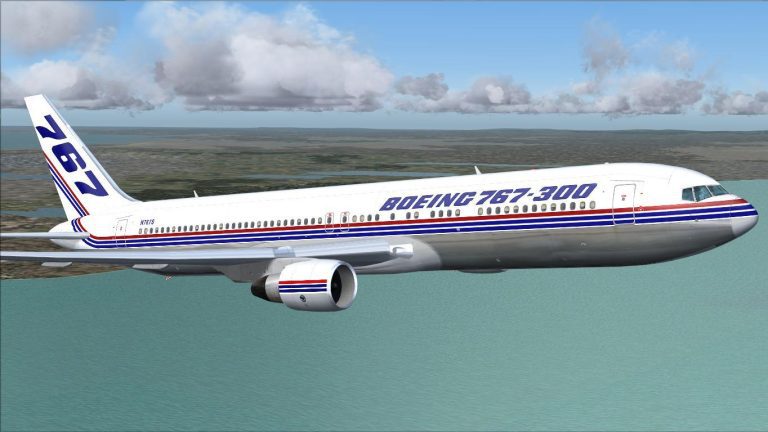
private jet technology privatejetia 3
Owning a private jet offers a world of convenience, luxury, and prestige. However, it also comes with intricate tax obligations that require careful planning and execution, especially when the jet is used internationally. Navigating private jet tax compliance is a complex task, involving both national regulations and cross-border considerations. For global jet owners, tax compliance isn’t just about adhering to local laws; it requires a creative, strategic approach to minimize liabilities, optimize ownership structures, and ensure smooth operations in multiple jurisdictions.
This guide explores creative approaches to private jet tax compliance, offering legal insights and strategies for global jet owners. From selecting the right ownership structure to optimizing tax deductions, we’ll dive deep into the legal tools and techniques that help mitigate tax risks and create a comprehensive compliance strategy that aligns with international regulations.
Understanding the Complexities of Private Jet Tax Compliance
Private jet ownership is subject to a wide range of tax considerations that vary depending on several factors, including the jurisdiction of ownership, the use of the jet (personal or business), and the location of operations. Global jet owners often face additional challenges related to cross-border tax obligations, sales taxes, value-added tax (VAT), and customs duties.
Key aspects of private jet tax compliance include:
- Aircraft registration and tax implications in various jurisdictions
- Income tax obligations on jet-related revenue
- Sales tax and use tax considerations on aircraft purchase or leasing
- Depreciation rules for tax deductions
- Environmental taxes or carbon-related levies, especially in certain regions
- Cross-border tax issues related to the movement of aircraft between multiple countries
- Operating costs and the proper classification of personal versus business use
For global owners, the complexities are compounded by the need to navigate international treaties, multiple tax jurisdictions, and the ever-evolving nature of global tax laws. The key to success lies in creative tax structuring and legal compliance strategies that optimize ownership while minimizing tax exposure.
1. Choosing the Right Ownership Structure for Global Compliance
One of the first steps in tax compliance is determining the best ownership structure for the private jet. The choice of ownership structure directly impacts how the jet is taxed, both domestically and internationally. Several strategies can be employed to ensure tax efficiency and legal compliance, each with its own set of benefits and considerations.
a. Individual Ownership
For those who primarily use their private jet for personal travel, individual ownership might be the simplest option. However, it comes with its own set of tax challenges, particularly if the aircraft is used for business purposes or operated in multiple jurisdictions.
- Tax Considerations: In individual ownership, the jet may be subject to personal income taxes, and any revenue derived from commercial activities may be taxed at the owner’s personal tax rate.
- Creative Strategy: To reduce personal tax burdens, jet owners can structure their aircraft usage to qualify for tax deductions related to business use, such as charter services or corporate travel. Additionally, ownership in tax-efficient jurisdictions can reduce certain sales taxes and VAT obligations.
b. Corporate Ownership
For business owners who use the jet for corporate purposes, registering the jet under a corporate entity (such as an LLC or S Corporation) is often a more tax-efficient structure. This approach can offer the benefit of business-related tax deductions, such as operational costs, depreciation, and fuel expenses.
- Tax Considerations: A corporate structure allows for the deduction of various aircraft-related expenses, including maintenance, crew salaries, insurance, and more. However, owners may face higher corporate tax rates and additional reporting requirements.
- Creative Strategy: Corporate ownership can be paired with cross-border tax planning, allowing owners to register the aircraft in jurisdictions with favorable tax treaties and lower corporate tax rates. Furthermore, structuring the aircraft as part of a tax-efficient group can help manage global tax liabilities.
c. Offshore Ownership
An increasingly popular strategy for global jet owners is establishing an offshore holding company to own the aircraft. Offshore jurisdictions like the Cayman Islands, Isle of Man, and Guernsey offer tax incentives that can significantly reduce the tax burden associated with private jet ownership.
- Tax Considerations: Offshore ownership provides access to sales tax exemptions, lower corporate tax rates, and greater privacy. The tax-free importation of the jet into these jurisdictions can lead to significant savings, especially when combined with an international registration.
- Creative Strategy: By structuring ownership through offshore entities, owners can also reduce their exposure to inheritance tax and estate taxes. Additionally, cross-border treaties can be utilized to minimize double taxation when the aircraft operates in multiple jurisdictions.
d. Trusts for Asset Protection
For owners seeking asset protection and estate planning benefits, placing the private jet into a trust is another viable option. A trust provides a means to transfer ownership of the aircraft to beneficiaries while retaining control of the asset.
- Tax Considerations: Trust ownership can provide estate tax benefits, but it may also introduce additional reporting requirements and administrative costs.
- Creative Strategy: For family offices or high-net-worth individuals, the use of a revocable trust can help preserve family wealth while offering asset protection from creditors. The tax structure of the trust can be tailored to take advantage of international tax treaties, ensuring that the owner’s assets are protected from excessive taxation.
2. Optimizing Depreciation for Tax Efficiency
Depreciation is a powerful tool for reducing tax liabilities on private jets. Under the right circumstances, jet owners can accelerate depreciation and claim substantial tax deductions in the early years of ownership.
a. Accelerated Depreciation Methods
For jet owners who use their aircraft primarily for business purposes, utilizing accelerated depreciation methods allows for a larger portion of the jet’s value to be written off in the first few years of ownership. This helps to offset operating costs and reduce taxable income.
- Creative Strategy: Owners can utilize bonus depreciation (in countries like the U.S.) or Section 179 deductions to immediately write off a significant portion of the jet’s purchase cost. This can help reduce the overall tax burden in the year of purchase.
b. Complying with International Depreciation Rules
While the tax benefits of depreciation are significant, international tax rules often differ from one jurisdiction to another. This creates potential risks when the aircraft is used across borders.
- Creative Strategy: By working with international tax advisors, jet owners can ensure compliance with cross-border depreciation rules and maximize the allowable deductions in each jurisdiction. This includes claiming deductions for operational costs, repairs, and maintenance, all of which can contribute to overall tax optimization.
3. Navigating Sales Tax and VAT Exemptions
Sales tax and VAT can significantly increase the cost of acquiring and operating a private jet. However, creative structuring can help owners take advantage of tax exemptions or reduced rates in various jurisdictions.
a. Purchasing in Tax-Friendly Jurisdictions
Some countries and jurisdictions provide sales tax exemptions or VAT relief for aircraft purchased or leased for business purposes. Jurisdictions like the Isle of Man, Cayman Islands, and Bahamas offer favorable tax regimes for private jet owners.
- Creative Strategy: By purchasing or leasing a jet in a tax-efficient jurisdiction and then registering it in a jurisdiction that has a double tax treaty with the owner’s home country, owners can reduce or eliminate VAT and sales tax obligations.
b. VAT Refunds on Business Use
In the European Union, private jet owners may be eligible for VAT refunds if the jet is used exclusively for business travel. This is especially beneficial for owners who operate their jets primarily for international business trips.
- Creative Strategy: Owners can structure flight logs and usage records to demonstrate that the jet is used for business purposes, qualifying for VAT refunds or exemptions. Keeping meticulous records is key to successfully claiming these refunds.
4. Cross-Border Tax Compliance for International Operations
For global jet owners, cross-border tax compliance is one of the most complex aspects of private jet ownership. Each country has its own tax laws regarding aircraft use, and international flights often trigger customs duties, import taxes, and income taxes.
a. Aircraft Registration and Cross-Border Operations
Registering an aircraft in one jurisdiction and operating it in others can lead to multiple tax obligations. It is critical to understand local tax treaties and how international operations may trigger tax liabilities in both the country of registration and the country of operation.
- Creative Strategy: Owners can structure their operations to ensure that their aircraft is registered in a tax-favorable jurisdiction while also complying with the tax laws of any country they fly to. This might involve the use of international trusts or leasing arrangements that minimize tax exposure in each jurisdiction.
b. Tax Treaties and Avoiding Double Taxation
International tax treaties play a crucial role in avoiding double taxation when operating a private jet across borders. These treaties outline which country has the right to tax the income derived from aircraft use and how tax obligations are shared between jurisdictions.
- Creative Strategy: Jet owners can leverage tax treaties to ensure they are not taxed twice on the same income, such as income earned from charter flights or business-related air travel. By structuring the ownership through entities in jurisdictions with favorable treaties, owners can minimize their overall tax burden.
Conclusion: Achieving Tax Compliance and Optimization for Global Jet Owners
Private jet tax compliance can be a daunting challenge for global owners, but with the right creative legal strategies, it is possible to navigate the complexities of tax laws and minimize liabilities. From selecting the best ownership structure to optimizing depreciation, leveraging sales tax exemptions, and complying with cross-border regulations, the key is to work with experienced aviation tax advisors who can craft a comprehensive compliance strategy tailored to your specific needs.
By staying proactive and utilizing tax-efficient structures, global jet owners can maximize the benefits of private jet ownership while maintaining full legal compliance with international regulations. Through careful planning, ownership structuring, and operational strategies, jet owners can enjoy the perks of private aviation without the burden of excessive taxation.