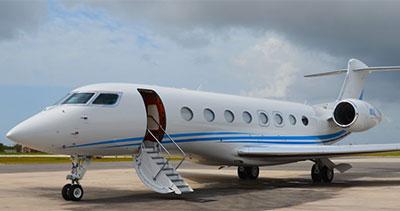
The world of private jet travel has always been synonymous with luxury, comfort, and exclusivity. From personalized amenities to customized in-flight services, every aspect of private aviation aims to deliver a superior experience. However, as technology continues to advance, one of the most exciting innovations on the horizon is the introduction of holographic windows. These high-tech windows will not only redefine the way passengers perceive the world outside but also elevate the overall flight experience to new levels of luxury. In this article, we will explore the future of holographic windows in private jets, their potential benefits, and how they could revolutionize the in-flight experience for passengers.
What Are Holographic Windows?
Holographic windows represent the next generation of smart glass technology. Unlike traditional airplane windows, holographic windows use projection-based technology to display interactive, three-dimensional visuals. These windows create an immersive environment by allowing passengers to enjoy panoramic views that are enhanced by digital elements.
At its core, holographic technology uses light manipulation and 3D imaging to generate lifelike visuals that appear to float in space. This allows for dynamic, ever-changing views that go beyond what the traditional window can offer. While holographic windows have already found applications in various industries, their integration into private jets is set to completely transform how passengers experience air travel.
Immersive Views and Virtual Reality Experiences
One of the key advantages of holographic windows is the ability to create immersive views. Passengers in private jets typically enjoy expansive views of the sky and the ground below, but with holographic windows, these views will take on a new dimension. The windows can project a 360-degree panoramic view of the landscape, allowing passengers to feel as if they are flying in the midst of breathtaking scenery, even if the jet is cruising at 40,000 feet.
Moreover, holographic windows can offer virtual reality experiences that transport passengers to stunning locations around the world. Imagine sitting in a private jet while the window displays the view of the Grand Canyon, the Aurora Borealis, or a serene beach at sunset. These virtual environments can be customized to match the passenger’s preferences, creating a truly personalized and unforgettable experience.
Additionally, holographic windows could integrate real-time weather data and flight path information, allowing passengers to view live updates on their journey. The system could overlay details about their current location, the flight route, and interesting facts about the places they are flying over, providing both entertainment and education throughout the flight.
Privacy and Customization
Another major benefit of holographic windows in private jets is the enhanced privacy they offer. Traditional windows often come with blinds or shades to block out light and ensure passenger confidentiality, but these solutions can be inconvenient and may not provide the level of privacy desired.
With holographic windows, passengers can easily switch between a fully transparent view of the outside world and a completely private setting. By using digital privacy settings, the windows can be adjusted to display personalized content or even simulate complete privacy by rendering the outside world opaque. This could be particularly useful for high-profile individuals who require additional discretion during their flights.
In addition to privacy, the customization options for holographic windows are limitless. Passengers can choose to have the windows display tranquil nature scenes, vibrant cityscapes, or abstract patterns, depending on their mood or the nature of the journey. The ability to personalize the views in real-time offers a unique form of self-expression and comfort that traditional windows simply cannot provide.
Energy Efficiency and Environmental Benefits
One of the primary concerns for the aviation industry is its environmental impact. The development of holographic windows in private jets could help mitigate some of these concerns by offering energy-efficient solutions. Traditional windows can allow significant amounts of sunlight to enter the cabin, which can cause temperature fluctuations and require increased air conditioning or heating during the flight. This not only affects passenger comfort but also increases energy consumption.
Holographic windows, however, can be designed to regulate the amount of light entering the cabin. By adjusting the transparency or opacity of the window, the interior temperature can be controlled more effectively, reducing the need for excessive air conditioning or heating. This could result in significant energy savings and a more sustainable travel experience.
Furthermore, the use of smart glass technology in holographic windows can reduce the weight of traditional window systems, contributing to overall fuel efficiency. By incorporating these windows into private jets, manufacturers can reduce the overall weight of the aircraft, which in turn reduces fuel consumption and carbon emissions.
Enhanced In-Flight Entertainment and Relaxation
The integration of holographic windows into private jets also opens up new possibilities for in-flight entertainment and relaxation. Traditional entertainment options, such as movies or music, are typically offered through personal screens or shared cabin displays. While these options can be enjoyable, they do not provide the same level of immersion and engagement that holographic windows can.
With holographic technology, passengers could experience interactive entertainment that blurs the line between reality and fantasy. Whether it’s watching a movie with virtual landscapes, playing a game that integrates with the flight’s environment, or meditating in a virtual garden, the possibilities for entertainment are endless. Holographic windows could also be used for relaxation purposes, offering calming visuals like sunsets, ocean waves, or rolling hills, allowing passengers to unwind and de-stress during the flight.
Additionally, these windows could be synchronized with personalized lighting systems, adjusting the brightness and color of the environment to complement the visual experience. For example, during a sunset view, the cabin lighting could gradually shift to warmer tones, creating a seamless atmosphere of tranquility.
Future Integration with Other Technologies
As the technology behind holographic windows continues to advance, we can expect even more sophisticated integrations with other emerging technologies in private jets. One exciting possibility is the fusion of augmented reality (AR) and holographic windows. This could allow passengers to interact with the window’s digital content in real time, providing a fully immersive experience that blends the physical world with virtual elements.
For example, a passenger could be flying over a major city, and the holographic window could overlay live historical information about landmarks or provide interactive navigation tools. By simply looking at the window, passengers could receive real-time data about their surroundings, making the flight more engaging and informative.
Moreover, AI-powered systems could further enhance the experience by adjusting the holographic content based on the passenger’s mood, preferences, or even the time of day. Whether it’s creating a calming environment for a relaxing flight or offering exciting, immersive views for a business trip, AI could ensure that the holographic window experience is always customized to the individual.
Conclusion
Holographic windows in private jets are set to revolutionize the way passengers experience air travel. By offering immersive views, personalized content, and enhanced privacy, these windows will elevate the flight experience to new heights. The integration of holographic technology with other cutting-edge systems, such as AI and augmented reality, will create truly personalized, interactive environments for passengers. Additionally, the energy efficiency and environmental benefits of holographic windows make them a sustainable option for the future of aviation. As this technology continues to evolve, we can expect private jet travel to become even more luxurious, engaging, and futuristic, offering passengers an a very uniqueed level of comfort and excitement.