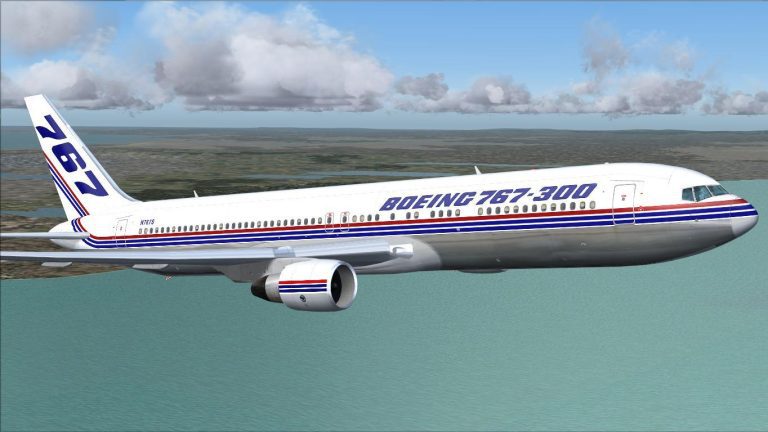
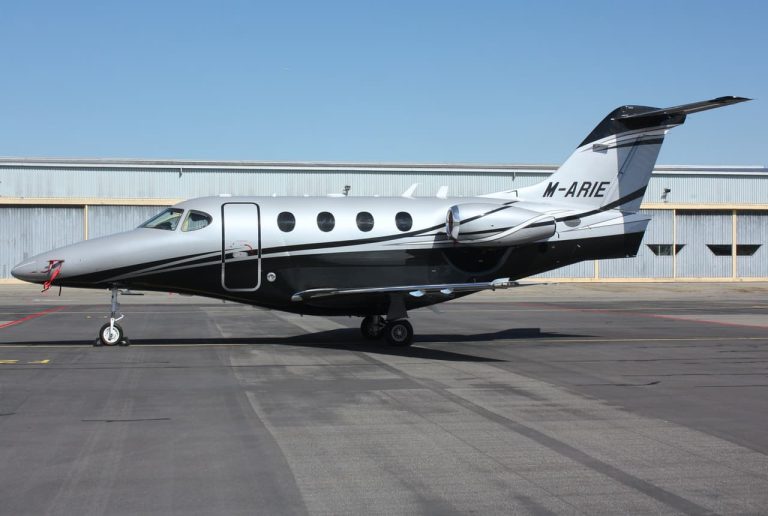
Private Jet PrivateJetia 034
Investing in a private jet is often seen as an elite business decision, providing unmatched convenience, flexibility, and efficiency for high-net-worth individuals, executives, and business owners. However, owning and operating a private jet also brings with it a complex array of tax implications. From hefty sales taxes at the point of purchase to ongoing operational taxes, depreciation rules, and cross-border compliance, the tax landscape surrounding private jet ownership can be daunting.
For savvy investors, tax reduction strategies are essential for turning a significant expense into a more financially manageable asset. This comprehensive legal blueprint will explore innovative, creative approaches that investors can use to reduce their private jet tax liabilities, while remaining fully compliant with both local and international regulations.
By understanding and utilizing creative legal structures, proper documentation, and cutting-edge tax strategies, private jet investors can minimize their tax burdens, maximize financial efficiency, and ensure compliance with ever-changing tax laws. This guide will break down the most effective approaches for reducing tax liabilities associated with private jet ownership, offering actionable insights for investors looking to maximize their return on investment (ROI).
1. The Tax Landscape of Private Jet Ownership
Before diving into creative strategies for tax reduction, it’s essential to understand the core tax issues that investors face when purchasing and operating a private jet. The tax landscape can vary significantly depending on the jurisdiction and the specific use of the aircraft. The main tax concerns include:
Sales Tax: When purchasing a private jet, investors are generally subject to sales tax or use tax, which can range from several hundred thousand dollars to millions of dollars, depending on the value of the aircraft.
Property Tax: Some states or jurisdictions impose annual property taxes on aircraft, based on their value or weight. This tax can add up quickly for private jet owners, particularly in states with high tax rates.
Fuel Taxes: Aviation fuel is typically subject to taxes, which are paid whenever the aircraft is fueled.
Depreciation: Private jets can be depreciated over time, but the rules governing depreciation are complex. Improperly claiming depreciation can lead to audits or penalties.
International Taxes: Cross-border travel with a private jet can trigger taxes like Value-Added Tax (VAT), import duties, and taxes on international flights, depending on the countries in which the aircraft is registered and operated.
The goal of reducing tax liabilities is not just about minimizing tax obligations but ensuring that investors maximize the financial benefits of their private jet investments, all while staying within the bounds of the law.
2. Structuring Ownership to Maximize Tax Efficiency
The way a private jet is owned can have a profound impact on the tax efficiency of the investment. There are several creative legal structures available to jet owners and investors that can help reduce both initial and ongoing tax liabilities. One of the most common strategies is to use business entities to own the aircraft, as this can lead to significant tax advantages.
A. Use of Corporate Structures
Owning a private jet through a corporate entity can help investors qualify for valuable business-use exemptions, reduce sales tax liabilities, and open the door for depreciation benefits. By structuring ownership through a corporation, limited liability company (LLC), or another type of legal entity, jet owners can maximize tax breaks while protecting their personal assets.
Creative Legal Strategy:
Establish a Business Entity: Investors can set up an LLC or corporation that will own the private jet. This structure makes it easier to demonstrate that the jet is used for legitimate business purposes, which could potentially qualify the owner for sales tax exemptions, business-use tax deductions, and other financial advantages.
Leverage the Aircraft for Business: To maximize the tax benefits, the aircraft must be used for business purposes. Jet owners should ensure that flights are documented and primarily related to business activities, such as client meetings, company travel, and business-related conferences.
B. Offsetting Costs Through Aircraft Leasing
One of the most innovative approaches for reducing tax liabilities is to use aircraft leasing arrangements. In a leaseback arrangement, the aircraft is owned by an entity (often a leasing company) but leased to the jet owner for their personal or business use. This allows the aircraft owner to treat lease payments as deductible business expenses, and the leasing entity can claim depreciation on the aircraft.
Creative Legal Strategy:
Set Up a Leaseback Agreement: Jet owners can sell the aircraft to a leasing company, and then lease it back for their own use. This allows the owner to claim tax deductions on the lease payments, which can significantly reduce taxable income.
Maximize Depreciation Deductions: The leasing company can also take advantage of depreciation on the aircraft, further reducing its taxable income. Structuring this leaseback properly can provide dual tax benefits for both the lessor and the lessee.
3. Depreciation Strategies for Tax Reduction
Depreciation is one of the most powerful tools for reducing the overall tax burden of a private jet investment. However, depreciation rules for aircraft can be complex, and owners need to structure their deductions carefully to ensure compliance and maximize tax savings.
A. Section 179 and Bonus Depreciation
Section 179 allows for immediate deductions of up to $1,000,000 on the purchase price of qualifying business assets, including private jets, in the year the asset is placed in service. This can be particularly beneficial for investors purchasing a new or used private jet.
Bonus depreciation allows for additional deductions, enabling owners to write off a large portion of the jet’s value in the first year. Under current tax laws, owners can take a 100% deduction of the jet’s purchase price during the first year of ownership, provided it is used for business purposes.
Creative Legal Strategy:
Maximize Section 179: Investors should ensure that their aircraft qualifies under Section 179 by maintaining detailed records of business use. A significant portion of the purchase price can be deducted immediately, providing substantial tax relief.
Combine Bonus Depreciation with Section 179: By combining bonus depreciation and Section 179, investors can fully depreciate the aircraft in the first year, significantly reducing their tax liability. This combination is especially advantageous for high-cost assets like private jets.
B. Proper Documentation of Business Use
To fully leverage depreciation deductions, investors must document the business use of the aircraft. Tax authorities will scrutinize how much the jet is used for business versus personal purposes, so maintaining clear and accurate records is essential.
Creative Legal Strategy:
Maintain Detailed Flight Logs: Investors should keep comprehensive logs that record the business purpose of each flight, including destinations, passengers, and the nature of the business activity. This helps demonstrate to tax authorities that the aircraft is being used primarily for business purposes, ensuring that maximum depreciation deductions are valid.
Work with Aviation Tax Experts: Partnering with tax professionals who specialize in aviation law can ensure that depreciation is calculated correctly, allowing investors to optimize their deductions without the risk of penalties or audits.
4. Cross-Border Tax Strategies for International Jet Owners
For investors who use their private jet internationally, managing cross-border tax issues becomes even more critical. Cross-border ownership structures, international tax treaties, and compliance with foreign tax laws can all influence the overall tax efficiency of owning and operating a private jet.
A. International Ownership Structures
One common strategy is to register the aircraft in a tax-friendly jurisdiction. Jurisdictions such as the Cayman Islands, Isle of Man, and Malta offer no VAT, low property taxes, and favorable registration fees. These jurisdictions are popular among international private jet owners looking to minimize cross-border tax exposure.
Creative Legal Strategy:
Register the Aircraft in a Low-Tax Jurisdiction: By registering the private jet in a tax-neutral jurisdiction, investors can reduce their exposure to high import duties, VAT, and property taxes that might be levied in other countries. These jurisdictions often offer tax advantages for international business use.
Use an Offshore Trust or LLC: Investors can set up an offshore trust or LLC to hold the aircraft, providing both tax and legal benefits. These structures can shield assets from domestic taxation while still complying with international tax treaties.
B. Navigating VAT and International Sales Taxes
Value-Added Tax (VAT) is a significant concern for private jet owners who travel across Europe and other VAT-imposing regions. However, owners can often avoid or minimize VAT by structuring ownership and operations carefully.
Creative Legal Strategy:
Establish a VAT Exemption Strategy: In many cases, private jet owners can claim VAT exemptions by demonstrating that the aircraft is primarily used for business travel or that it is registered in a jurisdiction with favorable VAT rules. It’s crucial to maintain accurate records of travel routes and business use to qualify for VAT exemptions.
Take Advantage of Tax Treaties: Many countries have signed tax treaties that can help reduce VAT and other taxes related to international flights. By structuring ownership in a way that benefits from these treaties, private jet investors can avoid double taxation and minimize overall tax exposure.
5. Conclusion: Unlocking the Full Tax Reduction Potential of Your Private Jet Investment
The tax liabilities associated with private jet ownership can be significant, but with the right legal strategies and tax planning, these liabilities can be minimized or even eliminated. By leveraging creative legal structures, maximizing depreciation deductions, utilizing leasing arrangements, and considering cross-border ownership strategies, private jet investors can optimize their tax efficiency while still maintaining full compliance with tax regulations.
The key to success lies in proactive tax planning and careful implementation of these strategies, ensuring that each step is well-documented and tailored to the investor’s specific circumstances. Working with aviation tax experts and legal professionals who specialize in private jet ownership can help unlock the full tax reduction potential of this significant asset, ensuring that investors can continue to enjoy the benefits of private aviation without the burden of excessive tax liabilities.