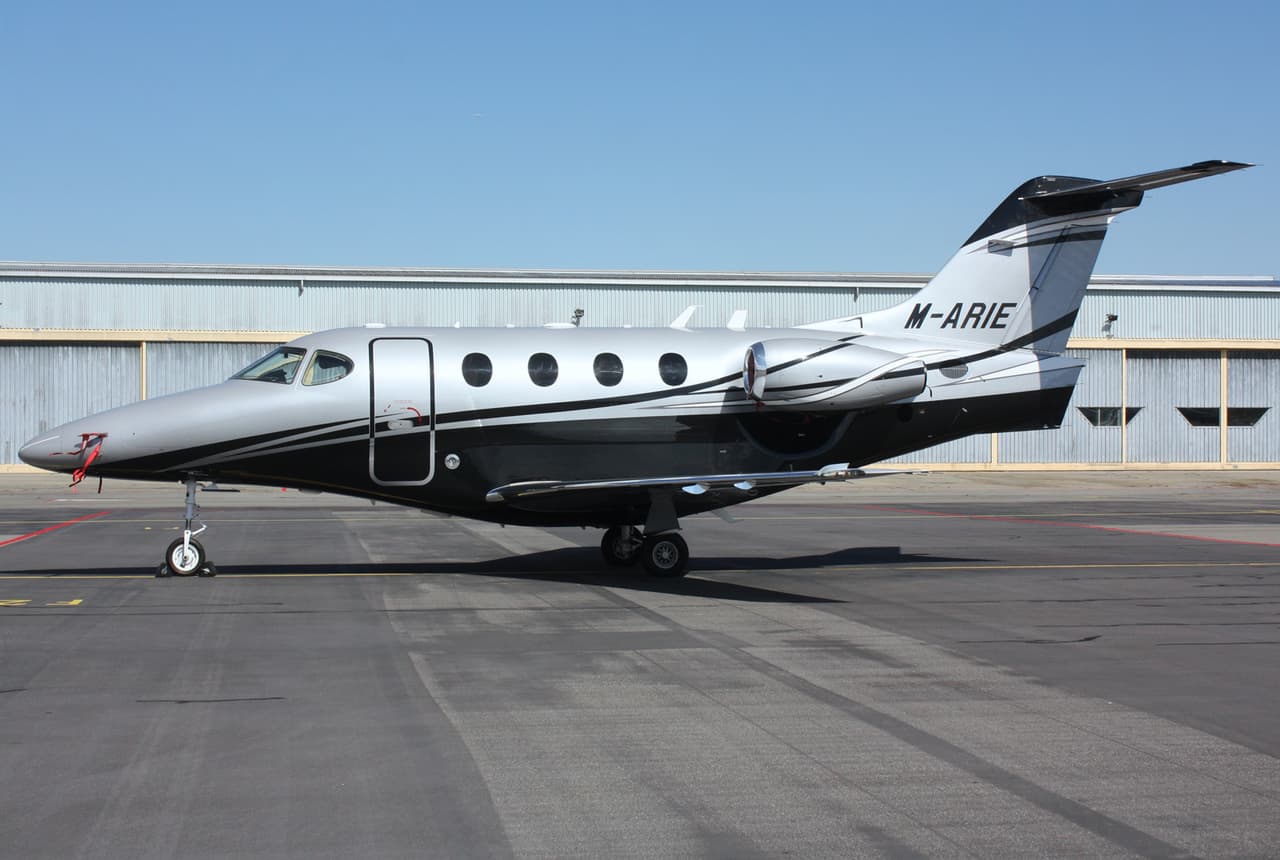
Private jet ownership provides numerous benefits, from flexibility in travel to enhanced business opportunities. However, it also brings a host of financial considerations, especially when it comes to taxes. In a volatile market, these concerns are magnified, with shifting regulations, market conditions, and economic uncertainty creating additional challenges for private jet owners and investors.
Navigating the complexities of private jet tax planning requires a deep understanding of both the legal landscape and the strategic approaches available to mitigate tax liabilities. Whether you are an individual or a business, it is critical to devise a tax strategy that not only reduces exposure to high taxes but also protects your investment in turbulent economic times. This guide explores creative legal approaches to private jet tax planning that can help owners and investors thrive, even in a volatile market.
- Understanding the Impact of Market Volatility on Private Jet Taxes
The market volatility of the past few years has had a profound effect on various sectors, including aviation. Fluctuating asset values, rising fuel prices, and changes in corporate tax policies can make managing the costs of private jet ownership and operation more complicated. As a result, tax planning for private jets must be dynamic, considering both short-term market conditions and long-term strategic goals.
1.1. Depreciation and Asset Value Considerations
In times of market uncertainty, private jet values can fluctuate significantly. As jets are high-value assets, their depreciation schedules can be influenced by both market conditions and government policy changes. When the market is volatile, the depreciation value of a jet can be unpredictable, impacting your tax deductions.
Creative Strategy: One approach is to focus on accelerated depreciation under the U.S. Section 179 deduction, which allows owners to deduct the full purchase price of the aircraft in the first year, depending on the nature of the use. During periods of market volatility, maximizing this immediate deduction can provide a cushion against unpredictable depreciation in future years.
1.2. Adjusting to Changes in Fuel Costs
Fuel is one of the most significant ongoing costs associated with private jet ownership, and fuel prices can fluctuate drastically, particularly in a volatile market. Tax deductions related to fuel costs are often tied to the usage of the jet, and these costs can be significant if not properly managed.
Creative Strategy: During times of fuel price volatility, pre-purchasing fuel or securing long-term fuel contracts at a fixed rate can stabilize operational expenses. Additionally, eco-friendly initiatives such as using sustainable aviation fuel (SAF) may qualify for specific tax incentives, which can reduce your overall fuel tax burden.
- Innovative Ownership Structures to Mitigate Tax Risk
One of the most powerful tools in private jet tax planning is structuring the ownership of the aircraft in a way that maximizes tax benefits while minimizing exposure to liabilities. Ownership structures can significantly affect tax rates, depreciation deductions, and other related costs. In a volatile market, these structures must be flexible and adaptable to shifting conditions.
2.1. Corporate Ownership for Tax Optimization
Owning a private jet through a corporate entity, such as a Limited Liability Company (LLC) or corporation, can provide multiple tax advantages. The aircraft becomes a business asset, and the owner can deduct operating expenses, depreciation, and related costs as business expenses. This structure is especially advantageous if the jet is used primarily for business purposes, as it maximizes tax benefits and reduces personal tax exposure.
Creative Strategy: In a volatile market, leasing the jet to your business at fair market value can generate income for the owner while also providing the business with additional deductions. This arrangement allows for flexibility in income generation and reduces the risk of being financially impacted by market instability.
2.2. Fractional Ownership: Sharing Risks and Costs
If full ownership of a jet is not economically feasible or desirable, fractional ownership allows multiple parties to share the costs and responsibilities of ownership. This structure reduces the upfront investment, while still providing access to the luxury and flexibility of private jet travel. From a tax perspective, fractional ownership allows for shared depreciation and tax deductions based on the owner’s portion of the aircraft.
Creative Strategy: During periods of market uncertainty, fractional ownership offers a cost-sharing mechanism that allows investors to maintain access to a jet without bearing the full financial burden. Additionally, the shared costs of depreciation, maintenance, and operational expenses provide a hedge against market instability.
2.3. Offshore Ownership Structures
For international jet owners, offshore ownership offers a creative solution to reduce taxes and shield assets from volatile domestic markets. Establishing ownership in tax-friendly jurisdictions, such as the Isle of Man or the Cayman Islands, can provide significant tax advantages, including reduced import duties, sales taxes, and lower registration fees. Offshore structures can also protect the aircraft from legal and financial risks associated with volatile markets.
Creative Strategy: During times of market volatility, offshore ownership structures can provide stability and allow the owner to benefit from favorable international tax treaties, which can further minimize tax liabilities and offer protection from potential market fluctuations.
- Navigating International Tax Complexities
Private jet owners who travel internationally face a range of cross-border tax complexities that can add further layers of challenge in an already uncertain market. These complexities can involve everything from VAT (Value-Added Tax) and sales tax to customs duties and aviation-related taxes. It is essential to have a legal structure in place that minimizes exposure to these international taxes while ensuring compliance with local laws.
3.1. Leveraging International Tax Treaties
Many countries have entered into double taxation treaties (DTTs) to avoid taxing the same income twice. For private jet owners, these treaties can provide significant relief when operating in multiple jurisdictions. By understanding and utilizing these treaties, owners can minimize the impact of taxes levied by foreign governments and avoid being double-taxed.
Creative Strategy: If your jet frequently travels across borders, ensure that the ownership structure is designed to take full advantage of any double taxation agreements between countries. This ensures that your jet remains compliant with international laws while reducing the overall tax burden.
3.2. Mitigating VAT and Sales Taxes
One of the most significant tax burdens for private jet owners is VAT, which is applied to the purchase and operation of jets in many countries. In times of market volatility, fluctuating VAT rates can add unpredictability to the cost structure of owning a jet. However, there are ways to mitigate VAT and sales taxes by strategically planning where the jet is purchased and where it is registered.
Creative Strategy: To reduce VAT exposure, consider purchasing the jet in a low-VAT jurisdiction or a country with special aviation tax exemptions. Additionally, ensuring that the jet is registered in a jurisdiction that offers tax breaks for aviation-related activities can help mitigate VAT costs.
- Future-Proofing Your Private Jet Tax Strategy
In a volatile market, forward-thinking strategies are crucial for ensuring long-term tax efficiency. Future-proofing your tax strategy means preparing for potential market fluctuations, regulatory changes, and unexpected tax obligations that may arise in the future.
4.1. Eco-Friendly Tax Incentives
Governments around the world are increasingly offering tax credits and incentives for businesses and individuals who invest in eco-friendly technologies, including sustainable aviation fuels (SAF) and low-emission aircraft. As environmental concerns grow, these incentives are likely to become more valuable in the future.
Creative Strategy: Consider upgrading your jet to utilize green technologies, such as SAF or more fuel-efficient engines. By doing so, you can take advantage of sustainability-focused tax incentives and future-proof your tax strategy in an increasingly eco-conscious market.
4.2. Preparing for Regulatory Changes
The world of aviation taxation is subject to frequent regulatory changes, especially in response to global economic shifts. To prepare for these changes, it is essential to stay updated on new legislation and tax policies that could affect private jet ownership.
Creative Strategy: Work with tax professionals who specialize in aviation taxation to stay ahead of regulatory changes and ensure that your private jet tax strategy remains flexible and compliant with evolving laws.
- Conclusion: Mastering Tax Planning for Private Jet Ownership in a Volatile Market
Navigating the complexities of private jet tax planning in a volatile market requires both creativity and strategic foresight. By employing flexible ownership structures, leveraging international tax treaties, and taking advantage of innovative tax incentives, private jet owners and investors can minimize tax burdens while maximizing the benefits of private jet ownership.
In today’s unpredictable market, a carefully crafted tax strategy can help ensure that your investment in a private jet remains financially efficient, legally compliant, and adaptable to changing market conditions.