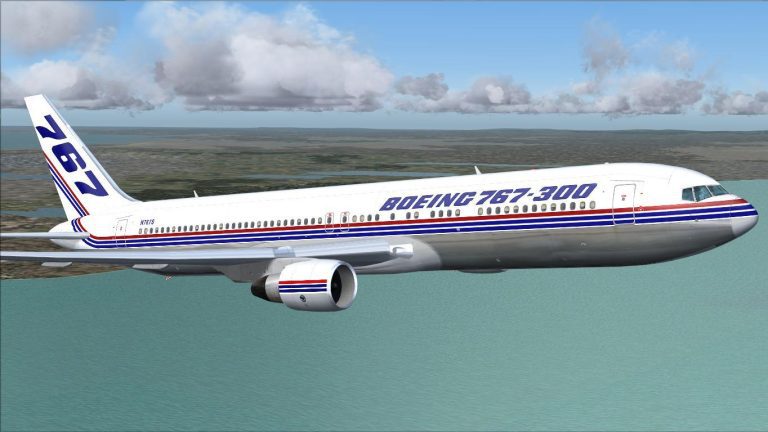
Boeing 757
Owning a private jet is an elite privilege, offering unparalleled flexibility and luxury. However, along with the benefits of private air travel comes a complex world of tax laws and regulations. Private jet tax regulations can be overwhelming for owners, particularly when it comes to understanding how to optimize the financial advantages while ensuring compliance with state, federal, and international tax rules.
This detailed guide will provide you with creative legal insights into private jet tax regulation, outlining strategies and techniques that can help you reduce your tax liability, stay compliant, and optimize the financial benefits of jet ownership. From depreciation and business-use deductions to sales taxes and property taxes, we’ll explore the intricacies of tax law as it relates to private aviation.
- Understanding Private Jet Tax Regulation
Navigating the world of private jet tax regulation begins with understanding the core principles of taxation for aircraft ownership. Several factors influence how taxes are applied to private jets, including the location of ownership, the purpose of the aircraft’s use, and how the aircraft is registered.
- Sales and Use Tax
The sales tax on purchasing a private jet can be substantial, depending on the state or country where the aircraft is acquired. Many states have exemptions for business-use aircraft or aircraft used in interstate travel, but understanding the eligibility requirements for these exemptions is crucial to avoiding overpayment.
Additionally, use tax can apply if the aircraft is used in a state that imposes tax on the aircraft based on where it is used or registered. It’s important to be familiar with the specific regulations in the state of residence and any other states in which the aircraft will operate.
A creative approach to minimizing sales tax involves researching and taking advantage of tax laws in states or countries with lower tax rates or favorable exemptions. States like Delaware, Nevada, and Alaska are popular for jet registrations due to their lower or non-existent sales taxes on aircraft.
- Property Tax
In some states, private jet owners are subject to property taxes based on the value of the aircraft. The tax rate varies depending on the location of the jet, and in some cases, the property tax can be significant.
To mitigate these taxes, many owners use strategies such as choosing tax-friendly jurisdictions to register their aircraft. Another strategy involves maintaining precise records of the aircraft’s primary location or domicile, as some states will only apply property taxes if the aircraft is based there for a certain period.
- Depreciation and Business Deductions
A key tax benefit for private jet owners is the ability to claim depreciation on the aircraft. Aircraft depreciation allows owners to write off the cost of the aircraft over time, reducing their taxable income. The IRS provides two major ways to depreciate an aircraft: Section 179 and bonus depreciation.
Section 179 allows jet owners to deduct the entire cost of the aircraft in the year of purchase, as long as the jet is used more than 50% for business. This is particularly beneficial for business owners who intend to use their jet for corporate travel or to transport employees or clients.
Bonus depreciation allows owners to depreciate the cost of the aircraft by 100% in the first year, making it an attractive option for businesses looking to maximize tax deductions quickly. However, it is important to ensure that the aircraft is being used for legitimate business purposes to qualify for these benefits.
- Fuel Taxes and Excise Taxes
In addition to federal aviation fuel taxes, private jet owners are also subject to state fuel taxes and excise taxes for both commercial and non-commercial operations. These taxes can accumulate quickly, but there are potential exemptions for business-related flights.
Creative strategies for minimizing these taxes include accurately tracking fuel usage and separating business and personal flights. For example, if the aircraft is primarily used for business purposes, the owner may be eligible for fuel tax refunds or exemptions, reducing overall operating costs.
- Creative Legal Approaches to Private Jet Tax Optimization
There are numerous legal techniques that can be employed to optimize tax benefits while staying compliant with private jet regulations. These strategies often involve structuring ownership, maximizing business deductions, and understanding the specific tax rules in various jurisdictions.
- Business Use Deductions
One of the most effective ways to minimize tax liability is to establish that the aircraft is used primarily for business purposes. When a jet is used for business, the owner can claim various business-related tax deductions for the aircraft’s operating costs, including fuel, maintenance, hangar fees, pilot salaries, and insurance premiums.
To maximize these deductions, it’s essential to track business and personal use separately. Keeping detailed flight logs, trip itineraries, and business-related flight records will support your claims in case of an audit. The higher the percentage of business use, the more tax deductions you can claim.
Another creative strategy for maximizing business use deductions is to include business trips in your personal travel. For instance, if you’re already planning to visit a certain location for personal reasons, you can incorporate business meetings into that trip. This not only justifies the business use of the aircraft but also helps in reducing the operating costs that can be written off.
- Optimizing Ownership Structures
The structure under which you own your private jet can have a significant impact on your tax obligations. A well-designed ownership structure can reduce taxes, protect assets, and enhance tax deductions. Let’s explore some of the most common ownership structures that can help optimize your tax strategy:
Corporate Ownership
Owning the jet through a corporation or LLC can provide substantial tax benefits. By using a corporate entity, the aircraft can be treated as a business asset, allowing the owner to deduct operating costs such as fuel, maintenance, and depreciation. This structure also provides liability protection for the individual owner.
Fractional Ownership
Fractional ownership allows multiple parties to share the costs and benefits of owning a jet. Each owner has a share in the aircraft and is responsible for a portion of the operating costs. This can be a more cost-effective way to access private jet travel while still benefiting from tax deductions for your share of the aircraft’s operating costs and depreciation.
Leaseback Arrangements
In a leaseback arrangement, an owner sells the jet to a leasing company and then leases it back for personal or business use. The leasing company may be able to take advantage of depreciation deductions, while the original owner benefits from a cash infusion and can deduct lease payments as a business expense.
Offshore Ownership
Some private jet owners choose to register their aircraft in offshore jurisdictions with favorable tax laws, such as Bermuda, Cayman Islands, or Isle of Man. These regions may offer sales tax exemptions, low registration fees, and more lenient VAT rules. However, this option requires careful consideration of international tax laws and compliance with regulations such as FATCA (Foreign Account Tax Compliance Act).
- Strategic Flight Planning
Strategic flight planning is an often-overlooked aspect of private jet tax optimization. By planning your flights carefully, you can ensure that the aircraft is used primarily for business purposes, which increases the eligibility for business-related deductions.
Documenting Flights
Meticulous documentation of every flight is essential for tax purposes. You must provide a clear record of whether the flight was for business or personal use, the purpose of the trip, and the individuals involved. Accurate flight logs help substantiate your claims if you are ever audited by tax authorities.
Cross-Border Travel Considerations
For international flights, consider the tax implications of flying between jurisdictions with favorable tax treaties. Some countries offer tax exemptions for business-related air travel or have agreements that minimize the risk of double taxation. By carefully planning routes and understanding international tax laws, you can reduce costs associated with fuel and customs duties.
Incorporating Business in Personal Trips
If you have personal trips planned, incorporating business-related activities can help maximize tax deductions. For example, if you’re already flying to a destination for personal reasons, scheduling a business meeting in the same location helps justify the business use of the jet, allowing you to deduct the operating costs.
- Staying Compliant with Private Jet Tax Regulations
While optimizing your tax strategy is important, it’s equally vital to ensure compliance with tax laws and regulations. Maintaining clear records, documenting business use, and adhering to state, federal, and international tax requirements will protect you from potential audits and penalties.
- Recordkeeping
Keeping thorough and organized records is key to ensuring that your tax strategy is defensible. This includes:
Flight Logs: Keep accurate logs of business and personal trips, including the dates, destinations, and purpose of each flight.
Expense Records: Maintain records of all expenses related to the aircraft, such as fuel, maintenance, insurance, and depreciation schedules.
Ownership Documents: Ensure that you have all the necessary documentation for your ownership structure, whether it’s a corporate entity, fractional ownership, or leaseback arrangement.
- Consulting with Aviation Tax Experts
Given the complexity of private jet tax laws, consulting with an aviation tax professional is highly recommended. These experts can guide you through the regulatory landscape, help you design a tax-efficient ownership structure, and ensure that you are compliant with all applicable tax laws.
- Conclusion: Mastering Private Jet Tax Regulation
Navigating the complexities of private jet tax regulations requires a combination of legal expertise, strategic planning, and detailed recordkeeping. By employing creative legal techniques such as maximizing business use deductions, structuring ownership to optimize tax benefits, and strategically planning flights, private jet owners can significantly reduce their tax liability while staying compliant with the law.
Staying informed about tax changes, understanding jurisdictional nuances, and consulting with aviation tax professionals are crucial steps in maintaining a tax-efficient private jet ownership experience. With the right approach, you can enjoy the luxury of private jet ownership while optimizing your financial position.