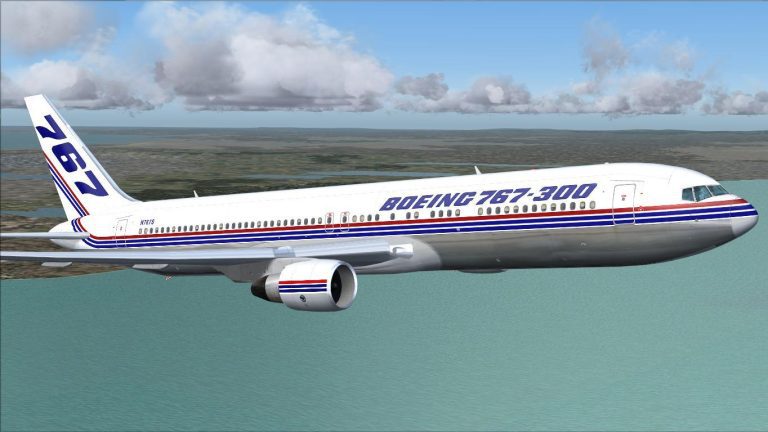
Airbus ACJ
Investing in a private jet comes with an array of benefits, such as unparalleled convenience, privacy, and enhanced business opportunities. However, this luxury comes with complex tax considerations that can create a significant financial burden. Navigating the tax landscape of private jet ownership requires not only understanding the various laws and regulations but also utilizing creative legal solutions to minimize these burdens effectively.
In this article, we will explore several strategic legal approaches that jet owners and investors can implement to manage and reduce their tax liabilities. By leveraging tax-efficient structures, understanding business-related deductions, and using innovative ownership strategies, jet owners can optimize their investments and ensure long-term financial success. Whether you are a first-time buyer or a seasoned investor, this guide will provide valuable insights into creative ways to manage tax burdens in private jet investments.
The Tax Complexity of Private Jet Ownership
Owning a private jet is not just a financial investment—it’s an asset that requires strategic planning and expert legal advice to navigate the tax rules and regulations that apply to it. The tax burden associated with private jet investments stems from various areas, including:
- Sales tax
- Property tax
- Depreciation deductions
- Fuel tax
- Operating expenses
Each of these areas presents potential tax liabilities, and understanding how to manage them is essential to reducing overall tax exposure. In this section, we’ll review the main tax burdens and outline creative ways to address each of them.
- Sales Tax Optimization
When purchasing a private jet, the sales tax burden can be substantial, especially in states with high tax rates. However, there are several strategies that can help minimize the sales tax liability on your jet purchase:
- State Registration and Exemptions: Some states, such as Florida, Texas, and Nevada, offer sales tax exemptions for private jets if they are used primarily for business purposes. By structuring the purchase through an entity based in one of these states, investors may be able to legally avoid or reduce their sales tax obligations.
- Leasing and Fractional Ownership: If the jet is leased to a business or shared with multiple owners, the sales tax burden can sometimes be minimized. Fractional ownership allows investors to reduce their individual tax liabilities by sharing the costs of ownership, including the taxes, with other parties.
- Tax-Exempt Organizations: In certain cases, non-profit organizations or charitable trusts can purchase private jets without incurring sales tax. If the jet is used for charitable purposes, such as transporting medical personnel or patients, it may be exempt from sales tax.
- Maximizing Depreciation Deductions
One of the most powerful legal tools available for managing tax burdens is depreciation. The IRS allows aircraft owners to depreciate their jets over a specific period, reducing the taxable income generated by the jet. By strategically managing depreciation, jet owners can offset a significant portion of their tax liabilities.
- Section 179 Deduction: Under Section 179 of the IRS code, jet owners who purchase new or used aircraft can immediately deduct the cost of the aircraft up to a certain limit (currently $1,160,000 for 2025) in the year of purchase, provided the jet is used at least 50% of the time for business purposes. This deduction can significantly reduce taxable income and offer immediate tax relief.
- Bonus Depreciation: Another valuable strategy is to take advantage of bonus depreciation. This allows owners to deduct 100% of the aircraft’s cost in the first year of ownership, provided the jet is used for business purposes. Bonus depreciation is available for new and used aircraft, making it an attractive option for many investors.
- MACRS Depreciation: For jets used primarily for business, Modified Accelerated Cost Recovery System (MACRS) allows for accelerated depreciation over a 5-year period. The IRS provides clear guidelines on how to apply MACRS, and this depreciation method is often the most beneficial for business owners.
- Fuel Tax Exemptions and Deductions
Fuel taxes are an inevitable cost of owning and operating a private jet, but there are strategies available to help mitigate these expenses. Federal fuel taxes are imposed on aviation fuel, but there are exceptions and ways to minimize the burden:
- Business Use Exemption: If the jet is primarily used for business purposes, many states and the federal government offer fuel tax exemptions or rebates. Business owners who use their jets for meetings, client visits, or employee travel may qualify for exemptions. Keeping meticulous records of business usage is essential to maximize this tax break.
- International Travel: Another creative solution is to take advantage of the international travel exemption. If your jet is used for international flights, certain fuel taxes can be exempted under both U.S. and international law. However, the rules surrounding international flights and fuel tax exemptions can be complex, so consulting a tax professional is recommended.
- Leasing and Fractional Ownership Models
Leasing the aircraft or entering into fractional ownership arrangements can provide substantial tax benefits, especially for jet owners who want to offset operating costs and tax burdens.
- Leasing to a Business: If you operate a business that uses the private jet, you can lease the aircraft to your business and receive rental income. This rental income may be subject to lower taxes than personal income, depending on how the lease is structured. Additionally, the lease payments are often considered deductible business expenses.
- Fractional Ownership: Fractional ownership allows investors to share the costs of a jet, including taxes, with other owners. By purchasing a fraction of a jet, you reduce your individual exposure to taxes while still enjoying the benefits of private air travel. Fractional ownership programs can be particularly beneficial for high-net-worth individuals or businesses with irregular flight needs.
- Leaseback Agreements: Leaseback agreements are another creative solution for managing the tax burden. With a leaseback, you sell the jet to a leasing company and then lease it back for personal use. This strategy may allow you to reduce the initial tax liability while still retaining access to the jet.
- Establishing a Business Entity for Ownership
Creating a business entity to own the private jet can have significant tax advantages, especially for high-net-worth individuals who want to maximize business-related deductions.
- LLCs and Corporations: By owning the jet through an LLC or a corporation, you can potentially take advantage of tax deductions for aircraft maintenance, operations, and management fees. Additionally, LLCs offer flexibility and liability protection, while corporations can provide a more structured approach to ownership and tax planning.
- Tax Benefits for Business Use: If the jet is used for business purposes, the business entity can write off many of the costs associated with the aircraft, including maintenance, depreciation, insurance, and fuel. Ensuring that the jet is primarily used for business rather than personal purposes is critical to maximizing these deductions.
- Navigating State-Specific Tax Laws
State taxes on private jets vary widely, and careful planning is required to minimize the tax burden depending on where the jet is located and used. Each state has its own sales tax, property tax, and fuel tax rules. To effectively manage tax burdens, jet owners should:
- Research State Incentives: Some states, such as Delaware, Nevada, and Wyoming, are known for offering favorable tax policies for jet owners. By registering the jet in one of these states, you may be able to avoid or reduce property taxes and sales taxes.
- Consider the Use of the Jet: The more the jet is used for business (as opposed to personal use), the more likely it is that the owner can qualify for certain state-level tax exemptions. Keeping thorough records of business-related flights can help justify these claims.
- Consult State Tax Experts: Tax laws are constantly changing, and what applies in one state may not be applicable in another. By working with state tax experts, you can ensure that you remain compliant while minimizing your overall tax liability.
Conclusion: Creative Legal Strategies for Private Jet Tax Optimization
Private jet investments offer exceptional value and convenience, but they also come with complex tax challenges. By utilizing creative legal solutions such as strategic depreciation, sales tax optimization, fractional ownership, and leveraging business use deductions, jet owners can effectively manage their tax burdens. Additionally, structuring ownership through an LLC, corporation, or other legal entities can provide further tax savings and liability protection.
By staying informed about the evolving tax landscape and seeking expert advice, private jet investors can maximize the financial benefits of their aircraft while minimizing tax liabilities. Whether you’re just beginning your journey as a jet owner or looking to optimize your existing ownership strategy, implementing these creative legal solutions will help you achieve both tax efficiency and compliance in the long term.