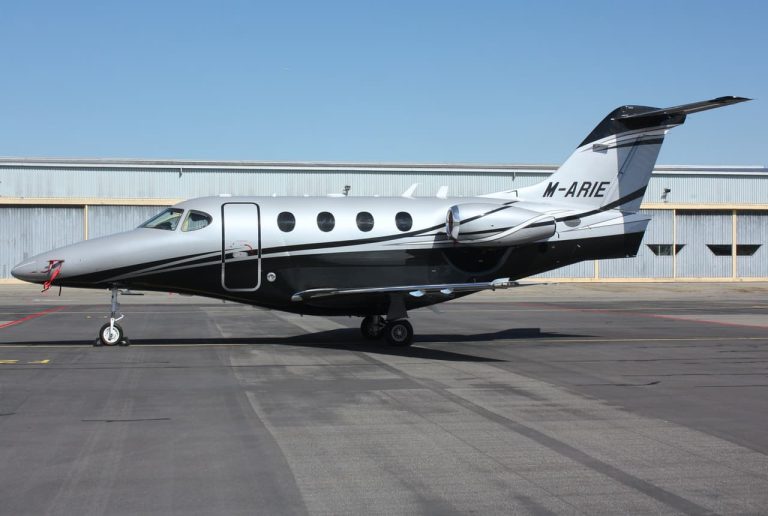
Luxury Travel Private Jet Privatejetia 22
Investing in a private jet can be a game-changer, offering unparalleled convenience, flexibility, and status. However, with this luxury comes a range of financial considerations, especially when it comes to taxes. The tax incentives available to private jet owners can significantly reduce the overall cost of ownership, but navigating these incentives requires a strategic approach.
This guide will explore creative legal strategies for maximizing tax incentives in private jet investments, ensuring that you take full advantage of the available benefits while staying compliant with ever-evolving tax laws. Whether you’re a business owner, entrepreneur, or individual investor, these strategies will help you optimize your tax position and enhance the financial viability of your private jet investment.
1. Understanding the Key Tax Incentives for Private Jet Owners
Before diving into specific strategies, it’s essential to understand the key tax incentives available to private jet owners. These incentives can vary based on factors such as business use, geographical location, and the type of aircraft. Here are the primary tax incentives to consider:
a) Depreciation Deductions
Depreciation is one of the most significant tax incentives available to private jet owners. The IRS allows owners to deduct the depreciation on their aircraft, effectively reducing the overall taxable income.
- Bonus Depreciation: Under the Tax Cuts and Jobs Act (TCJA), private jet owners who purchase a new or used aircraft for business purposes can take advantage of 100% bonus depreciation in the first year. This means you can write off the full purchase price of the jet immediately, providing substantial tax relief in the year of purchase.
- Section 179: In addition to bonus depreciation, Section 179 of the IRS tax code allows business owners to deduct the cost of certain assets, including private jets, in the year they are acquired. This can significantly reduce your tax burden if the jet is used for business purposes.
- Modified Accelerated Cost Recovery System (MACRS): The MACRS system is the standard method for depreciating most business assets, including aircraft. This system allows you to depreciate the jet over a period of 5 years, which can lead to valuable tax savings over time.
b) Business Use Deductions
If you use your private jet for business purposes, you can benefit from a range of business-use deductions. These deductions can cover operational costs such as fuel, maintenance, insurance, and crew salaries, among others.
- Documenting Business Use: To qualify for these deductions, it’s essential to maintain detailed records of your business-related flights. The IRS requires that you prove the jet is used for business purposes, so keeping track of flight logs, meetings, and the people involved is vital.
- Mixed-Use Aircraft: If you use your jet for both personal and business purposes, you’ll need to allocate costs appropriately. The business-use percentage can be deducted, but personal-use expenses will not qualify for tax deductions.
c) Federal Excise Tax (FET) Exemption
The Federal Excise Tax (FET) applies to flights that charge passengers for transportation, typically in commercial flights. However, if you are using your private jet for non-commercial purposes (i.e., personal or business use), you may be exempt from the FET.
- Personal Use: If the jet is used exclusively for personal purposes and not for commercial operations, you can avoid paying the 5% FET.
- Business Use: Similarly, if the jet is used for business purposes and does not generate income from passengers, the FET does not apply.
d) State and Local Tax Exemptions
Certain states offer sales tax exemptions or reductions for aircraft used primarily for business. These tax incentives can reduce the overall cost of purchasing and owning a private jet.
- Business Use Exemptions: In some states, if your private jet is used for business travel, you may be eligible for sales tax exemptions or reductions. These states may allow deductions for aircraft purchases made by businesses for travel, employee transportation, and other business-related purposes.
- State Registration Fees: Some states also offer lower registration fees for jets used primarily for business. This can provide long-term cost savings and reduce the overall expense of owning a private jet.
2. Creative Legal Strategies for Maximizing Tax Incentives
Now that we understand the available tax incentives, let’s explore some creative legal strategies to help you maximize these benefits and reduce your overall tax burden.
a) Utilize a Holding Company or LLC for Ownership
One of the most effective ways to maximize tax incentives is to establish a holding company or Limited Liability Company (LLC) to own your private jet. This strategy offers several advantages for tax efficiency:
- Flexibility in Business Use: An LLC or holding company allows you to allocate the jet’s use between personal and business activities. By maintaining clear records of business use, you can maximize business-use deductions while also enjoying the benefits of ownership.
- Depreciation and Deductions: Owning the jet through a holding company can also provide more flexibility in terms of depreciation deductions. By structuring the purchase through the LLC, you may be able to deduct a larger portion of the aircraft’s purchase price.
- Liability Protection: A holding company provides liability protection, ensuring that your personal assets are shielded from any potential risks associated with the aircraft’s operation.
b) Lease the Aircraft to Your Business
Leasing your private jet to your business or related entity is another powerful tax strategy. This allows you to treat the lease payments as a business expense, which can reduce the overall tax liability for your business.
- Deduct Lease Payments: The business can deduct lease payments as a legitimate business expense, which lowers its taxable income. The LLC or holding company that owns the jet receives lease income, and the business receives a corresponding deduction.
- Flexibility in Usage: This structure provides greater flexibility in how the jet is used. The business can lease the jet for corporate purposes, while you, as the owner, retain control of the aircraft.
- Tax-Advantaged Income: Depending on the ownership structure, leasing can also help separate income streams, enabling you to take advantage of favorable tax treatment in jurisdictions with lower tax rates or more advantageous tax laws.
c) Invest in Sustainable Aviation Technologies
As the world becomes more environmentally conscious, governments are offering increasing tax incentives for green aviation. By investing in sustainable aviation fuels (SAF) or electric aircraft, you can qualify for a range of tax credits and incentives.
- Sustainable Aviation Fuel (SAF): Many governments provide tax credits or rebates for using sustainable aviation fuels. These bio-based fuels help reduce the environmental impact of aviation, and the incentives can help offset the higher costs associated with these eco-friendly alternatives.
- Electric Aircraft and Hybrid Jets: The development of electric and hybrid jets offers another opportunity to capitalize on green aviation Tax credits for purchasing or converting your aircraft to use electric propulsion could significantly reduce upfront costs.
- Carbon Offsetting Programs: Some jurisdictions offer tax benefits for companies and individuals who invest in carbon offset programs, which can help mitigate the environmental impact of jet travel. These programs may provide you with tax credits or deductions for purchasing credits that offset the carbon emissions produced by your aircraft.
d) Explore International Tax Benefits
If you operate your private jet internationally, there may be opportunities to benefit from international tax incentives. Many countries offer tax treaties that can help avoid double taxation on aircraft operations.
- Offshore Ownership: If you operate in multiple countries, you may want to consider structuring the ownership of your jet in a tax-efficient jurisdiction. Countries such as the Cayman Islands, Bahamas, or Isle of Man offer favorable tax treatment for aircraft ownership, which can result in significant savings.
- Leverage International Tax Treaties: Some countries have entered into tax treaties that allow private jet owners to avoid paying taxes in both jurisdictions, reducing the overall tax burden. These treaties often contain provisions for aircraft operations and business use, which could provide additional incentives for international jet owners.
e) Document Business Use Rigorously
To ensure you’re eligible for the maximum business-use deductions, it’s critical to document your jet’s use with great detail. The IRS requires a high level of documentation to justify business-related deductions.
- Maintain a Detailed Flight Log: Keep track of each flight, including the purpose, destination, and individuals involved. If the flight is related to a business meeting or transaction, note this in your records.
- Business-Related Activities: Document the business-related activities that took place during each trip. For example, if you’re meeting with clients or investors, keep a record of the meeting, its purpose, and any business outcomes.
- Separate Personal and Business Use: If you use the jet for both personal and business purposes, clearly separate the two in your records to avoid confusion and ensure that only business-related expenses are deducted.
3. Conclusion
Maximizing tax incentives in private jet investments requires a creative approach and careful planning. By leveraging strategies such as establishing a holding company or LLC, leasing the aircraft to your business, investing in sustainable aviation technologies, and documenting business use, you can significantly reduce your tax burden while ensuring compliance with evolving tax laws.
With careful planning and the right legal structures in place, you can optimize the financial benefits of private jet ownership, making it a more cost-effective investment. Whether you’re seeking immediate tax relief through depreciation or looking to benefit from long-term savings with green aviation incentives, these creative legal strategies will help you maximize your tax incentives and enhance the profitability of your private jet investment.