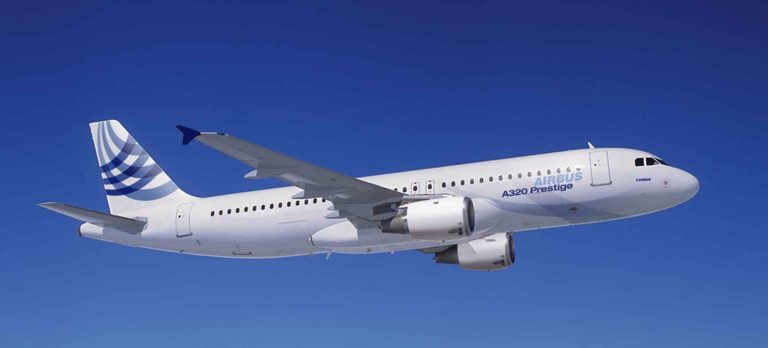
Astra/Gulfstream SPX
Luxury aircraft ownership is an impressive achievement, but it also comes with complex tax challenges and opportunities. While private jets provide unparalleled convenience, comfort, and status, they also come with significant financial considerations. For owners seeking to maximize the financial advantages of their aircraft, understanding and utilizing creative legal strategies for optimizing tax benefits is essential.
This guide outlines innovative legal approaches to ensure that your investment in luxury aircraft remains financially sound. From depreciation tactics to strategic ownership structures and maximizing operational deductions, we’ll explore how to use legal tools effectively to reduce your tax liabilities and optimize the long-term value of your aircraft.
- Depreciation Strategies for Luxury Aircraft
Depreciation is one of the most powerful tools available to luxury jet owners when it comes to reducing taxable income. However, how you approach depreciation can make a significant difference in the tax benefits you receive.
- Maximizing Bonus Depreciation
The Tax Cuts and Jobs Act (TCJA) introduced a game-changing provision: 100% bonus depreciation for new and used aircraft purchased and placed into service for business use. This provision allows you to deduct the full purchase price of the aircraft in the first year of ownership, rather than spreading the deductions over several years.
- Eligibility Requirements: To take full advantage of bonus depreciation, the jet must be used more than 50% for business purposes.
- Strategic Timing: If you’re planning to purchase an aircraft, timing the purchase to place the jet into service before the end of the year can significantly reduce your current-year tax liability.
- Accelerated Depreciation with MACRS
Even if you’re unable to take full advantage of bonus depreciation, the Modified Accelerated Cost Recovery System (MACRS) still offers an accelerated depreciation schedule. Under MACRS, the aircraft can be depreciated over five years, enabling you to deduct a substantial amount each year.
- Business Use Consideration: For both bonus depreciation and MACRS, ensure that your jet is primarily used for business purposes, as personal flights can limit the deductions available.
- Ownership Structures for Tax Efficiency
The way you structure your aircraft ownership can dramatically impact your tax strategy. Creative ownership structures allow you to optimize deductions and limit liabilities, all while maximizing tax savings.
- LLC Ownership Structure
Many luxury jet owners opt for placing their aircraft in a Limited Liability Company (LLC). This structure provides liability protection and enables business owners to take advantage of tax deductions that might not be available under personal ownership.
- Business Deductions: An LLC can claim a wide range of business-related deductions such as depreciation, operating expenses, and interest on loans used for the aircraft purchase.
- Liability Protection: By separating the aircraft from personal assets, an LLC also offers legal protection in case of accidents or legal issues related to the aircraft.
- Trust Ownership for Estate Planning
For high-net-worth individuals, placing a luxury aircraft in a trust can provide substantial estate planning benefits while still offering tax advantages.
- Estate Tax Benefits: Transferring ownership of the aircraft into a trust may help reduce estate taxes, particularly if the aircraft is a significant part of the estate’s value.
- Tax Advantages: Depending on the structure of the trust, the aircraft may still be eligible for business-related deductions.
- Aircraft Ownership through a Business
If the jet is used primarily for business purposes, purchasing it through a corporation or partnership may be advantageous. Corporations can take advantage of deductions, depreciation, and other business tax benefits that individuals cannot access.
- Tax-Deductible Expenses: All operating expenses, including fuel, insurance, and maintenance, can be fully deducted if the aircraft is owned by a business.
- Financial Flexibility: Corporate ownership offers greater financial flexibility and can be combined with various tax planning strategies to minimize overall tax liabilities.
- Maximizing Operational Deductions
Once your aircraft is in operation, there are numerous opportunities to maximize deductions based on the aircraft’s usage. Understanding the full scope of deductions can significantly lower operating costs and reduce taxable income.
- Operational Costs Deduction
Aircraft owners are entitled to deduct a wide range of operational expenses, provided that the jet is used for business purposes. These deductions can add up quickly, especially for owners who use their jets frequently.
- Fuel Costs: One of the most significant operational expenses is fuel. Business jet owners can deduct the cost of fuel used during business-related travel.
- Maintenance and Repairs: Costs for routine maintenance, repairs, and even upgrades can be deducted as long as they are necessary for the operation of the aircraft.
- Personnel Expenses
If your jet is used for business, you can also deduct the salaries and expenses of employees involved in operating or maintaining the aircraft.
- Pilots and Crew: Pilot salaries and related expenses, including training and benefits, can be deducted if the aircraft is used for business purposes.
- Ground Crew: The cost of ground services, including maintenance, fueling, and storage, can be written off as operational expenses.
- Hangar Fees and Storage
Storing your aircraft at an airport or private hangar incurs costs that are deductible when the jet is used for business travel. These storage expenses are a valid operational deduction and should be properly documented for tax purposes.
- Creative Leaseback Arrangements
One innovative way to optimize the financial benefits of owning a luxury jet is through a leaseback arrangement. In this scenario, the owner sells the aircraft to a third party or a leasing company but retains the right to lease the jet for personal or business use.
- Generating Income from Leaseback
- Monetize Unused Time: If your jet is not in constant use, a leaseback arrangement can generate income to offset maintenance, storage, and other operational expenses.
- Tax Benefits: Income generated from leasing the aircraft may offset ownership costs. This income can also be used to fund other tax-advantaged strategies.
- Flexibility and Cost Savings
A leaseback arrangement offers owners flexibility. They can continue to use the aircraft without the full financial burden of ownership, while still reaping tax benefits from deductions and income generated from the lease.
- International Tax Considerations
For luxury aircraft owners who operate their jets internationally, it’s crucial to understand the tax implications across different jurisdictions. International tax strategies can be complex, but creative approaches can minimize global tax liabilities.
- VAT Exemptions
In certain countries, such as those within the European Union, luxury jet purchases are subject to Value Added Tax (VAT). However, exemptions or reductions may apply if the aircraft is used for business or international flights.
- Business Use Exemptions: If the jet is used predominantly for business purposes, you may qualify for VAT exemptions or reductions.
- International Travel Exemptions: Flights outside the jurisdiction may also qualify for VAT exemptions or reductions, providing further tax relief on international operations.
- International Depreciation Rules
Different countries have different rules for the depreciation of luxury aircraft. By taking advantage of favorable depreciation schedules, jet owners can further reduce their global tax obligations.
- Depreciation Strategies: Be sure to consult with an international tax advisor to identify the best countries for registering and depreciating your aircraft based on tax benefits.
Conclusion
Luxury aircraft ownership offers substantial financial benefits, but only for those who know how to navigate the complex web of tax rules and legal strategies. By employing creative legal strategies such as maximizing depreciation, choosing the right ownership structure, optimizing operational deductions, and utilizing international tax strategies, jet owners can reduce their tax liabilities and make the most of their investment.
Consulting with aviation tax professionals and legal advisors is essential to ensure that you’re taking full advantage of the opportunities available to you. With the right strategy in place, your luxury jet can be a financial asset that delivers benefits beyond mere comfort and convenience.