PrivateJetia Private Jet Fly 8
Introduction
When most people think of private jets, they imagine luxury, speed, and exclusivity. However, for passengers with disabilities, the private jet experience can present significant challenges that go beyond the plush interiors and smooth takeoffs. From navigating tight spaces to accessing facilities, people with disabilities often find that private aviation hasn’t always been designed with their needs in mind. Fortunately, the aviation industry is increasingly prioritizing accessibility, ensuring that passengers with disabilities can travel with the same level of comfort and ease as any other flyer.
In this article, we’ll explore how private jets are being designed to accommodate passengers with disabilities. We’ll delve into the innovative technologies, design modifications, and operational changes that have been implemented to improve accessibility in private aviation. Whether it’s for mobility challenges, sensory impairments, or medical conditions, the future of private jets is becoming more inclusive, allowing all passengers to experience the freedom and luxury that private air travel offers.
1. The Importance of Accessibility in Private Jet Travel
Traveling in private jets offers numerous advantages over commercial flights: fewer crowds, greater comfort, and flexibility. However, for passengers with disabilities, these benefits can be overshadowed by logistical and physical barriers. Accessibility in private jet design is not just about adhering to legal requirements; it’s about providing equal access to a premium service for everyone, regardless of their physical abilities.
a. Legal and Ethical Considerations
A growing awareness of the rights of individuals with disabilities has led to increased attention to accessibility in all forms of travel, including private aviation. In many countries, accessibility is mandated by law, requiring all modes of transportation, including private jets, to accommodate individuals with disabilities. For private aviation companies, creating a welcoming, inclusive environment goes beyond compliance, it’s about ensuring that all passengers have the freedom to travel comfortably and independently.
b. Market Demand and Social Responsibility
There is a rising demand for private aviation services that cater to passengers with disabilities. As society becomes more inclusive and aware of the needs of people with disabilities, individuals who may have once been excluded from private jet travel are now seeking options that meet their needs. This shift is being driven by both market demand and a growing sense of social responsibility within the aviation industry. Luxury private aviation providers are increasingly seeing the value of offering fully accessible services to all customers.
2. Aircraft Design: Making Private Jets More Accessible
The design of private jets has evolved significantly over the years, with an increasing emphasis on accessibility. Several key design elements contribute to making private jets more inclusive for passengers with disabilities.
a. Accessible Cabin Layout
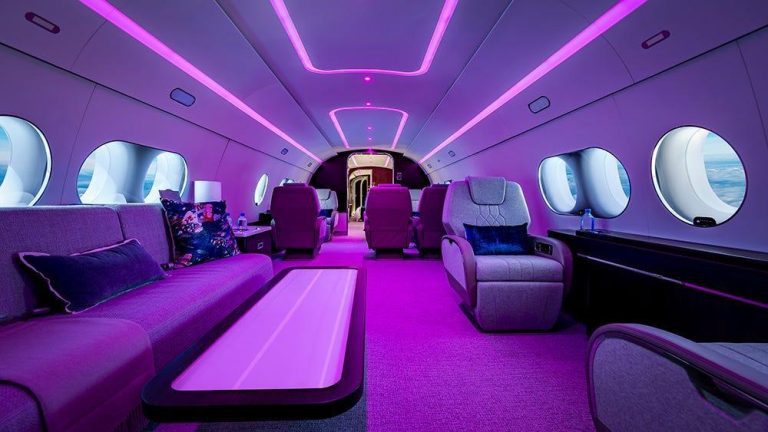
One of the most important factors in designing a private jet for passengers with disabilities is the cabin layout. Spaciousness and ease of movement are critical to providing a comfortable experience for passengers with mobility challenges. Private jets are being designed with wider aisles and larger bathrooms to accommodate wheelchairs and assistive devices. In some cases, entire sections of the cabin are customized to provide extra space for passengers who need additional assistance.
For example, some jets feature customized seating arrangements that allow passengers with disabilities to travel alongside family members or caregivers. By incorporating flexible seating options, private jets can ensure that passengers with disabilities have a comfortable and safe flight, with ample room to move around.
b. Wheelchair Accessibility and Boarding Assistance
One of the primary challenges for passengers with disabilities in private aviation is boarding the aircraft. Traditional jet stairs and narrow doors often make it difficult for wheelchair users to enter the cabin. To address this, private jets are being designed with wider, more accessible doors, ramps, and lifts that make it easier for passengers with mobility challenges to board.
Additionally, many private jet operators now offer boarding assistance, including staff trained to assist passengers with disabilities. These services ensure that passengers can board and disembark smoothly and safely, without any added stress or discomfort.
3. Specialized Features for Passengers with Disabilities
Private jets are incorporating specialized features and technologies to cater to a range of disabilities, ensuring that passengers with specific needs are able to travel in comfort and safety.
a. Medical Equipment and Facilities
For passengers with medical conditions or those who require special medical equipment, private jets are increasingly being equipped with advanced medical facilities. These can include onboard medical oxygen systems, stretchers, and space for medical personnel to travel with the passenger. Some jets even feature dedicated medical cabins that are equipped with the latest healthcare technologies to support passengers during long flights.
Private jets can also be customized to accommodate life-saving equipment such as ventilators, dialysis machines, or other medical devices. This is especially important for passengers with chronic medical conditions who require continuous care while traveling.
b. Sensory Impairments: Enhancing the Experience for Visually or Hearing-Impaired Passengers
For passengers with sensory impairments, private jets are incorporating assistive technologies that ensure an inclusive flying experience. For example, audio-visual systems can be customized with subtitles for in-flight entertainment, and flight crews are trained to provide assistance for those with hearing impairments.
Visually impaired passengers are being accommodated with tactile signage, Braille labels, and navigation aids within the aircraft. These modifications ensure that passengers with sensory impairments can travel with confidence and independence.
4. Onboard Services and Crew Training
In addition to physical design changes, private jet operators are increasingly focusing on providing exceptional services for passengers with disabilities. The crew members of private jets are being trained to assist passengers with a wide range of disabilities, ensuring a smooth and comfortable journey from start to finish.
a. Trained Crew and Assistive Services
Private jet crews are now receiving specialized training in assisting passengers with disabilities. This includes helping with mobility needs, administering first aid, and providing assistance during emergency situations. By ensuring that all crew members are properly trained, private aviation companies can offer a higher level of service to passengers with disabilities.
b. Tailored In-Flight Experiences
The in-flight experience for passengers with disabilities is also being enhanced. Customizable in-flight amenities, such as meals, entertainment, and seating arrangements, can be customized to suit the needs of each passenger. Passengers with sensory or dietary restrictions, for example, can request specific meals or accommodations in advance to ensure a comfortable journey.
Private jets are also equipped with advanced entertainment systems that allow passengers to adjust the settings to their preferences. Whether it’s controlling the lighting, sound, or visual features, passengers with disabilities can personalize their flight experience to meet their specific needs.
5. Future Innovations in Accessible Private Jet Travel
As the demand for accessible private aviation continues to grow, the industry is constantly innovating to make air travel more inclusive. The future of private jet design is focused on even greater inclusivity, ensuring that people with disabilities can enjoy a seamless and luxurious flying experience.
a. Smart Aircraft with Assistive Technology
The future of private jet accessibility is poised to include more advanced technologies that assist passengers with disabilities. Smart aircraft, equipped with artificial intelligence (AI) and Internet of Things (IoT) devices, will enable passengers to interact with their environment in a way that is customized to their specific needs. For instance, AI-powered systems could offer voice-controlled adjustments to seating, lighting, and entertainment systems, making it easier for passengers with physical disabilities to make adjustments without needing assistance.
b. Autonomous Aircraft for Greater Accessibility
Another area of development in private jet travel is autonomous aircraft. With the potential for self-flying jets, passengers with disabilities may find it easier to travel independently, without the need for a crew member to assist with certain tasks. Autonomous jets could be equipped with specialized features, such as automated boarding systems, that make it easier for passengers with disabilities to navigate the airport and jet.
Conclusion
The design of private jets for passengers with disabilities is undergoing a significant transformation, ensuring that everyone, regardless of their physical abilities, can experience the luxury, comfort, and convenience of private aviation. From spacious cabins and wheelchair accessibility to specialized medical equipment and assistive technologies, the aviation industry is embracing inclusivity in a way that has never been seen before.
As the demand for accessible private jet services continues to rise, innovation will drive even more advanced solutions to ensure that passengers with disabilities can travel with the utmost comfort, independence, and dignity. With a focus on both functionality and luxury, private aviation is becoming a more inclusive space for all travelers, ensuring that the sky truly is the limit for everyone.