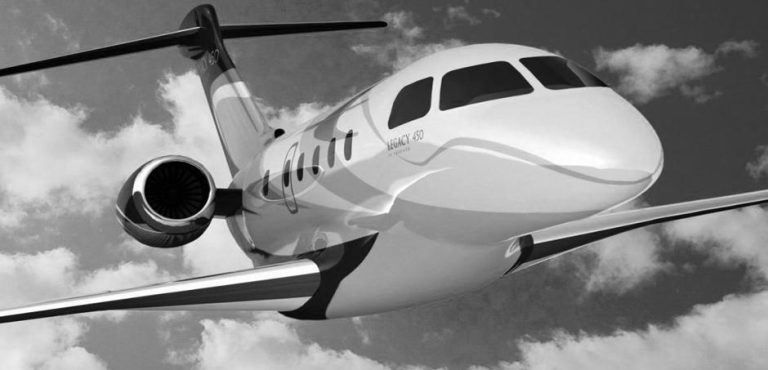
PrivateJetia Private Jet Fly 46
Introduction: A New Era in Aviation
Luxury aviation has long been defined by opulence and efficiency, but the emergence of electric private jets is set to redefine the industry. As environmental concerns drive innovation, the aviation sector is undergoing a monumental shift towards sustainability. Electric jets promise to combine the exclusivity of private travel with eco-consciousness, offering a glimpse into the future of flying.
In this article, we delve into the fascinating world of electric private jets, exploring how they work, their advantages, challenges, and their potential to transform luxury aviation forever.
1. What Are Electric Private Jets?
Electric private jets are aircraft powered by electric motors instead of traditional jet engines that rely on fossil fuels. These jets use energy stored in batteries to propel the aircraft, offering a cleaner and quieter alternative to conventional jets.
Key Features
- Electric Propulsion Systems: Powered by advanced lithium-ion or solid-state batteries.
- Reduced Emissions: Zero or significantly lower greenhouse gas emissions.
- Quieter Operations: Noise levels are considerably lower than traditional jets, enhancing passenger comfort.
2. The Technology Behind Electric Private Jets
a. Battery Technology
The backbone of electric jets lies in their battery systems. Advances in energy density, efficiency, and weight reduction have made it feasible to power aircraft with electricity.
- Lithium-Ion Batteries: Currently the most widely used battery type, offering high energy storage and efficiency.
- Solid-State Batteries: Emerging as a promising alternative with improved safety and energy density.
b. Electric Motors
Electric motors convert electrical energy into mechanical energy, driving the aircraft’s propellers or fans. These motors are lightweight, efficient, and require less maintenance than traditional jet engines.
c. Lightweight Materials
To offset the weight of batteries, electric jets are often constructed using advanced materials like carbon composites and titanium alloys, ensuring durability without compromising efficiency.
3. Benefits of Electric Private Jets
a. Environmental Sustainability
Electric jets produce zero emissions during flight, aligning with global efforts to combat climate change.
b. Cost Efficiency
Electric propulsion significantly reduces fuel costs, which is a major expense in aviation. Additionally, electric motors have fewer moving parts, lowering maintenance costs.
c. Noise Reduction
The quieter operation of electric jets enhances the passenger experience and reduces noise pollution in urban areas and airports.
d. Energy Independence
Electric jets can potentially operate using renewable energy sources, such as solar or wind power, for battery charging, reducing reliance on fossil fuels.
4. Leading Companies Developing Electric Private Jets
Several aerospace innovators are driving the electric aviation revolution:
a. Lilium
A German company, Lilium is developing the Lilium Jet, a vertical take-off and landing (VTOL) aircraft designed for private and regional air travel.
- Range: 155 miles
- Speed: 186 mph
b. Eviation Aircraft
Creators of the Alice, Eviation Aircraft is targeting regional and private aviation markets.
- Range: 500 miles
- Passenger Capacity: Up to 9 passengers
c. Joby Aviation
Focusing on eVTOL technology, Joby Aviation is set to revolutionize urban air mobility with its sleek, electric aircraft.
d. Rolls-Royce
Rolls-Royce is working on advanced electric propulsion systems for aviation, with the goal of creating sustainable, luxury aircraft.
5. The Role of Electric Jets in Luxury Aviation
Electric private jets are poised to transform the luxury aviation market by offering:
- Eco-Luxury: Combining high-end travel with environmental consciousness.
- Customizable Interiors: Advanced materials and designs enable bespoke cabins customized to individual preferences.
- Future-Ready Features: Smart cabins with integrated AI, augmented reality, and connected technologies.
6. Challenges Facing Electric Private Jets
a. Limited Range
Current battery technology restricts the range of electric jets compared to traditional models, making them suitable primarily for short-haul flights.
b. Long Charging Times
Recharging large batteries can take hours, potentially disrupting flight schedules.
c. Infrastructure Requirements
Airports need to adapt by installing charging stations and developing infrastructure to support electric aircraft.
d. Initial Costs
High development and manufacturing costs may make electric private jets expensive initially, though costs are expected to decrease with mass production.
7. Government and Industry Support
a. Regulatory Push
Governments worldwide are introducing policies to reduce aviation emissions, encouraging the adoption of electric technologies.
- European Green Deal: Targets carbon neutrality in aviation by 2050.
- FAA Initiatives: Supporting electric aircraft certification in the U.S.
b. Partnerships and Investments
Aerospace giants and tech startups are forming partnerships to accelerate electric aviation. For example:
- Airbus has partnered with energy companies to explore hybrid-electric solutions.
- Boom Supersonic is researching sustainable propulsion technologies for supersonic electric jets.
8. The Future of Electric Private Jets
a. Technological Innovations
- Next-Generation Batteries: Solid-state batteries and hydrogen fuel cells could extend the range and efficiency of electric jets.
- Autonomous Electric Jets: AI-powered systems may enable fully autonomous flights, further enhancing safety and efficiency.
b. Expansion of eVTOL Markets
Electric Vertical Take-Off and Landing (eVTOL) aircraft are gaining traction for urban air mobility, offering fast, eco-friendly transport within cities.
c. Integration with Smart Airports
Future airports may feature fully integrated electric charging hubs and AI-driven traffic management systems to accommodate electric aviation.
9. Comparing Electric Jets with Traditional Jets
| Feature | Electric Jets | Traditional Jets |
|---|---|---|
| Emissions | Zero emissions | High carbon emissions |
| Noise Levels | Very low | Moderate to high |
| Fuel Costs | Minimal | High |
| Range | Limited (short-haul) | Extensive (long-haul) |
| Maintenance | Low | High |
10. Steps to Transition to Electric Aviation
a. For Jet Owners
- Retrofit Aircraft: Consider hybrid-electric retrofits for existing jets.
- Adopt SAFs: Use Sustainable Aviation Fuels as an interim solution while electric technology advances.
b. For Passengers
- Choose Electric Flights: Opt for charter services offering electric jets when available.
- Support Green Initiatives: Invest in carbon offset programs and advocate for sustainable aviation.
c. For Manufacturers
- Innovate: Prioritize R&D in battery technology and lightweight materials.
- Collaborate: Partner with tech companies and energy providers to overcome infrastructure challenges.
Conclusion
Electric private jets represent a bold step forward for the aviation industry, merging the worlds of luxury and sustainability. As technology advances and infrastructure evolves, these jets will play a crucial role in reducing the environmental footprint of air travel.
For the environmentally conscious traveler who values exclusivity, electric private jets offer a glimpse of what’s possible when innovation meets responsibility. The future of luxury aviation is electric, and it’s arriving faster than you think.
By embracing these advancements, we can ensure that the skies remain as beautiful and unspoiled as the destinations we seek to explore.