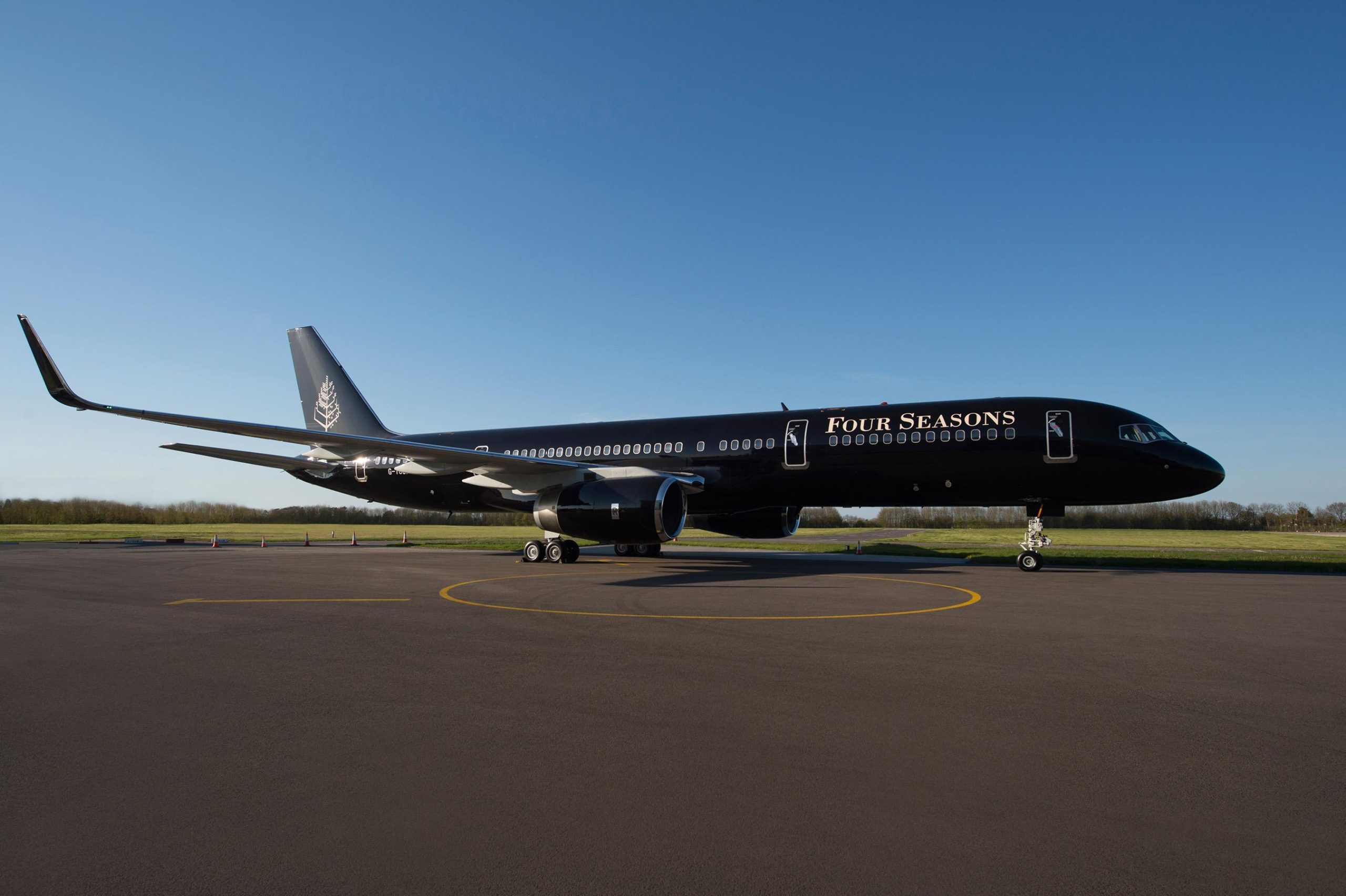
The world of private aviation has traditionally been associated with luxury, exclusivity, and a high environmental footprint. However, as the demand for sustainability continues to grow, even the most luxurious industries are evolving. Custom private jets are no exception. Today, private jet manufacturers and owners are embracing eco-friendly features that help reduce the environmental impact of aviation without compromising on comfort or performance. These advancements include sustainable materials, energy-efficient systems, and innovative technologies that make flying private more eco-conscious.
In this article, we will explore the eco-friendly features in custom private jets, diving into the green technologies and sustainable practices that are reshaping the industry. From alternative fuel options to green cabin designs, we’ll cover how custom private jets are evolving to meet the growing demand for luxury travel with a lower carbon footprint. By understanding these eco-friendly features, travelers can enjoy the benefits of personalized private jet experiences while contributing to the health of the planet.
The Growing Demand for Sustainability in Aviation
The aviation industry, particularly private aviation, has long faced criticism for its contribution to global carbon emissions. According to recent studies, private jets are responsible for a disproportionately high amount of carbon emissions, considering the number of people they transport. As environmental concerns continue to rise, more and more industries are seeking ways to reduce their ecological footprint, and aviation is no exception.
Fortunately, the private aviation sector is undergoing a shift towards more sustainable practices. One of the most significant changes has been the growing demand for eco-friendly features in custom private jets. Owners of private jets, especially those in industries where luxury travel is a priority, are increasingly looking for ways to minimize their carbon footprint without sacrificing the comfort and performance of their aircraft.
Leading manufacturers in the private jet industry, such as Gulfstream, Bombardier, and Embraer, are now incorporating green technologies and sustainable materials into the design and manufacturing of their aircraft. This movement is helping to redefine the future of private aviation, offering travelers the ability to fly in luxury while maintaining a commitment to sustainability.
What Makes a Private Jet Eco-Friendly?
An eco-friendly private jet is one that incorporates sustainable materials, advanced technologies, and systems designed to minimize the aircraft’s overall environmental impact. These features can be found throughout the entire jet, from its design and construction to its fuel systems and interior features. Key elements of an eco-friendly custom private jet include:
1. Alternative Fuels and Energy Sources
One of the most effective ways to reduce the carbon footprint of a private jet is by switching to more sustainable fuels. Sustainable aviation fuel (SAF) is a renewable, cleaner alternative to traditional jet fuel and is already being integrated into some private jets. SAF is derived from renewable sources such as biofuels, algae, or synthetic fuels produced from waste materials. By using SAF, private jet operators can significantly reduce their carbon emissions while maintaining the performance standards required for high-end aviation.
Another potential energy source for eco-friendly private jets is electric propulsion. Although still in the early stages of development, electric planes powered by batteries or hybrid-electric systems are gaining attention in the aviation industry. These technologies have the potential to dramatically reduce the carbon footprint of private jets in the future, with some companies already working on prototypes of electric jets.
2. Aerodynamic Design and Lightweight Construction
The design of a private jet plays a significant role in its fuel efficiency. Aerodynamic designs that reduce drag can help reduce fuel consumption, leading to lower emissions. Custom private jets are increasingly being designed with more streamlined shapes that optimize airflow and reduce resistance. The use of lightweight materials also contributes to improved fuel efficiency. Carbon fiber, titanium, and other advanced composites are being used to construct parts of the aircraft, helping to reduce weight without compromising strength or safety.
Incorporating these design elements not only improves fuel efficiency but also enhances the overall performance and range of the aircraft. This means that eco-friendly private jets can travel longer distances using less fuel, which is a win-win for both the environment and the passenger.
3. Energy-Efficient Cabin Systems
The interior systems of a private jet also play a key role in its overall energy efficiency. Modern eco-friendly jets are equipped with energy-efficient cabin technologies that help minimize energy consumption during flight. This includes LED lighting, which uses significantly less power than traditional lighting, and advanced climate control systems that help regulate the cabin’s temperature with minimal energy use.
Smart cabin technologies are also being integrated into private jets to enhance energy efficiency. For instance, automated lighting and temperature controls can be set to adjust based on passenger preferences, ensuring optimal comfort while reducing energy waste. These technologies make it possible to enjoy a luxurious experience without sacrificing sustainability.
4. Sustainable Cabin Materials
The use of eco-friendly materials in the cabin design is another important feature of custom private jets. Sustainable materials can be used for a variety of interior elements, including seating, flooring, and paneling. Materials such as recycled leather, organic fabrics, and bamboo are gaining popularity in eco-conscious designs. These materials not only reduce the environmental impact of the jet’s interior but also contribute to a more natural, eco-friendly atmosphere inside the cabin.
For example, many private jet owners are opting for upholstery made from plant-based fabrics or recycled polyester, which have a lower environmental impact than traditional synthetic materials. Wood veneers made from sustainably sourced timber or recycled wood are also used in the construction of high-end private jet interiors.
5. Waste Reduction Systems
Waste management is another important aspect of sustainability in custom private jets. Many private jets are now equipped with advanced waste management systems that reduce the amount of waste generated during flight. These systems include recyclable waste containers and compostable products, ensuring that waste is disposed of in an environmentally responsible manner. Additionally, some aircraft are incorporating water-saving features such as low-flow faucets and showers to reduce water consumption on board.
6. Solar Power Integration
While not yet widespread, solar power integration is an emerging feature in some custom private jets. Solar panels are being incorporated into the aircraft’s design to help power various systems, such as lighting or air conditioning, during flight. Solar energy can also be used to charge onboard batteries when the jet is parked, reducing the need for external power sources.
7. Noise Reduction Technologies
Noise pollution is a significant issue in aviation, and modern eco-friendly private jets are equipped with advanced noise reduction technologies to minimize sound pollution. These technologies include the use of noise-dampening materials in the cabin and engine noise-reducing systems. These efforts help ensure that private jet travel remains as quiet and comfortable as possible for passengers, while also reducing the environmental impact associated with noise pollution.
Benefits of Eco-Friendly Features in Custom Private Jets
The integration of eco-friendly features in custom private jets offers a variety of benefits for both the environment and the passengers. Here are some of the key advantages:
1. Reduced Carbon Footprint
By using sustainable fuels, lightweight materials, and energy-efficient systems, custom private jets can significantly reduce their overall carbon footprint. This not only helps to combat climate change but also ensures that the aviation industry can continue to grow in a more environmentally responsible manner.
2. Cost Savings
Many of the eco-friendly features in custom private jets, such as energy-efficient systems and lightweight construction, can help reduce operational costs. For example, using alternative fuels or electric propulsion can lower fuel costs, while advanced cabin technologies can reduce the need for excessive energy consumption. These cost savings can make eco-friendly private jets a more economical option in the long run.
3. Improved Passenger Comfort
Sustainable materials and energy-efficient cabin systems do not only benefit the environment, they also enhance passenger comfort. For instance, eco-friendly upholstery made from organic materials can offer a more comfortable seating experience, while smart climate control ensures that the cabin is always at the perfect temperature. Additionally, quieter engines and noise reduction technologies contribute to a more peaceful and relaxing flight.
4. Luxury with a Purpose
With eco-friendly private jets, passengers can enjoy the luxury and exclusivity of private aviation while knowing that their travel choices are making a positive impact on the planet. By choosing an aircraft that incorporates sustainable practices, passengers are helping to shape a more eco-conscious and luxurious future for the aviation industry.
Conclusion
As the demand for sustainable private aviation continues to grow, the eco-friendly features in custom private jets are becoming more advanced and widespread. From the use of sustainable fuels and lightweight materials to the incorporation of smart cabin technologies and solar power, the aviation industry is moving toward a more sustainable future. These innovations are allowing private jet owners to enjoy luxurious travel experiences while significantly reducing their carbon footprint.
As more manufacturers adopt eco-friendly practices, the landscape of private aviation will continue to evolve. With eco-friendly custom private jets, passengers can enjoy the best of both worlds, luxury travel and environmental responsibility. The future of private aviation is not just about performance and comfort, it’s about traveling sustainably and making a positive impact on the environment.