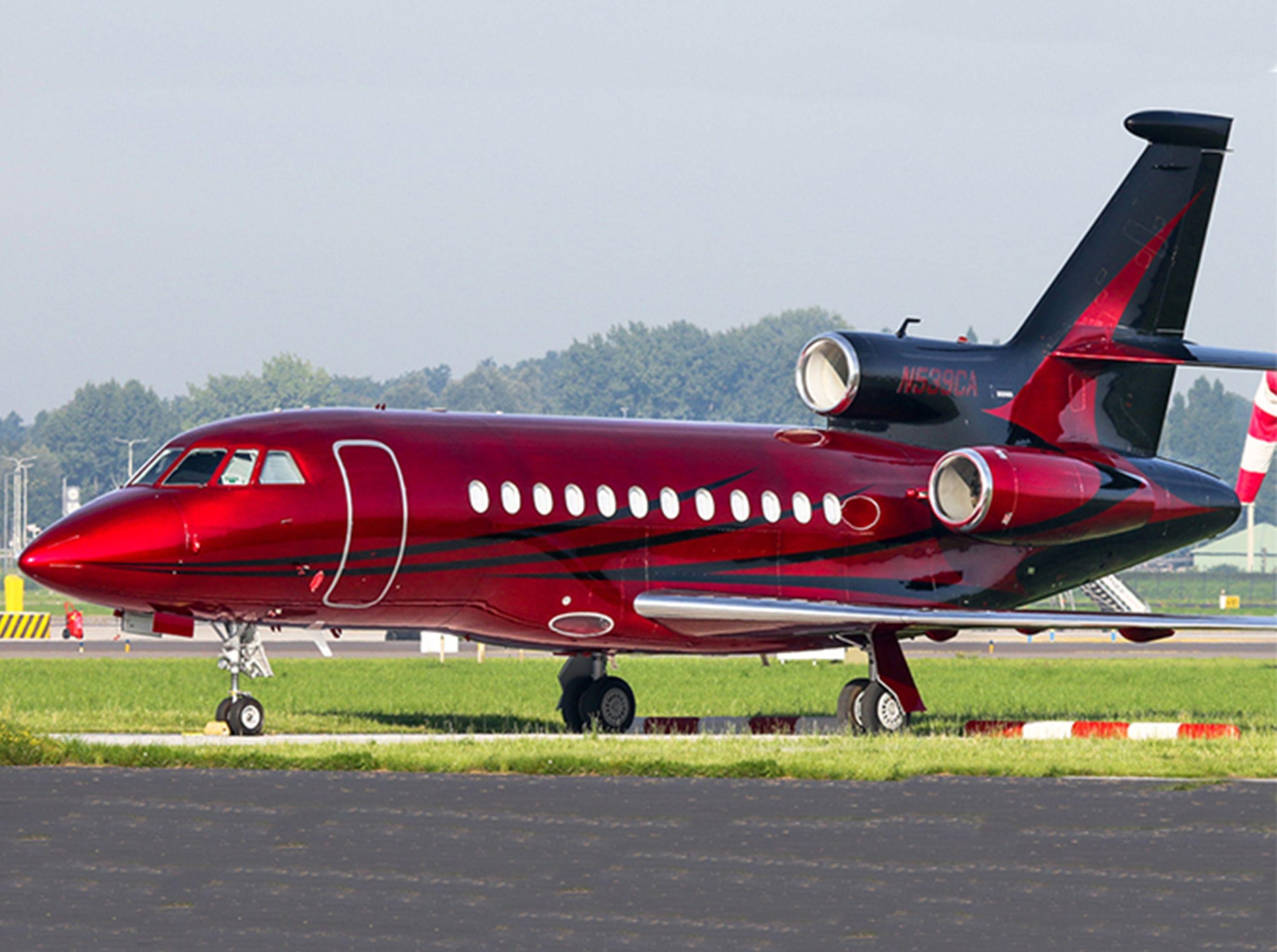
Private jet ownership has long been associated with luxury, exclusivity, and convenience. However, in recent years, as environmental concerns and social responsibility take center stage, private jet ownership has come under scrutiny. While the benefits of owning a private jet are clear, flexibility, privacy, and efficiency, the ethical implications surrounding their use and ownership are less straightforward. This article delves into the ethical considerations of private jet ownership, addressing environmental impacts, social responsibility, and the balance between personal indulgence and global consequences.
The rise of private jet travel is a reflection of growing wealth and a demand for more personalized travel experiences. Yet, the environmental cost of flying in private jets, their association with the super-wealthy, and the public’s increasing concern about inequality raise important questions. Is private jet ownership ethical? Is it possible to reconcile the luxury of private aviation with the growing need for sustainability? Let’s explore these complex issues.
The Environmental Impact of Private Jets
One of the most significant ethical concerns surrounding private jet ownership is the environmental impact. Air travel is known to contribute to greenhouse gas emissions, and private jets are no exception. In fact, private jets tend to have a much larger carbon footprint per passenger than commercial flights, making them a major focus in discussions about sustainability and climate change.
Carbon Emissions of Private Jets
A typical private jet emits significantly more carbon dioxide (CO2) per mile than commercial aircraft. According to estimates, a private jet emits roughly 2 to 3 times more CO2 per passenger than a commercial flight. For example, a small private jet flying from New York to Los Angeles will emit approximately 7 times more CO2 per passenger compared to a commercial flight on the same route. Given that many private jets fly with only a few passengers on board, this means that the per-passenger emissions can be extraordinarily high.
In light of the global urgency to combat climate change, private jet ownership has been criticized for exacerbating the environmental crisis. The aviation industry as a whole is responsible for around 2-3% of global carbon emissions, with private jets making up a significant portion of that figure.
Other Environmental Concerns
While carbon emissions are the most well-known environmental impact, private jets also contribute to other ecological issues. The production and maintenance of private jets involve resource-intensive processes, with the manufacturing of aircraft materials like aluminum, titanium, and composites requiring substantial energy. Moreover, jet fuel, typically derived from non-renewable fossil fuels, adds to the environmental burden. Even when flying over remote or protected regions, private jets contribute to noise pollution, which can disturb wildlife and local communities.
The environmental impact of private jets extends beyond just the flight itself. The demand for private jet travel often requires the construction and operation of additional airports, private terminals, and infrastructure that further strain local ecosystems. These environmental consequences raise questions about the broader implications of private aviation and whether such luxury travel is sustainable in the long term.
Social Responsibility and Public Perception
Private jet ownership has long been synonymous with wealth and privilege. The images of billionaires, celebrities, and business moguls hopping onto their private jets to jet off to exotic locations can be jarring in a world increasingly focused on social equity and environmental justice. The rise of social media has only amplified the visibility of private jet ownership, often showcasing the extravagant lifestyles of the ultra-rich.
Perceived Inequality and Luxury
As income inequality grows globally, the contrast between the super-wealthy who own private jets and those who struggle to make ends meet has become more pronounced. Critics argue that private jet ownership is emblematic of the disparity between the wealthy and the rest of the population. In a time when many individuals are fighting for access to basic needs such as healthcare, education, and clean water, the ostentatious display of wealth through private jet ownership is seen by some as a symbol of social irresponsibility.
The backlash against private jet ownership has intensified with the rise of environmental movements. Activists point out that while many people make sacrifices to reduce their carbon footprint, the super-rich continue to indulge in luxury practices that contribute significantly to environmental degradation. The hypocrisy of promoting sustainability while engaging in high-emission activities like flying privately has sparked debates on the ethics of private jet ownership.
Public Perception and the Celebrity Factor
Celebrities and high-profile figures who frequently use private jets are often the target of public scrutiny. The backlash against figures like Kylie Jenner, who was criticized for taking a short flight in a private jet despite her environmental advocacy, is just one example of the increasing disconnect between luxury lifestyles and public concerns about climate change. These celebrities’ actions can be perceived as tone-deaf, especially when they show little regard for the broader societal issues surrounding inequality and environmental degradation.
The media plays a crucial role in shaping the public’s perception of private jet ownership. Stories of wealthy individuals using private jets for short trips or unnecessary travel are often met with outrage, while those who use their jets for more philanthropic purposes may be met with less criticism. This dichotomy highlights the complexity of ethical discussions surrounding private aviation and the need for a nuanced approach to these issues.
Balancing Luxury and Responsibility
While private jets undoubtedly have a significant environmental and social cost, there are ways in which owners can mitigate these impacts and take on greater social responsibility. A growing number of private jet owners are adopting strategies to make their air travel more sustainable, aiming to strike a balance between the luxury of private aviation and the ethical concerns it raises.
Carbon Offsetting Programs
One way private jet owners can mitigate their environmental impact is through carbon offset programs. Carbon offsetting involves investing in projects that reduce or remove greenhouse gases from the atmosphere, such as renewable energy initiatives, reforestation projects, and methane capture programs. By purchasing carbon offsets for each flight, private jet owners can effectively neutralize the carbon emissions generated by their travel.
While carbon offsetting is not a perfect solution, it does provide a way for private jet owners to take responsibility for their environmental impact. The aviation industry, including private jet operators, is increasingly offering carbon offsetting programs to passengers, giving them the option to contribute to environmental sustainability while enjoying the convenience of private air travel.
Sustainable Aviation Fuel (SAF)
Sustainable Aviation Fuel (SAF) is another promising development in the quest for greener aviation. SAF is produced from renewable resources like waste oils, agricultural residues, and algae, offering a much lower carbon footprint compared to traditional jet fuel. Several private jet companies have started using SAF in their fleets, significantly reducing the carbon emissions associated with flying.
The use of SAF is still in the early stages, and its availability is limited, but as demand for sustainable aviation options increases, the industry is likely to see a significant shift toward greener fuel alternatives. Private jet owners who are committed to reducing their environmental footprint can choose operators who prioritize SAF and support the growth of this cleaner fuel technology.
Private Jet Chartering as an Alternative
For individuals who do not need to fly frequently or who are conscious of the environmental impact of private aviation, chartering a private jet may offer a more ethical alternative. Chartering allows passengers to access the benefits of private air travel without the need for ownership, which is often associated with higher emissions due to lower passenger loads. Chartering also allows for better optimization of aircraft usage, which can reduce the number of flights and emissions over time.
In this way, private jet chartering provides a more sustainable solution by allowing individuals to access private aviation on an as-needed basis while minimizing the negative environmental impacts of ownership.
Conclusion: Navigating the Ethical Dilemma of Private Jet Ownership
The ethics of private jet ownership are complex and multifaceted. On one hand, private jets provide convenience, flexibility, and efficiency, offering a unique and luxurious travel experience. On the other hand, their environmental impact, social implications, and contribution to inequality cannot be ignored. As concerns about climate change and social justice continue to grow, the ethical debate surrounding private jet ownership will remain a hot topic.
Ultimately, the question of whether private jet ownership is ethical depends on the choices made by the individuals who own these aircraft. By taking steps to mitigate their environmental impact, such as investing in carbon offset programs, using sustainable aviation fuel, and supporting philanthropic causes, private jet owners can strike a balance between luxury and responsibility. As the world moves toward more sustainable practices, it is clear that private jet ownership must evolve to meet the ethical challenges of our time.
The future of private aviation lies in the hands of its owners and operators. Those who are willing to embrace sustainable practices and take responsibility for their impact on the planet can ensure that private jets continue to serve a purpose beyond just luxury travel. The ethical implications of private jet ownership will continue to evolve, but with the right approach, it is possible to reconcile indulgence with a commitment to social and environmental responsibility.