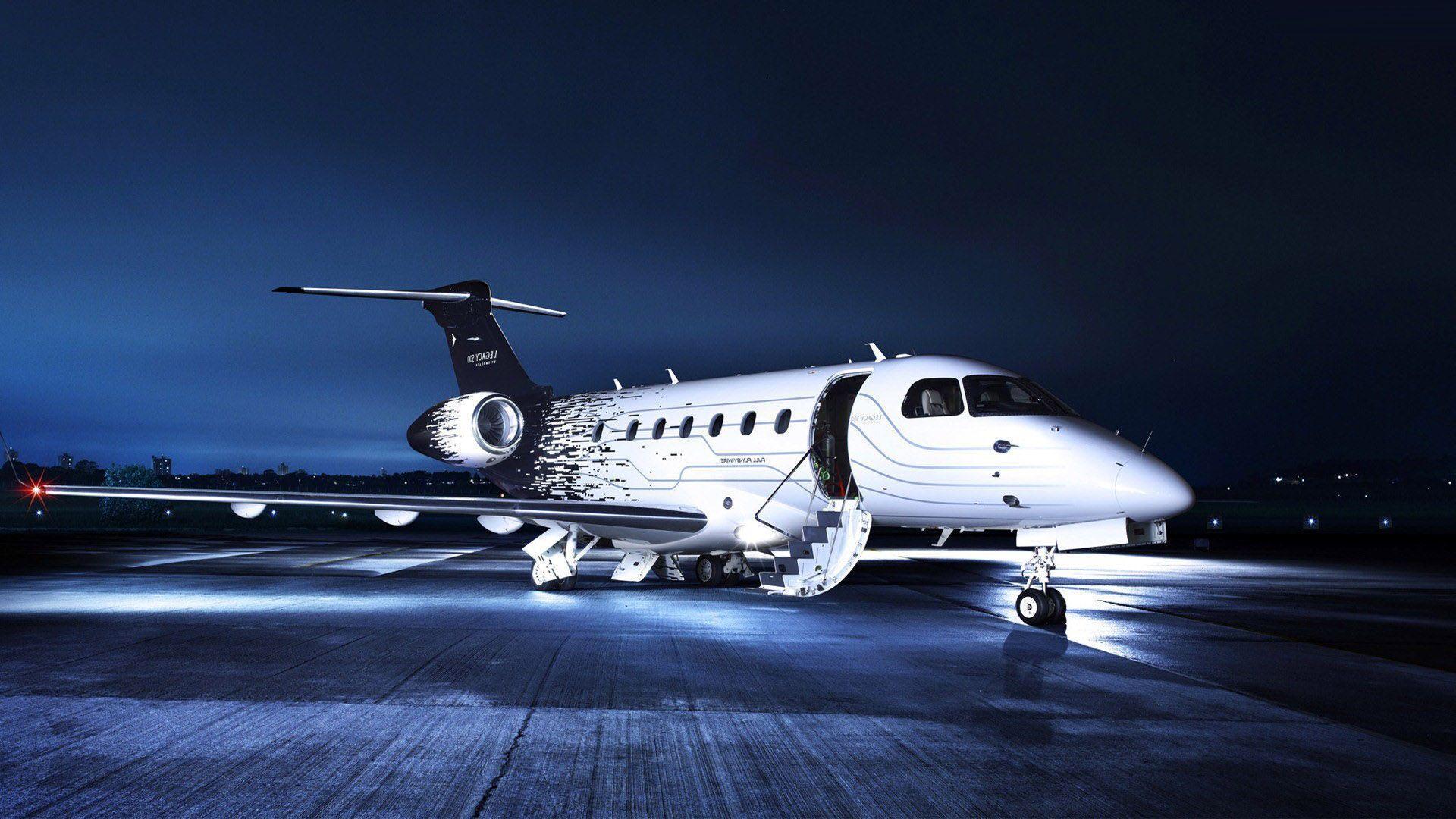
Owning a private jet is the ultimate luxury, offering unmatched convenience, comfort, and exclusivity. For many first-time buyers, however, the idea of purchasing a jet can seem daunting. The process involves significant financial investment, legal considerations, and operational decisions. But with the right knowledge, buying a private jet can be a rewarding and life-changing experience. This guide provides all the essential information you need to make an informed decision about your first private jet, covering everything from costs and types of jets to ownership structures and ongoing maintenance.
The Allure of Private Jet Ownership
For those who value time, privacy, and luxury, a private jet is an invaluable asset. The flexibility it provides, allowing you to fly whenever and wherever you need, makes private jet ownership appealing to business moguls, celebrities, and even affluent families. Not only does owning a jet provide access to remote destinations with ease, but it also offers an a very uniqueed level of comfort and convenience. Private jets can be a way to make business meetings more productive, attend events on a whim, or simply enjoy leisure travel in complete privacy. However, before making such a significant investment, it’s important to understand the complexities of jet ownership.
How Much Does a Private Jet Cost?
The price of a private jet can vary greatly depending on several factors, including the size, age, model, and specific features you want. On average, the cost of purchasing a private jet can range from $3 million to upwards of $90 million for a large, long-range jet. Here are the main pricing categories to consider:
- Light Jets: Light jets are typically the most affordable option for first-time buyers, with prices ranging from $3 million to $8 million. These jets are ideal for short-distance travel, with seating for up to 8 passengers.
- Midsize Jets: A midsize jet offers more comfort and range than a light jet and can carry around 8-10 passengers. These jets are priced between $7 million and $16 million.
- Large Jets: For long-distance, international travel, large jets are the most suitable. These jets can cost anywhere from $20 million to $90 million, depending on the specifications.
Keep in mind that the initial cost is just one part of the equation. Ongoing operating costs, including fuel, maintenance, insurance, and crew salaries, are ongoing expenses that must be considered when calculating the total cost of ownership.
Additional Costs of Private Jet Ownership
Once you’ve made the initial purchase, there are several other costs associated with owning a private jet. These can be broken down into the following categories:
- Operating Costs
The operating costs include fuel, airport fees, maintenance, crew salaries, and hangar fees. On average, operating a private jet can cost anywhere from $500,000 to $1.5 million annually, depending on the jet’s size and how often it’s used. - Maintenance and Upkeep
Regular maintenance is essential for ensuring the jet remains safe and operational. This includes routine inspections, parts replacement, and system upgrades. The cost of maintaining a private jet can range from $150,000 to $500,000 annually, depending on the jet’s age and usage. - Insurance
Private jet insurance is mandatory and can be a significant expense. The cost of insurance varies based on the jet’s value, usage, and the level of coverage desired. Typically, insurance premiums range from $50,000 to $200,000 per year. - Crew Salaries
Most private jet owners require at least one pilot, a co-pilot, and a flight attendant. The salaries of the crew can add up to a significant cost. The average salary for a private jet pilot is around $100,000 to $200,000 annually, while flight attendants typically earn between $50,000 and $75,000. - Depreciation
Like most vehicles, private jets depreciate over time. Typically, a jet loses around 5-10% of its value per year, although this rate can vary based on the market and the specific model. - Hangar Fees
Storing your jet at an airport or private hangar can also incur significant costs, ranging from $10,000 to $50,000 per year, depending on the location and facility.
Types of Private Jets
There are various types of private jets available, each offering different features and capabilities. Here’s an overview of the main categories:
- Light Jets
Light jets are perfect for short trips, offering speed and efficiency while accommodating up to 8 passengers. Popular models include the Cessna Citation CJ4 and the Embraer Phenom 300. These jets are perfect for regional travel and are typically the most affordable option for first-time buyers. - Midsize Jets
Midsize jets offer a balance of range, capacity, and comfort, making them ideal for both short and medium-distance travel. Models like the Hawker 800XP and the Learjet 60XR offer enhanced cabin space and larger seating capacities. These jets can travel longer distances than light jets, making them a great choice for business travelers. - Heavy Jets
Heavy jets are the most luxurious and spacious of all private jets. These jets are capable of flying long distances, often intercontinental, and provide the utmost comfort for passengers. Models such as the Gulfstream G550 and the Bombardier Global 6000 offer expansive cabins with amenities like full-sized beds, private bathrooms, and meeting areas. - Ultra-Long-Range Jets
For those who need to travel across continents without refueling, ultra-long-range jets are the ultimate option. The Gulfstream G650ER and Bombardier Global 7500 are among the most luxurious and expensive jets available, offering the longest range and most advanced features.
Owning a Private Jet: Key Considerations
Before you purchase a private jet, there are several factors to consider that go beyond the financials. These considerations will help you make the right choice for your needs and ensure that your ownership experience is seamless and enjoyable.
- Flight Frequency and Usage
Think about how often you will use your jet. If you plan to fly frequently, it may make sense to own a jet outright. However, if your flights are occasional, consider sharing ownership or leasing a jet. Fractional ownership and jet cards allow you to access private jets without the full commitment of owning one. - Jet Size and Capacity
Consider the size of the jet and the number of passengers you typically travel with. If you mostly travel alone or with one or two others, a light jet might be sufficient. However, if you plan to entertain clients or travel with family, a larger jet may be more appropriate. - Interior and Comfort
Jet interiors vary greatly in terms of design, comfort, and features. When choosing a private jet, consider the amenities that matter most to you. Do you need a bed, a full dining area, or a private bathroom? Ensure that the interior of the jet aligns with your expectations for comfort and luxury. - Jet Age and Condition
While new jets are highly desirable, they come with a significant price tag. Used jets can be a cost-effective alternative, but it’s important to ensure that they are in good condition. Consider working with a reputable broker or consulting with a mechanic who specializes in jets to inspect the aircraft. - Legal and Regulatory Considerations
Private jet ownership involves a range of legal and regulatory responsibilities. Make sure you are familiar with local aviation laws, import/export regulations, and any restrictions on where you can fly. Work with an aviation lawyer to ensure compliance with all necessary regulations.
Ownership Structures: To Buy or Not to Buy?
One of the key decisions you’ll face as a first-time buyer is whether to purchase a jet outright, enter fractional ownership, or lease a jet. Here’s a breakdown of the options:
- Full Ownership
Full ownership means you own the jet outright and have complete control over its usage, scheduling, and maintenance. This option offers the most flexibility but comes with the highest costs and responsibilities. - Fractional Ownership
Fractional ownership allows you to buy a share of a jet and enjoy all the benefits of ownership without the full financial commitment. This option is perfect for individuals who fly often but don’t want to handle the logistics and upkeep of a full jet. - Jet Cards
Jet cards offer a pay-as-you-go option, allowing you to buy hours of flight time on a specific jet. This option is ideal for those who don’t need a jet on a regular basis but want the flexibility to fly when necessary.
Finding the Right Broker and Aircraft Management Company
Working with an experienced aircraft broker is crucial when buying a private jet. A broker can help you find the best deal, negotiate the price, and handle the paperwork. Additionally, if you choose full ownership, you’ll need to partner with an aircraft management company to handle everything from maintenance to hiring crew.
Conclusion
Buying a private jet for the first time is a complex decision that requires careful consideration of your needs, budget, and preferences. With the right guidance and knowledge, you can navigate the process and enjoy the many benefits of private jet ownership. Whether you choose full ownership or a fractional arrangement, owning a private jet is a significant investment that offers convenience, luxury, and freedom. By understanding the costs, types of jets, and ownership structures, you’ll be well on your way to making an informed and confident decision about your first private jet.