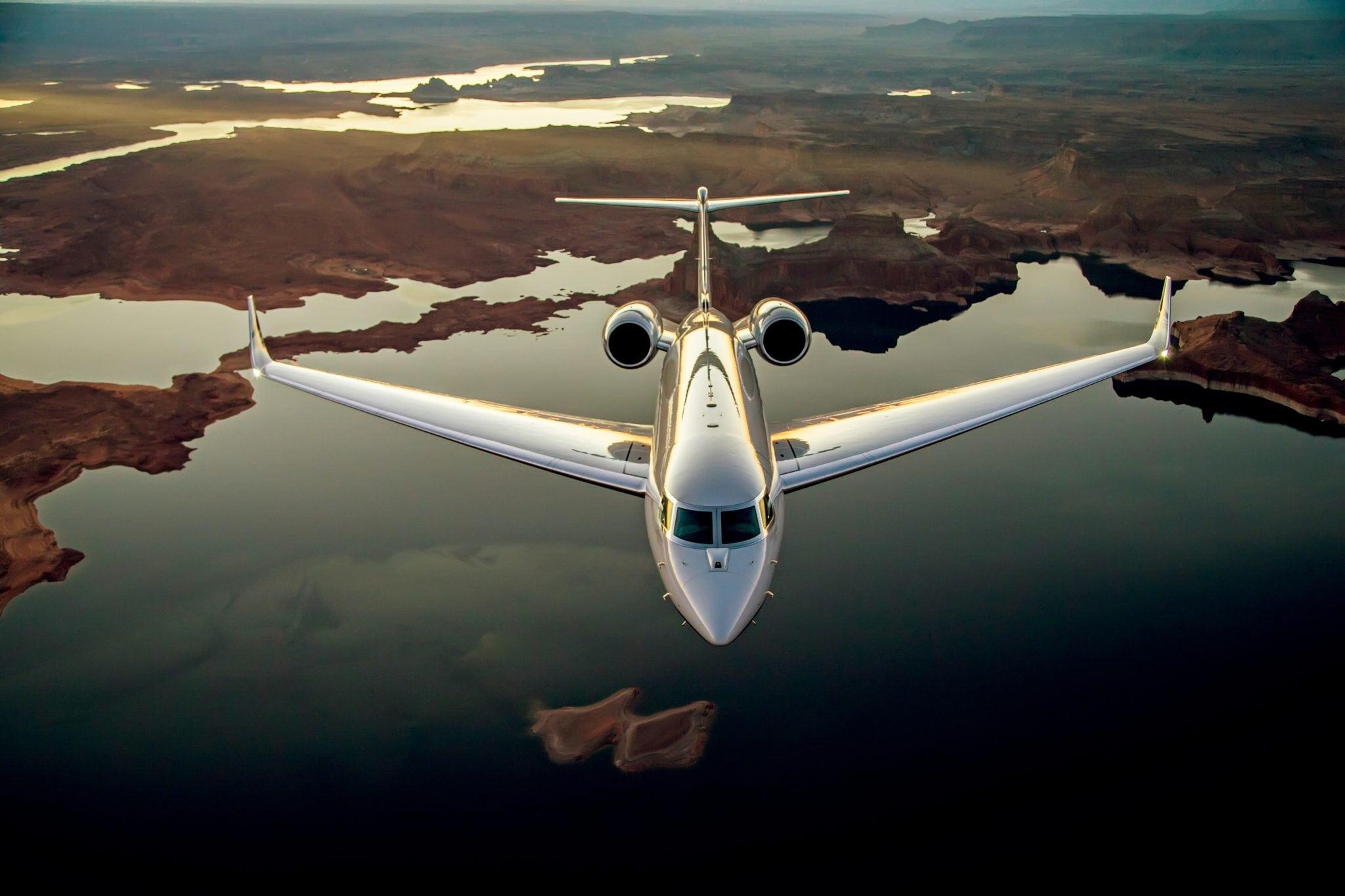
The evolution of private jet design reflects decades of innovation, responding to changing demands for luxury, efficiency, and technology. From the humble beginnings of aviation to the state-of-the-art jets of today, the journey of private jet design reveals a fascinating blend of creativity, engineering, and a relentless pursuit of excellence. This article delves into the transformation of private jet design, highlighting how it has adapted over the years to redefine the meaning of exclusivity and innovation in the skies.
The Dawn of Private Aviation
Private aviation began in the early 20th century, with designs prioritizing functionality over luxury. Early private jets were often repurposed military aircraft, stripped down for personal use by wealthy individuals or corporations. These jets lacked the comforts we associate with private aviation today, focusing instead on reliability and performance.
The 1960s marked a turning point with the introduction of the Learjet 23, one of the first aircraft specifically designed for private use. Its sleek design, compact size, and ability to fly at high speeds made it a favorite among business executives and celebrities. Although its interior was modest by today’s standards, the Learjet 23 set the stage for the luxurious designs that would follow.
The Era of Luxury Takes Flight
As private aviation grew in popularity, the demand for more luxurious and personalized interiors increased. The 1970s and 1980s saw significant advancements in cabin design, with manufacturers focusing on creating comfortable and opulent spaces. Leather seats, wood paneling, and plush carpets became standard features, reflecting the tastes of affluent clients.
This era also introduced the concept of customization. Aircraft manufacturers began offering bespoke designs, allowing clients to tailor their jets to their preferences. From color schemes to furniture layouts, every detail was crafted to reflect the owner’s personality and lifestyle. This shift marked the beginning of private jets as status symbols, showcasing wealth and exclusivity.
The Jet Age: Speed Meets Style
The late 20th century brought a focus on speed and efficiency without compromising luxury. Jets like the Gulfstream IV and Bombardier Global Express set new benchmarks in long-range travel, enabling passengers to cross continents without refueling. These aircraft featured spacious cabins with dedicated areas for work, relaxation, and dining.
Interior designers began incorporating advanced technologies, such as in-flight entertainment systems and satellite phones, to enhance the passenger experience. Seating arrangements were optimized for both productivity and comfort, catering to the needs of business travelers and leisure flyers alike. The blending of speed and style defined this transformative period in private jet design.
The Rise of Modern Aesthetics and Technology
The 21st century ushered in a new era of design, characterized by sleek, modern aesthetics and cutting-edge technology. Private jets like the Dassault Falcon 7X and Embraer Lineage 1000E redefined luxury with their spacious cabins, high ceilings, and panoramic windows. Designers embraced minimalist principles, using clean lines and neutral color palettes to create sophisticated interiors.
Technological advancements revolutionized the in-flight experience. High-speed internet, touch-screen controls, and advanced lighting systems allowed passengers to customize their environment with ease. Smart cabins equipped with sensors and automation offered a very uniqueed convenience, enabling seamless control of temperature, lighting, and entertainment.
Sustainability and Eco-Friendly Innovations
In recent years, sustainability has become a driving force in private jet design. Manufacturers are exploring ways to reduce the environmental impact of private aviation without compromising luxury. Lightweight materials such as carbon composites and recycled fabrics are now commonly used in cabin construction, improving fuel efficiency and reducing emissions.
Cabin designs are also incorporating eco-friendly features, such as energy-efficient lighting and biodegradable materials. Modular interiors allow for easy upgrades and replacements, extending the lifecycle of components and minimizing waste. These innovations reflect a growing commitment to sustainability among private jet owners and manufacturers.
Customization at Its Peak
Today, customization is at the heart of private jet design. Clients can choose from a wide range of options, from extravagant themes to understated elegance. High-net-worth individuals and corporations work closely with designers to create interiors that align with their brand, lifestyle, or personal tastes.
Virtual reality (VR) technology has become a valuable tool in the design process, allowing clients to visualize and adjust their interiors before production begins. This immersive approach ensures that every detail meets the client’s expectations, resulting in truly unique and personalized spaces.
The Integration of Smart Technologies
The integration of smart technologies has transformed private jets into flying ecosystems of connectivity and convenience. Internet of Things (IoT) devices enable real-time monitoring and control of various cabin systems, from air quality to entertainment. High-speed satellite internet allows passengers to stay connected, whether for work or leisure.
Artificial intelligence (AI) is also making its mark on private jet design. AI-powered virtual assistants can handle tasks such as adjusting settings, providing travel updates, or managing entertainment preferences. Predictive maintenance systems use AI to monitor aircraft performance, ensuring safety and reliability.
Wellness-Oriented Designs
The focus on passenger well-being has led to the incorporation of wellness-oriented features in private jets. Advanced air filtration systems, improved cabin pressurization, and humidity controls create a healthier environment, reducing fatigue and jet lag. Lighting systems that mimic natural sunlight help passengers maintain their circadian rhythms, enhancing comfort during long flights.
Biophilic design elements, such as natural textures and colors, contribute to a calming atmosphere. Some jets now include dedicated wellness zones with amenities like massage chairs, meditation spaces, and even fitness equipment. These features highlight the industry’s commitment to holistic luxury.
The Future of Private Jet Design
Looking ahead, the future of private jet design promises even greater innovation. Electric and hybrid-electric propulsion systems are set to revolutionize the industry, offering quieter, more sustainable flights. These advancements will influence interior designs, with a focus on lightweight materials and energy-efficient features.
Supersonic and hypersonic jets are also on the horizon, promising to drastically reduce travel times. Interior designs for these high-speed aircraft will prioritize comfort and safety while embracing futuristic aesthetics. Virtual and augmented reality technologies are expected to play a significant role, creating immersive and interactive in-flight experiences.
Conclusion
The transformation of private jet design from humble beginnings to the luxurious and technologically advanced interiors of today reflects a dynamic blend of innovation and artistry. As the industry continues to evolve, private jets will remain at the forefront of design and technology, offering a very uniqueed experiences that redefine the possibilities of air travel.