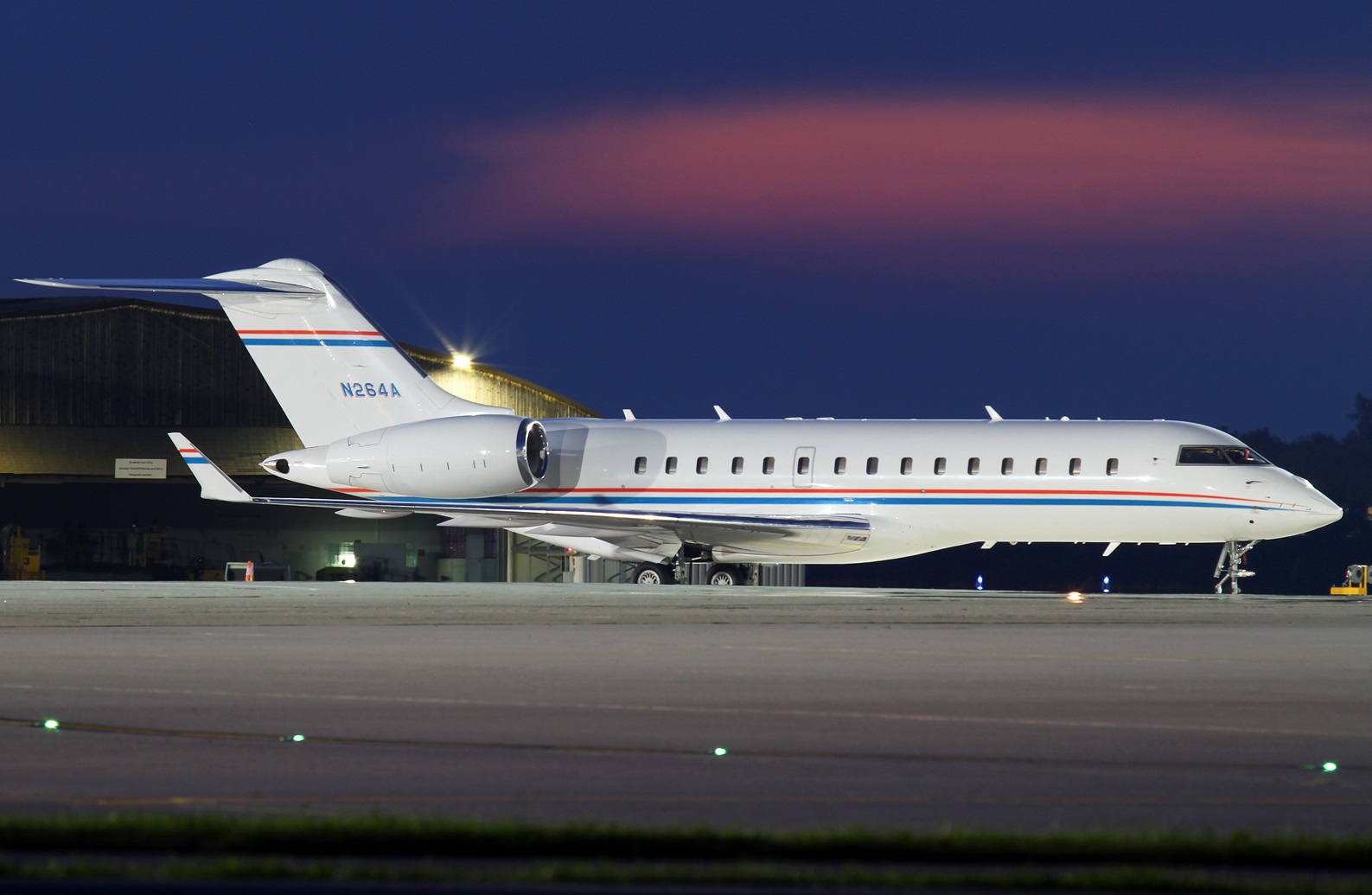
Owning a private jet is often seen as the pinnacle of success and convenience, freedom to fly wherever you want, whenever you want. But beyond the glossy image and initial financing, many owners face a surprising reality: the hidden costs of private jet ownership. From maintenance and hangar fees to crew salaries and insurance, these expenses can quickly add up and significantly affect your annual budget.
This comprehensive guide explores the true cost of owning a private jet after financing, what to expect, and how savvy owners manage these ongoing obligations effectively.
1. The Real Picture: What “Owning” a Jet Really Means
When you finance a private jet, the purchase price is only the beginning. The total cost of ownership includes ongoing operational, regulatory, and maintenance expenses. Whether you own a light jet, midsize jet, or long-range aircraft, these costs can vary dramatically.
For example:
-
A $10 million jet might require over $800,000 to $1.5 million annually to operate.
-
Even a smaller aircraft, like a light jet, can still demand $300,000 to $600,000 per year in running expenses.
That’s why financial institutions and aviation consultants often emphasize a “lifecycle cost analysis” before buyers close their financing deals.
2. Maintenance Costs: Keeping Your Jet Airworthy
One of the most significant ongoing expenses in jet ownership is maintenance. Every flight hour brings your aircraft closer to mandatory checks and part replacements.
Key maintenance costs include:
-
Routine Inspections (A, B, C, and D checks):
Scheduled inspections can cost anywhere from $15,000 for light jets to over $100,000 for large-cabin aircraft. -
Engine Overhauls:
A single engine overhaul can exceed $250,000 – $1 million, depending on engine type and usage. -
Airworthiness Directives (ADs):
Regulatory updates or component replacements mandated by aviation authorities also add to the bill. -
Unscheduled Repairs:
Even minor issues like avionics glitches can cost tens of thousands to resolve.
Owners often enroll in maintenance programs (like JSSI or Rolls-Royce CorporateCare) to spread out these costs over time and avoid large surprise expenses.
3. Hangar Fees: Parking Comes with a Price
While some owners assume hangar space is minor, hangar and storage costs can be substantial, especially in busy airports.
Typical hangar expenses:
-
$3,000 – $5,000 per month for light and midsize jets
-
$8,000 – $15,000+ per month for large-cabin or long-range jets
-
Additional fees for heating, security, or de-icing services
Location is a big factor, hangar costs at Teterboro, LAX, or London Luton are much higher than in smaller regional airports.
Some owners offset this by leasing hangar space in less busy locations or sharing with other aircraft.
4. Crew Salaries: The Human Factor of Jet Ownership
A private jet isn’t just a machine; it requires skilled professionals to operate it safely and comfortably.
Typical annual crew costs:
-
Captain: $120,000 – $200,000
-
First Officer: $80,000 – $150,000
-
Flight Attendant (for larger jets): $60,000 – $100,000
-
Training and recurrent certification: $30,000 – $60,000 annually
These figures don’t include travel expenses, per diems, or uniforms. Some owners manage this by outsourcing flight operations to professional management companies that provide crew and handle compliance.
5. Insurance & Regulatory Compliance
Another often-overlooked expense is aviation insurance. Premiums depend on aircraft type, flight frequency, and pilot experience.
-
Hull insurance: Covers physical damage (typically 0.5–1% of hull value annually)
-
Liability insurance: Covers potential third-party damage or injury claims
-
Combined annual cost: $25,000 – $200,000 or more
In addition, regulatory compliance, like ICAO mandates, FAA inspections, or EASA certifications, requires documentation and sometimes upgrades to meet safety or noise standards.
6. Fuel Costs: The Largest Variable Expense
Fuel is typically the single biggest variable cost in jet ownership.
-
Light jets: Burn around 150–200 gallons per hour
-
Large jets: Can burn 400–600 gallons per hour
-
Fuel price: Averages $5–$7 per gallon, depending on region and supplier
A single long-range flight from New York to London could cost over $30,000 in fuel alone.
Owners often use fuel membership programs or contract fuel providers to get discounts and reduce variability.
7. Management & Administrative Fees
If you’re not personally managing the aircraft, you’ll likely hire an aircraft management company.
These companies handle crew scheduling, maintenance, hangar coordination, and regulatory compliance.
-
Monthly management fees: $5,000 – $15,000+
-
Additional charter revenue sharing (if you lease out your jet): Typically a 70/30 split in favor of the owner.
Some owners offset costs by chartering the aircraft when not in personal use, but this increases wear and tear and maintenance needs.
8. Depreciation: The Silent Cost of Ownership
Even after financing is complete, your aircraft’s value declines over time.
Depreciation averages:
-
5–10% per year for newer jets
-
15–20% per year for older models or high-hour aircraft
Market conditions, brand reputation (e.g., Gulfstream vs Bombardier), and new technology introductions all impact resale value.
Many buyers underestimate how quickly their aircraft depreciates, often losing millions within five years.
9. Other Hidden Costs to Consider
-
Landing and handling fees: Charged per airport visit, typically $200–$1,000
-
Navigation and communication fees: Especially on international routes
-
Catering and passenger services: $200–$1,000+ per flight
-
Cleaning and detailing: Up to $2,000 per service
-
Software and avionics updates: Required periodically for compliance
These smaller line items accumulate quickly and can total tens of thousands of dollars annually.
10. How to Minimize Post-Financing Ownership Costs
While unavoidable, you can manage and optimize private jet ownership costs effectively:
-
Enroll in maintenance programs to stabilize expenses.
-
Base your aircraft strategically in regions with lower hangar and fuel prices.
-
Use a trusted management company to streamline operations and compliance.
-
Join fuel discount programs through global aviation networks.
-
Consider fractional ownership or leasing options if full-time ownership isn’t essential.
Smart financial planning turns private jet ownership from a cost center into a manageable and even profitable asset.
Conclusion
Owning a private jet offers unparalleled freedom and prestige, but the journey doesn’t end when financing does. Maintenance, hangar space, crew, and regulatory costs continue to shape the true economics of jet ownership. Understanding and planning for these hidden costs of private jet ownership ensures you enjoy the skies without financial turbulence.