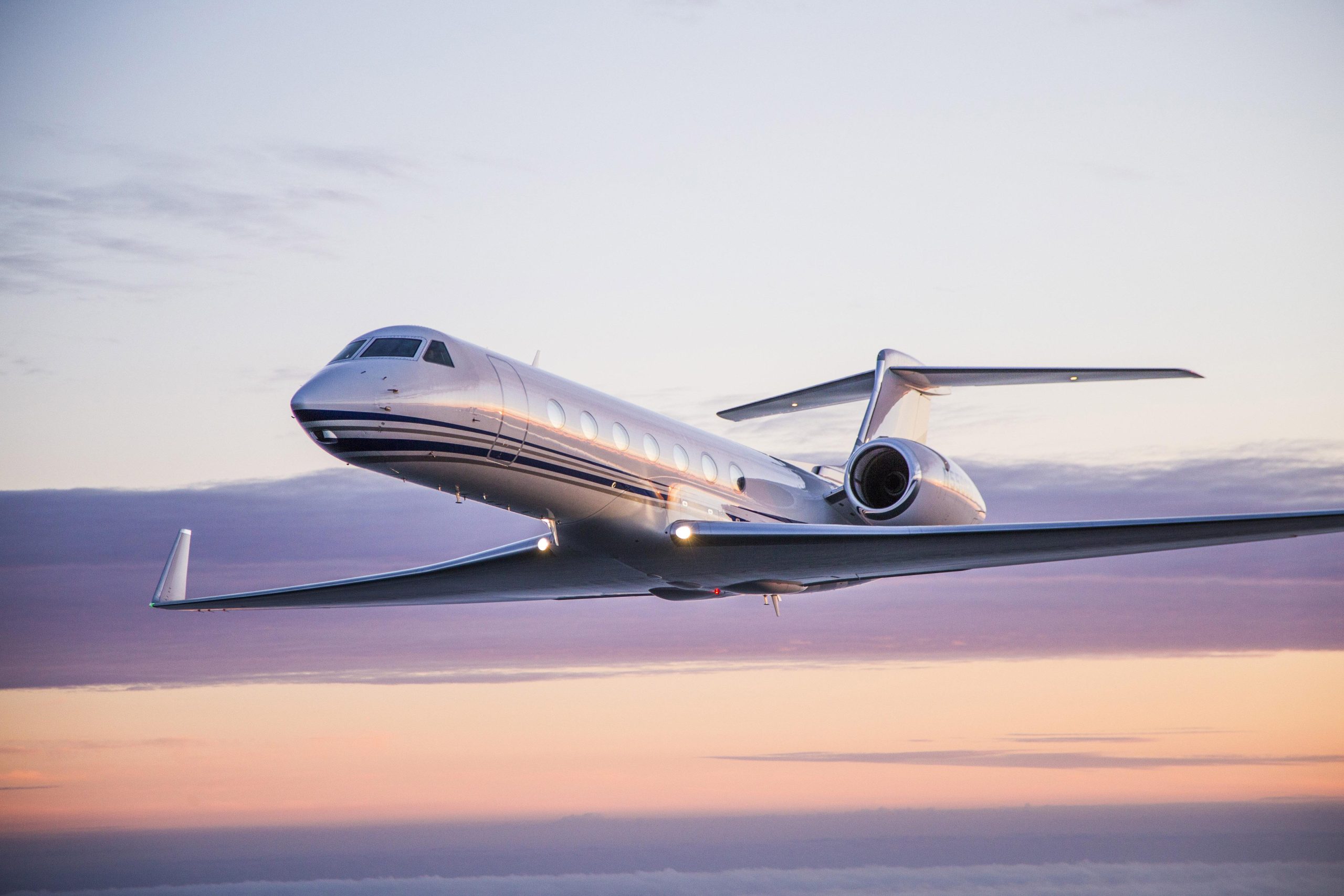
The Rise of Luxury Aviation
Over the last few decades, private jet ownership has become a symbol of success and sophistication. What once began as an elite service catering primarily to business executives and celebrities has evolved into a thriving industry. Today, luxury jets are not just about speed and reliability but also about creating a customized and exceptional experience in the skies. The demand for luxury aircraft has led to significant innovations in jet design and technology, with manufacturers pushing boundaries to create vessels that offer unparalleled performance, comfort, and style.
Benchmarking Elite Jet Features
To fully appreciate the artistry behind luxury jets, it is important to consider the key features that define the top-tier models. While each model offers unique attributes, the following factors are common across the most prestigious jets:
- Performance Metrics: Speed, Range, and Efficiency
Performance remains one of the most critical aspects of luxury jets. Elite jets are engineered to offer exceptional speed and long-range capabilities, enabling them to fly non-stop across continents. For example, jets like the Gulfstream G650ER can reach speeds of up to Mach 0.925 and cover distances of up to 7,500 nautical miles without refueling. These jets are designed for maximum efficiency, with advanced engines that provide better fuel economy while still maintaining high speeds.
- Cabin Design: Comfort and Customization
When it comes to luxury, the interior design of the jet is where manufacturers truly showcase their creativity. A high-end jet cabin is more than just a space to relax; it is an extension of personal style and a reflection of the owner’s taste. Jet manufacturers, such as Bombardier, Dassault, and Gulfstream, offer clients a wide array of customization options to create a personalized environment. From plush leather seating to bespoke wood paneling and sophisticated lighting, every detail is carefully crafted to create an ambiance of comfort and luxury.
One of the most notable trends in jet interior design is the use of large, panoramic windows that provide breathtaking views of the world below. Some of the most exclusive jets also feature full-sized bedrooms, spa-like bathrooms, and conference rooms, transforming the cabin into a fully functional and luxurious living space in the sky.
- Technology and Entertainment Systems
The integration of cutting-edge technology is another hallmark of elite jets. Modern jets come equipped with state-of-the-art entertainment systems, including high-definition screens, surround sound, and the latest in connectivity technology. In-flight Wi-Fi allows passengers to remain connected to the outside world, even while soaring high above it. The availability of satellite TV, on-demand movies, and video conferencing facilities ensures that passengers are never bored, regardless of the length of the flight.
Furthermore, advanced cockpit technology has made flying safer and more efficient. Pilots now have access to real-time data, allowing them to optimize flight paths and adjust settings for maximum comfort and fuel efficiency.
- Privacy and Security
For many luxury jet owners, privacy and security are paramount. Many of the top models feature specially designed cabins with soundproof walls, ensuring that passengers can relax and conduct business in absolute privacy. The inclusion of secure communication systems and encrypted networks ensures that sensitive conversations remain confidential during the flight.
Furthermore, luxury jets often come with a highly trained crew dedicated to providing a secure and personalized experience. From private security personnel to concierge services, these jets are equipped to meet the specific needs of their passengers.
- Eco-Friendly Designs and Sustainability
In recent years, there has been a growing emphasis on sustainability within the luxury aviation industry. Leading manufacturers have been working to develop eco-friendly jets that minimize the environmental impact of air travel. Aircraft such as the Gulfstream G500 and G600 are designed with fuel-efficient engines and lightweight materials, allowing them to consume less fuel and reduce carbon emissions.
Some manufacturers are also exploring alternative fuel sources and hybrid-electric engines as part of their commitment to creating more sustainable aviation solutions.
Top Models in Luxury Aviation
Now that we have explored the key features that define luxury jets, let’s take a closer look at some of the top models currently dominating the market.
- Gulfstream G700
The Gulfstream G700 is one of the most anticipated luxury jets in recent years. With a range of 7,500 nautical miles and a cruising speed of Mach 0.925, it is one of the most advanced private jets ever built. The G700 features a spacious cabin with multiple configurations, including a dining area, conference room, and a master suite. Passengers can enjoy large windows and customizable lighting, which creates a relaxing and serene atmosphere.
- Bombardier Global 7500
The Bombardier Global 7500 is another elite jet that has garnered attention for its remarkable performance and luxurious interior. With a range of 7,700 nautical miles, it is designed for long-haul flights, making it an ideal choice for business executives and those looking for a home-like experience in the sky. The interior features large windows, a full-sized galley, and a spacious master suite complete with a full-size bed and private shower.
- Dassault Falcon 8X
The Dassault Falcon 8X is renowned for its ability to combine performance with luxury. With a range of 6,450 nautical miles and a top speed of Mach 0.90, it is one of the fastest and most fuel-efficient jets in its class. The cabin can be customized to suit individual preferences, offering a choice of elegant design options, including plush seating, wood paneling, and advanced lighting systems.
- Embraer Lineage 1000E
The Embraer Lineage 1000E is a wide-body jet that offers unparalleled space and comfort. It features a range of 4,600 nautical miles and boasts a luxurious interior with five distinct living zones. These zones include a spacious lounge, dining area, office space, master bedroom, and an entertainment area. The jet’s design focuses on maximizing cabin space while ensuring that passengers have access to the latest entertainment and connectivity systems.
Future Trends in Luxury Aviation
As we look to the future, several trends are poised to shape the luxury aviation industry.
- Sustainability and Green Aviation
With growing concerns about climate change, the luxury aviation industry is investing heavily in developing sustainable technologies. The push for more eco-friendly jets is becoming more pronounced, with companies working on reducing the carbon footprint of private aviation. The use of biofuels, electric propulsion systems, and more efficient engines are all part of this movement toward greener air travel.
- Increased Customization and Personalization
As competition among manufacturers intensifies, the demand for highly personalized and customized jet interiors is expected to grow. Passengers will have even more control over the design of their cabins, from furniture selection to the color palette and layout. Manufacturers are expected to offer more flexible configurations to meet the specific needs of each client.
- Advanced Connectivity and In-Flight Entertainment
The demand for seamless connectivity is expected to rise, with passengers wanting to stay connected to the world while in the air. Future jets will feature even more advanced communication systems, allowing passengers to enjoy high-speed internet, video conferencing, and interactive entertainment. In-flight entertainment systems will continue to evolve, offering immersive experiences like virtual reality and gaming.
- Electric and Hybrid Jets
With an increasing focus on sustainability, electric and hybrid aircraft are likely to play a bigger role in the future of luxury aviation. These jets promise to reduce carbon emissions and operational costs, offering a more sustainable alternative to traditional jet engines. As technology improves, we may see more electric jets in the luxury segment, offering shorter-range but more efficient flights.
Conclusion
High-altitude artistry in the world of luxury jets is a blend of cutting-edge technology, impeccable design, and an unmatched level of comfort and personalization. As elite jets continue to evolve, the future of air travel is set to offer even more refined and sustainable options for the world’s most discerning travelers. From performance to design and beyond, the benchmark for luxury aviation has never been higher, and the sky is truly the limit for what these jets can offer.