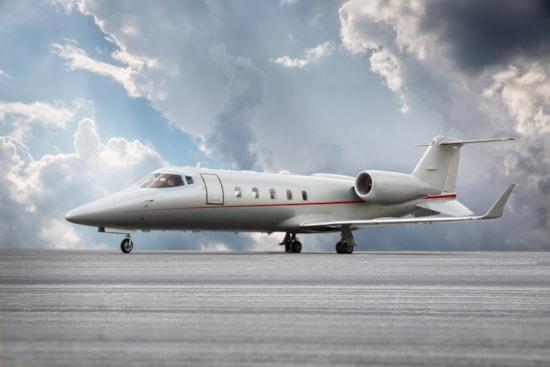
Luxury Travel Private Jet Privatejetia 23
Private jet travel has always been associated with luxury, speed, and flexibility. However, one area that has traditionally posed challenges in the private aviation industry is flight scheduling. Scheduling private jet flights can be a complex process, involving various factors such as crew availability, aircraft maintenance, weather conditions, and passenger preferences. But with the advent of artificial intelligence (AI), private jet flight scheduling is undergoing a dramatic transformation. In this article, we’ll explore how AI is set to revolutionize this crucial aspect of private jet travel, making the entire process faster, more efficient, and highly personalized.
The Challenges of Traditional Private Jet Flight Scheduling
Traditional methods of private jet scheduling have long been time-consuming and prone to errors. A typical scheduling process involves multiple phone calls, emails, and back-and-forth communication between flight planners, pilots, and passengers. This manual system can lead to delays, missed opportunities, and even mistakes in scheduling that can affect the overall travel experience.
In addition, there are often unforeseen factors, such as weather conditions or air traffic, that can complicate flight planning. Flight planners need to continuously monitor these variables to ensure the flight schedule remains on track. Moreover, managing crew availability and ensuring the aircraft is in optimal condition adds another layer of complexity to the process.
The Role of AI in Flight Scheduling
AI is poised to change all of this by automating and streamlining the entire flight scheduling process. By leveraging machine learning and real-time data analysis, AI can optimize every step of the scheduling process, making it faster, more reliable, and more personalized. Here’s how AI is set to revolutionize private jet flight scheduling:
- Real-Time Data Integration for Optimized Scheduling
One of the key advantages of AI is its ability to process real-time data from multiple sources. AI systems can automatically collect and analyze data on weather conditions, air traffic, flight paths, and maintenance schedules, and use this information to create the most efficient flight schedules. With AI, scheduling doesn’t just rely on static data, but continuously adjusts based on changing conditions.
For example, AI can track live weather patterns, predicting any delays or turbulence along the planned route. If bad weather is approaching, the system can adjust the schedule by either rescheduling the flight to a safer time or choosing an alternative route to avoid disruptions. This real-time adjustment ensures that private jet flights are more reliable and less likely to be delayed due to unpredictable factors.
- Optimized Aircraft and Crew Allocation
AI can also help manage the availability of aircraft and crew more efficiently. Traditional flight scheduling often requires a human scheduler to manually check the availability of both pilots and planes, which can lead to errors and inefficiencies. With AI, the system can automatically match available aircraft with the required crew, ensuring that the right resources are assigned to each flight.
AI systems can analyze a wide range of variables, such as crew hours, pilot qualifications, and aircraft maintenance schedules, to ensure that everything is in place for a successful flight. Additionally, AI can predict when certain aircraft might need maintenance based on usage patterns and suggest optimal times for service, minimizing the risk of unexpected downtime and ensuring that the fleet is always ready for use.
- Personalized Scheduling Based on Passenger Preferences
One of the most exciting aspects of AI in private jet scheduling is its ability to personalize the scheduling experience for each passenger. AI systems can learn from previous trips, gathering data on passenger preferences such as preferred flight times, desired catering options, and in-flight amenities. By analyzing this information, AI can offer customized flight schedules that align perfectly with a passenger’s specific needs.
For instance, if a frequent traveler prefers to depart in the morning to avoid traffic delays, the AI system can automatically schedule the flight at their preferred time. Furthermore, the system can even adjust flight times based on the passenger’s real-time location, ensuring that the jet is ready and waiting when they arrive at the airport.
AI can also manage preferences related to the crew. If a passenger prefers a particular pilot or flight attendant, AI can take this into account when scheduling flights. This level of personalization ensures a seamless and customized experience for every traveler.
- Faster Booking Process
Traditional flight scheduling often requires passengers to make multiple calls or wait for hours to confirm a booking. With AI, passengers can book their private jet flights in just a few clicks. AI-powered booking platforms can instantly check aircraft availability, crew schedules, and other factors to provide passengers with real-time options for their desired flight. This instant booking capability drastically reduces the time it takes to finalize a flight schedule and eliminates the need for back-and-forth communication with flight planners.
Moreover, AI can automatically send updates or reminders about flight changes, cancellations, or adjustments, ensuring that passengers are always in the loop. This helps reduce confusion and keeps everyone informed in real-time.
- Predictive Maintenance and Scheduling Efficiency
Another area where AI is making a huge impact is in predictive maintenance. AI systems can continuously monitor an aircraft’s condition, tracking key metrics such as engine performance, fuel levels, and equipment wear and tear. By analyzing this data, AI can predict when an aircraft is likely to need maintenance, allowing operators to schedule repairs before problems arise.
This predictive maintenance reduces the likelihood of unexpected breakdowns that could delay or cancel flights. It also allows private jet operators to plan maintenance during off-peak hours, ensuring that the aircraft remains operational without disrupting the flight schedule.
- Cost-Effective Scheduling
AI also makes flight scheduling more cost-effective by reducing inefficiencies. Traditionally, flight schedulers often have to spend hours manually managing schedules and dealing with logistical issues. With AI, the entire process is automated, allowing flight operators to allocate their resources more effectively and reduce labor costs. Additionally, AI can identify areas where flights could be consolidated or rescheduled to optimize fleet utilization, further reducing operating expenses.
The Future of AI in Private Jet Flight Scheduling
As AI continues to evolve, its role in private jet flight scheduling will only grow more significant. The ability to integrate with smart airports, autonomous flight systems, and other advanced technologies will create an even more seamless travel experience. Imagine a future where AI can manage end-to-end travel, from booking to landing, with all variables considered in real-time. Passengers could receive personalized flight schedules based on their preferences, airport traffic, and even local events, while AI ensures that every aspect of the flight is perfectly coordinated.
The rise of AI-powered flight scheduling also paves the way for more sustainable aviation. By optimizing aircraft usage and minimizing fuel consumption, AI can help private jets operate more efficiently, reducing their environmental impact. This aligns with the growing demand for greener travel options and sustainability within the aviation industry.
Conclusion
AI is set to revolutionize private jet flight scheduling, making it faster, more efficient, and highly personalized. From real-time data integration and optimized crew allocation to predictive maintenance and instant booking, AI is transforming how private jets operate. By offering customized scheduling options based on passenger preferences and ensuring smoother, more reliable flights, AI is not only enhancing the passenger experience but also improving operational efficiency and sustainability. As AI continues to evolve, we can expect even more advanced features to emerge, shaping the future of private jet travel for years to come.


