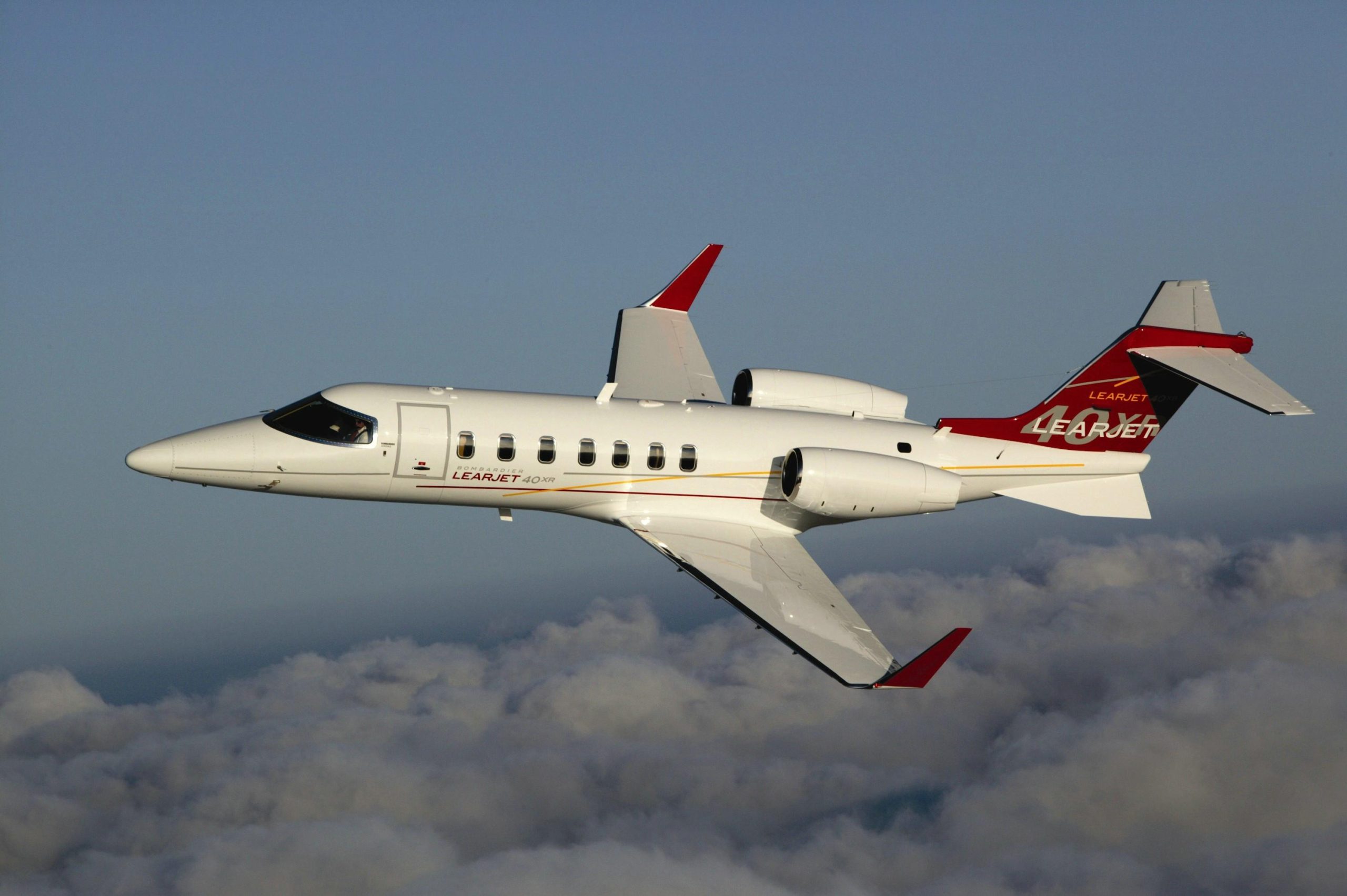
Private jet travel has long been associated with luxury, convenience, and exclusivity. Offering an a very uniqueed level of comfort and flexibility, private jets have become the preferred mode of travel for high-net-worth individuals, business executives, and celebrities. However, as technology continues to evolve, the private aviation industry is embracing new innovations to enhance the flying experience even further. One such innovation is augmented reality (AR), a transformative technology that is revolutionizing the way passengers and crew interact with their environment during flights. In this article, we will explore how augmented reality is enhancing private jet travel, from improving passenger experience to streamlining operations and increasing safety.
What is Augmented Reality?
Augmented reality (AR) is an interactive technology that overlays digital information, such as images, sounds, and data, onto the real world. Unlike virtual reality (VR), which creates an entirely immersive environment, AR enhances the user’s perception of their physical surroundings by adding digital elements in real-time. AR can be experienced through various devices, such as smartphones, tablets, smart glasses, and AR-enabled headsets. In the context of private jet travel, AR is used to improve both the passenger and crew experience, providing real-time, context-sensitive information and interactive features that enhance the overall flight experience.
As AR technology continues to advance, its applications in private aviation are expanding, offering unique opportunities to redefine how passengers engage with their surroundings and how flight operations are conducted.
Improving Passenger Experience with Augmented Reality
One of the primary ways that augmented reality is enhancing private jet travel is by improving the overall passenger experience. AR can make the flight more enjoyable, personalized, and efficient, offering a range of services and features that cater to the needs and preferences of the traveler.
In-Flight Entertainment and Interactive Features
AR is transforming the way passengers interact with in-flight entertainment. Traditional entertainment systems typically rely on screens that display movies, television shows, and games. However, AR takes this experience to the next level by creating interactive, immersive experiences that engage passengers in new ways. For example, AR can turn a window into an interactive display, allowing passengers to view real-time information about the landscape they are flying over, such as geographical landmarks or points of interest below. Some private jets are even equipped with AR-enabled headsets, which provide an immersive virtual experience for passengers, offering everything from virtual tours to gaming experiences.
By adding a layer of interactivity to the flight, AR enhances the entertainment experience, providing a more engaging and personalized way to pass the time. Passengers can choose to explore the world around them through AR or engage with entertainment content in a more dynamic and immersive way. This makes the flight more enjoyable, especially on long-haul journeys.
Personalized Services with AR
One of the key benefits of flying privately is the ability to receive personalized services customized to the passenger’s preferences. Augmented reality is enhancing this level of customization by allowing passengers to interact with their surroundings and request services more efficiently. For example, through AR-enabled devices, passengers can view the cabin layout and easily identify where specific amenities are located, such as the bar, lavatories, or lounging areas. They can also request personalized services, such as adjusting the lighting, temperature, or entertainment options, all through an intuitive AR interface.
In addition to improving service delivery, AR can be used to provide real-time information about the flight, such as the estimated time of arrival, altitude, or weather conditions at the destination. For business travelers, AR can display important documents and notifications directly in their line of sight, allowing them to stay productive during the flight. This seamless integration of technology into the passenger experience makes private jet travel even more convenient and personalized.
Virtual Concierge Services
Augmented reality is also enabling the rise of virtual concierge services in private jet cabins. Virtual concierge systems powered by AR can assist passengers with a range of requests, from booking ground transportation and arranging catering to providing information about the destination. Instead of relying on flight attendants or crew members to fulfill these requests, passengers can use AR interfaces to access a range of services at their fingertips.
For example, through an AR-powered tablet or headset, a passenger can view a virtual menu of catering options, choose their preferred meal, and have it delivered directly to their seat. Similarly, AR can be used to provide real-time information about available amenities and services in the airport, such as VIP lounges or customs procedures. By offering a seamless and intuitive way to access services, AR ensures that the passenger’s needs are met quickly and efficiently.
Streamlining Operations and Enhancing Crew Experience
While augmented reality is enhancing the passenger experience, it is also playing a crucial role in improving the efficiency and effectiveness of flight operations. For private jet operators and crew members, AR provides valuable tools that streamline workflows, improve safety, and increase operational efficiency.
AR for Aircraft Maintenance and Inspections
One of the most promising applications of augmented reality in private aviation is in aircraft maintenance and inspections. Traditional aircraft inspections involve manual checks of various components, which can be time-consuming and prone to human error. AR is revolutionizing this process by enabling real-time, hands-free guidance for maintenance crews.
AR devices, such as smart glasses, can overlay digital instructions and schematics onto the physical aircraft, providing technicians with step-by-step guidance on where to inspect or repair specific components. For example, if a technician needs to inspect the engine of a private jet, the AR system can display detailed diagrams and instructions directly on the engine, highlighting areas that need attention. This reduces the likelihood of oversight and ensures that inspections are conducted more efficiently.
AR can also streamline the process of documenting and reporting maintenance issues. Rather than manually logging issues on a clipboard or tablet, technicians can use AR systems to capture relevant data, such as photos or videos of faulty components, directly within the system. This data can then be instantly shared with other team members or maintenance facilities, ensuring that any issues are addressed promptly and accurately.
Enhancing Pilot Training and Situational Awareness
In addition to improving maintenance, augmented reality is also enhancing pilot training and situational awareness. AR systems can be used in flight simulators to create realistic, immersive training environments that allow pilots to practice handling various scenarios, such as adverse weather conditions or emergency situations. These simulations can be customized to reflect real-world scenarios, giving pilots the opportunity to gain experience and confidence in a safe, controlled environment.
During actual flights, AR is helping pilots maintain situational awareness by providing real-time information about the aircraft’s systems, surroundings, and flight conditions. For example, AR heads-up displays (HUDs) can project critical flight data, such as altitude, speed, and heading, directly onto the pilot’s visor or windshield, allowing them to access important information without taking their eyes off the sky. This is especially useful during critical phases of flight, such as takeoff, landing, or navigating through congested airspace.
AR can also be used to enhance navigation by overlaying digital maps and flight paths onto the pilot’s view of the outside world. This can help pilots navigate unfamiliar routes or approach airports with greater precision, reducing the risk of errors and improving safety.
Optimizing Flight Planning and Performance
AR is also playing a role in optimizing flight planning and performance. By overlaying real-time data about weather conditions, airspace restrictions, and fuel consumption onto an interactive display, AR can help flight planners make more informed decisions about the most efficient flight routes. This reduces the need for manual calculations and allows for quicker adjustments to flight plans, which can lead to reduced fuel consumption and shorter flight times.
Additionally, AR can be used to provide pilots with real-time performance data, such as engine performance or fuel burn, which can be overlaid onto their HUDs or flight displays. This allows pilots to make adjustments to flight parameters as needed, ensuring that the aircraft operates within optimal performance limits.
Enhancing Safety with Augmented Reality
Safety is always a top priority in aviation, and augmented reality is helping improve safety protocols on private jets. Through advanced AR systems, private jet operators can enhance flight safety in a variety of ways.
AR for Collision Avoidance
One of the key safety features that AR provides is enhanced collision avoidance. By integrating AR with radar and weather systems, pilots can receive real-time visual alerts about potential hazards, such as other aircraft, thunderstorms, or obstacles in the flight path. For example, AR systems can display a 3D visualization of nearby aircraft or terrain, helping pilots make informed decisions about altitude, speed, or flight paths.
In addition, AR can enhance runway safety by providing pilots with virtual guidance during landing approaches. This can include real-time information about the runway, including obstacles, weather conditions, and runway length. By providing pilots with a clear, augmented view of the runway, AR helps ensure safer landings, particularly in low-visibility conditions.
Improved Emergency Response
In the event of an emergency, augmented reality can provide critical assistance to both pilots and crew members. AR systems can display emergency procedures and step-by-step instructions directly in the crew member’s field of view, ensuring that they are able to respond quickly and correctly. For example, during an in-flight emergency, the AR system could display instructions on how to troubleshoot an engine failure or deploy emergency oxygen masks, all while keeping the crew’s hands free for other tasks.
The Future of Augmented Reality in Private Jet Travel
As augmented reality continues to evolve, its applications in private jet travel are likely to expand even further. We can expect to see more advanced AR systems that provide even greater levels of personalization, safety, and efficiency. For example, future AR systems may incorporate artificial intelligence to predict passenger preferences and provide customized recommendations for in-flight entertainment, dining, and services. Additionally, as AR technology becomes more integrated with other aviation systems, such as satellite communication and weather forecasting, it will enable even more accurate and real-time data for flight planning and operations.
The potential for AR in private aviation is vast, and as the technology matures, it will undoubtedly become a key part of the private jet travel experience, enhancing both the passenger and crew experience while improving safety and operational efficiency.
Conclusion
Augmented reality is transforming private jet travel in a multitude of ways, from enhancing the passenger experience with immersive entertainment and personalized services to streamlining flight operations and improving safety protocols. As the technology continues to advance, we can expect to see even more innovative applications that will further elevate the private aviation experience. Whether it’s providing virtual concierge services, optimizing flight planning, or improving situational awareness, augmented reality is playing an increasingly important role in shaping the future of private jet travel.