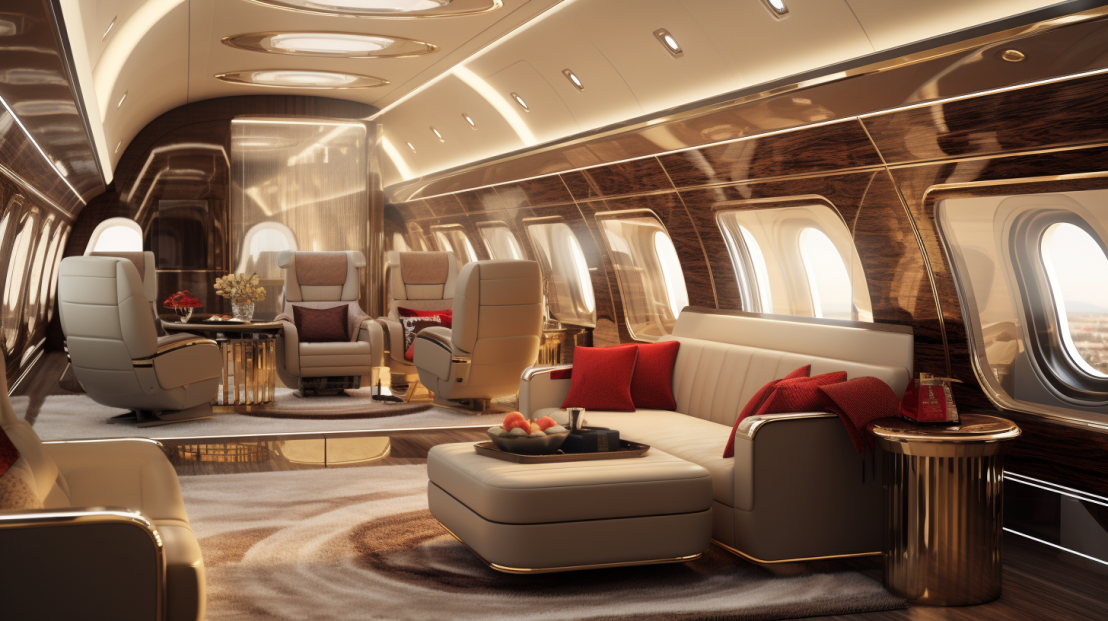
Luxury aviation is synonymous with exclusivity, sophistication, and comfort, offering an a very uniqueed travel experience for the world’s elite. But as the global landscape shifts, so too does the demand for personalization. Today, luxury aviation has transcended traditional notions of comfort and style, adapting to the diverse cultural preferences of its clientele. From the extravagant designs of private jets to the unique services offered, luxury aviation companies are increasingly focused on meeting the specific needs and values of different cultural groups.
This article explores how luxury aviation adapts to cultural preferences, examining the ways in which private jet services, aircraft designs, and in-flight experiences reflect the traditions, lifestyles, and expectations of their global customers. Whether it’s the Middle Eastern penchant for opulence, the Asian demand for discretion and tranquility, or the Western focus on modern technology and innovation, luxury aviation is constantly evolving to cater to the tastes of the rich and powerful.
The Global Reach of Luxury Aviation
Luxury aviation is no longer a privilege reserved for the Western world. Over the past few decades, private jet ownership and charter services have expanded globally, with an increasing number of wealthy individuals from the Middle East, Asia, Russia, and Latin America embracing private air travel. Each of these regions brings its own set of cultural values, influencing how luxury aviation services are designed and customized .
In the Middle East, private jet owners demand opulence and extravagance. For these clients, luxury aviation is not just about transportation, it’s about making a statement. Jets often feature plush seating, gold fixtures, and lavish interiors, reflecting the region’s cultural value of grandeur. In contrast, the Asian market places a premium on discretion and serenity. For these passengers, privacy, seamless service, and a calm atmosphere are paramount. Meanwhile, in the West, the focus is on technological innovation and efficiency, with private jets offering cutting-edge entertainment systems, optimized flight experiences, and state-of-the-art amenities.
The ability of luxury aviation to adapt to these cultural preferences is key to its continued growth and success. By understanding the unique values and needs of its diverse clientele, the private jet industry can offer an experience that is not only luxurious but also culturally relevant.
Tailoring Aircraft Design to Cultural Values
One of the most striking ways luxury aviation adapts to cultural preferences is through the design of the aircraft. Customization is at the heart of luxury aviation, with private jet owners often requesting bespoke interiors that reflect their personal tastes, cultural influences, and lifestyle.
Middle Eastern Influence: Opulence and Extravagance
In the Middle East, the cultural emphasis on hospitality, luxury, and excess is evident in the designs of private jets. Middle Eastern clients frequently request interiors that showcase opulence, think velvet seating, ornate chandeliers, gold-plated fixtures, and intricate Arabic calligraphy. These jets are often equipped with multiple private bedrooms, bathrooms, and even spa areas, ensuring that every aspect of the flight is as comfortable as possible.
The demand for lavishness extends beyond interior design to the in-flight experience itself. Middle Eastern passengers value personalized service and the ability to entertain guests in a private, luxurious setting. Many private jets in this region are designed to host gatherings, with large seating areas, entertainment systems, and dining spaces that can accommodate an entire family or business group. The customization of private jets to suit the Middle Eastern preference for grandeur ensures that clients can travel in comfort, luxury, and style, reflective of their cultural values.
Asian Influence: Serenity, Discretion, and Tranquility
In Asia, cultural preferences tend to emphasize serenity, privacy, and a calm atmosphere. This is reflected in the way private jets are designed for Asian clients. The interiors often feature minimalist designs, with clean lines, subtle color palettes, and natural materials like wood and stone that create a sense of peace and tranquility. High-end luxury, in the Asian context, doesn’t necessarily mean excess but rather the ability to provide a peaceful and seamless experience.
Privacy is a crucial aspect of luxury aviation in Asia. Many private jet owners from this region require highly secure, private environments where they can relax without disturbance. The design of the jet often includes private offices, bedrooms, and bathrooms, ensuring that the flight is as discreet as possible. In-flight service is also customized to meet the expectations of Asian clients, with an emphasis on unobtrusive, yet highly attentive, staff. From personalized in-flight entertainment to customized meal options, the goal is to create an environment where passengers can retreat from the outside world and enjoy their journey in complete privacy.
Western Influence: Innovation and Technological Integration
Western luxury aviation reflects a different set of cultural values, focusing on cutting-edge technology, efficiency, and innovation. Clients in the West demand modern, high-tech interiors that combine comfort with the latest advancements in aviation. Private jets often come equipped with advanced communication systems, high-speed internet, and sophisticated entertainment options that allow passengers to work, relax, or stay connected throughout the flight.
In Western cultures, there is also a growing emphasis on sustainable aviation. Many private jet owners are seeking eco-friendly alternatives, opting for aircraft that incorporate sustainable materials, energy-efficient technologies, and even hybrid or electric engines. The demand for environmentally responsible travel is not only a reflection of the growing global concern for the environment but also an indication of the West’s evolving approach to luxury. Western clients want to enjoy the convenience and exclusivity of private aviation while also aligning their travel choices with their ethical values.
Personalized In-Flight Services for Diverse Cultures
Luxury aviation goes beyond the design of the aircraft; it extends to the in-flight services offered to passengers. To cater to the diverse preferences of its clients, private jet companies provide highly personalized services that reflect cultural nuances.
Middle Eastern Preferences: Fine Dining and Entertainment
Middle Eastern passengers have high expectations when it comes to food and entertainment. In-flight dining is often a lavish affair, with gourmet meals prepared by top chefs and served in an elegant setting. The cuisine is customized to reflect the cultural tastes of the passengers, with an emphasis on Middle Eastern delicacies such as lamb, hummus, and fresh salads. Private jet owners from the region also appreciate a wide variety of entertainment options, ranging from traditional music to the latest Hollywood blockbusters. For these clients, the in-flight experience is an extension of the luxury and hospitality they expect in every aspect of their lives.
Asian Preferences: Tranquil, Customizable Services
For Asian clients, the emphasis is on quiet, unobtrusive service that ensures privacy while maintaining a high level of attentiveness. In-flight staff are trained to understand and respect cultural preferences, whether it’s offering a selection of fine teas or providing a quiet space for relaxation. Meals are often customized to suit dietary preferences, with an emphasis on fresh, healthy options such as sushi, dim sum, and vegetarian dishes. The focus on wellness and serenity extends to the entire flight experience, with options for meditation, yoga, or even personalized aromatherapy sessions designed to help passengers unwind during the journey.
Western Preferences: Technological Convenience and Efficiency
Western passengers often prioritize efficiency, convenience, and technology when flying privately. From the moment they board, the focus is on ensuring a smooth, seamless experience. In-flight services include high-speed internet access, virtual assistants, and the ability to adjust the environment according to the passenger’s preferences. Whether it’s controlling the temperature, lighting, or entertainment systems, Western clients value the ability to personalize every aspect of their flight experience. Additionally, many Western passengers prefer to have a variety of international food options available, catering to different tastes and dietary needs.
The Future of Luxury Aviation and Cultural Adaptation
As the world becomes more interconnected and culturally diverse, luxury aviation will continue to evolve in response to the preferences of its elite clientele. The demand for personalized, culturally sensitive services will only increase, with private jet companies working hard to anticipate and cater to the specific needs of their customers.
Emerging technologies, such as artificial intelligence and biometrics, will play a key role in enhancing the customization of luxury aviation. AI can help predict passenger preferences based on past flights, making the travel experience even more customized and seamless. Additionally, the focus on sustainability will continue to grow, with clients from all cultures increasingly seeking eco-friendly options without compromising on luxury.
In the coming years, luxury aviation will further refine its offerings to accommodate cultural differences, ensuring that clients from every corner of the globe feel at home while traveling. Whether through bespoke interiors, customized services, or technological advancements, the future of luxury aviation lies in its ability to adapt to the ever-changing needs and preferences of its global clientele.
Conclusion
Luxury aviation is a dynamic and rapidly evolving industry, one that is increasingly shaped by the cultural preferences of its clients. From the extravagant designs favored by the Middle Eastern elite to the serene and discreet services demanded by Asian passengers, luxury aviation has proven itself capable of adapting to diverse cultural values. Western clients, on the other hand, drive the demand for technological innovation and efficiency, seeking a modern, streamlined travel experience.
As global wealth continues to shift and cultural diversity grows, the ability to tailor private jet experiences to meet the unique needs of different regions will become even more critical. For the luxury aviation industry, understanding and respecting cultural preferences is not just about offering a personalized service, it’s about ensuring that clients feel valued, understood, and catered to. By embracing these cultural nuances, the future of luxury aviation will remain as luxurious and diverse as the passengers it serves.