Private Jet PrivateJetia 032
As the demand for private jet travel continues to grow, so too does the need for more sustainable and fuel-efficient aircraft. The aviation industry has long been scrutinized for its environmental impact, with fuel consumption and emissions being significant contributors. However, the landscape of private aviation is changing, with manufacturers and operators investing heavily in technology and design to make private jets more fuel-efficient, eco-friendly, and cost-effective. This article delves into the latest advancements in fuel efficiency within the private jet sector, exploring how modern aircraft are becoming more sustainable, reducing their carbon footprint, and leading the way toward a greener future in aviation.
In the past, private aviation was often seen as an industry that was inherently wasteful in terms of fuel consumption, with aircraft burning significant amounts of fuel to offer convenience and luxury to passengers. However, the modern private aviation industry is transforming, and fuel efficiency is now a key priority for both manufacturers and operators. By adopting innovative technologies, utilizing new materials, and improving flight operations, private jets are becoming more environmentally friendly, helping to reduce emissions, lower operating costs, and contribute to the broader goals of sustainability.
1. The Growing Demand for Fuel-Efficient Private Jets
The demand for private jet travel has seen a notable increase in recent years, with more people opting for the convenience, flexibility, and privacy offered by these aircraft. However, this growth has also come with a heightened awareness of the environmental impact of aviation. As the world becomes more conscious of climate change and the need to reduce carbon emissions, the private aviation sector is under pressure to improve its sustainability practices.
For private jet companies and manufacturers, this has led to a significant shift in priorities. While fuel efficiency was once an afterthought, it is now a central focus in the design, production, and operation of private jets. The goal is to reduce both the environmental impact and the operational costs associated with jet travel. As fuel prices continue to rise and regulations around emissions become stricter, the push for more fuel-efficient private jets has never been more critical.
2. The Role of Advanced Engine Technology
One of the most significant contributors to fuel efficiency in private jets is the advancement of engine technology. Modern jet engines are far more efficient than their predecessors, thanks to innovations in materials, aerodynamics, and performance capabilities. The latest jet engines are designed to maximize fuel efficiency while reducing emissions, noise, and other environmental impacts.
2.1 High-Bypass Turbofan Engines
High-bypass turbofan engines are the primary type of engine used in modern private jets. These engines are more efficient than older turbojet engines because they move a larger amount of air around the engine core, reducing the amount of fuel needed to generate thrust. By increasing the bypass ratio, which is the amount of air that bypasses the engine core relative to the amount of air that passes through the core, manufacturers can increase engine efficiency and reduce fuel consumption.
High-bypass turbofan engines offer several key advantages, including better fuel economy, reduced noise, and lower emissions. These engines can achieve a higher thrust-to-fuel consumption ratio, making them ideal for long-range private jets that need to cover vast distances without frequent refueling.
2.2 Turbojet and Turboprop Engines for Shorter Flights
While high-bypass turbofan engines are the preferred choice for long-haul private jets, turbojet and turboprop engines are still used in smaller, shorter-range jets. These engines are designed for efficiency in specific flight conditions, such as short takeoffs and landings, lower speeds, and shorter distances.
Turboprop engines, in particular, offer excellent fuel efficiency for smaller aircraft, as they rely on propellers to generate thrust rather than jet engines. This makes them an ideal choice for short regional flights where fuel economy is a priority. Some of the latest turboprop models are designed to be incredibly fuel-efficient, using advanced materials and aerodynamic designs to reduce fuel consumption and emissions.
3. Aerodynamic Enhancements and Aircraft Design
Improving the aerodynamics of a private jet is another critical factor in enhancing fuel efficiency. Aircraft design has evolved significantly over the years, with manufacturers using advanced computational fluid dynamics (CFD) to create more aerodynamically efficient shapes. The goal is to reduce drag, improve lift, and optimize fuel consumption during flight.
3.1 Wing Design Innovations
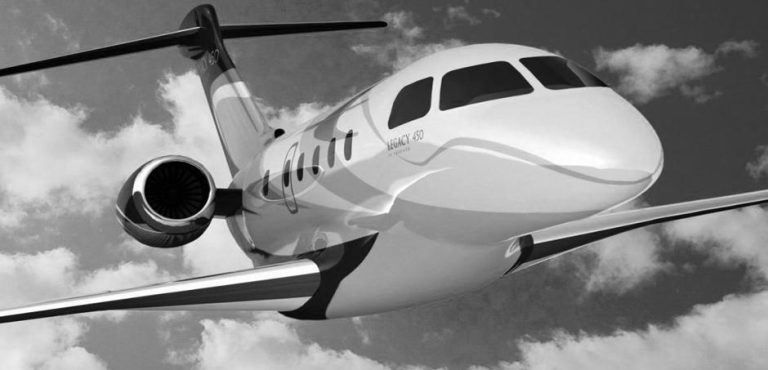
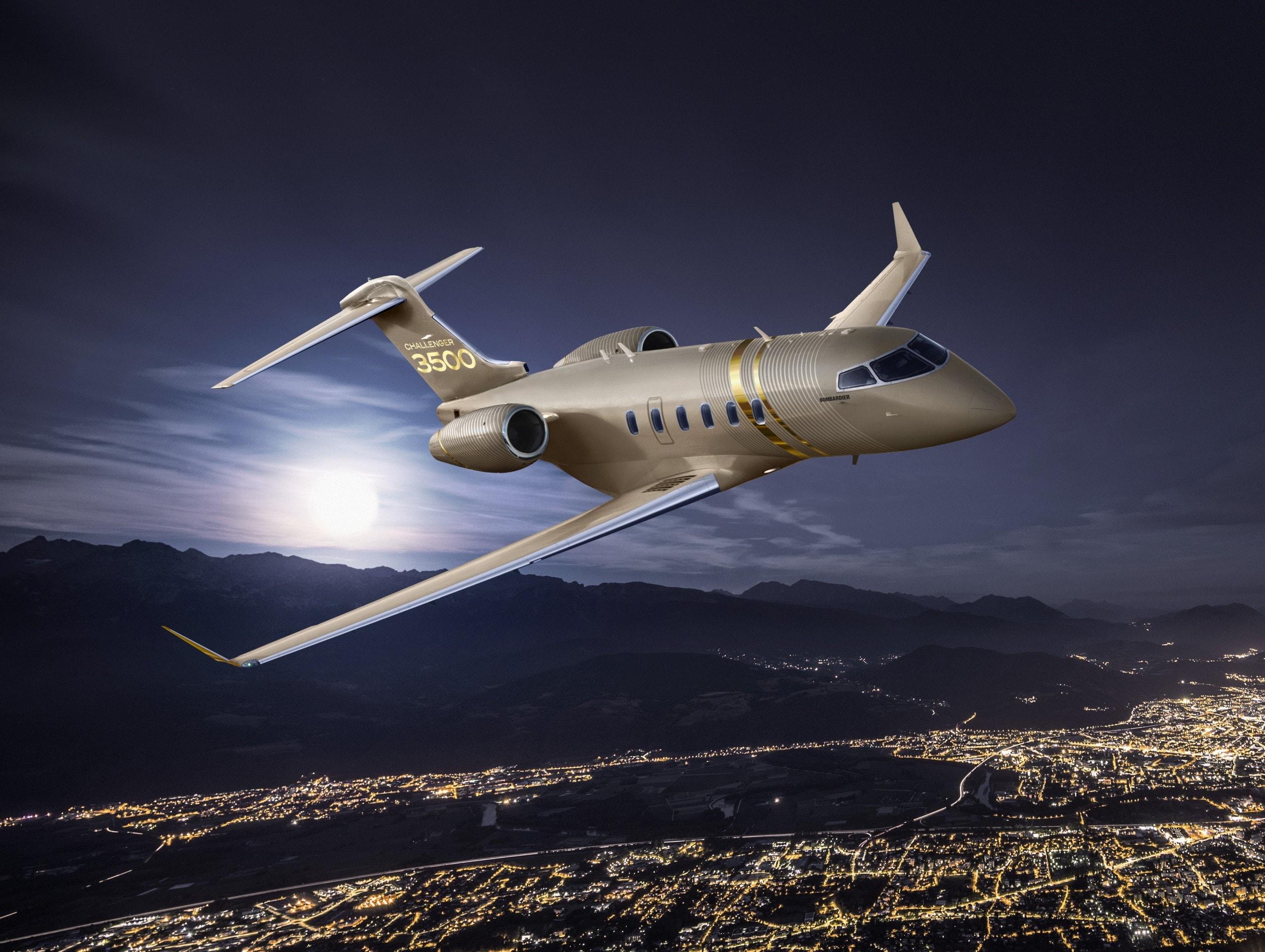
One of the key areas where private jets have seen significant improvements in fuel efficiency is in wing design. Modern private jets feature wings that are designed to reduce drag and improve aerodynamics. For example, the use of winglets, small, upward-turning extensions at the tips of the wings, helps reduce vortex drag, which is caused by air turbulence at the wingtips. Winglets help to reduce fuel consumption by improving the aircraft’s aerodynamic efficiency, making it more fuel-efficient during cruise flight.
In addition to winglets, some private jets are equipped with advanced wing designs that feature variable geometry, allowing the wings to adjust during flight for optimal fuel efficiency. By altering the shape of the wings based on flight conditions, these aircraft can reduce drag, improve lift, and enhance overall performance, further boosting fuel efficiency.
3.2 Lightweight Materials and Construction
Another important factor in reducing fuel consumption is the weight of the aircraft. The lighter the aircraft, the less fuel it requires to stay airborne. Modern private jets are being constructed using lightweight materials such as carbon fiber composites, titanium, and advanced alloys that reduce the overall weight of the aircraft while maintaining strength and safety standards.
The use of lightweight materials not only reduces fuel consumption but also enhances the overall performance of the aircraft. With a lighter structure, private jets can achieve higher speeds, better fuel efficiency, and improved handling, all of which contribute to a more cost-effective and sustainable flight experience.
4. Sustainable Aviation Fuels (SAFs)
In recent years, there has been a growing interest in Sustainable Aviation Fuels (SAFs) as an alternative to traditional jet fuel. SAFs are produced from renewable sources, such as biomass, agricultural waste, or synthetic fuels derived from carbon capture technologies. These fuels are designed to reduce the carbon emissions associated with aviation by providing a more sustainable alternative to conventional fossil fuels.
4.1 The Benefits of SAFs
One of the primary benefits of SAFs is their ability to reduce carbon emissions. When SAFs are used in place of traditional jet fuel, they can cut greenhouse gas emissions by up to 80%, depending on the feedstock and production methods used. SAFs are also compatible with existing jet engines, meaning they can be used in current private jets without requiring any significant modifications to the aircraft or fuel systems.
In addition to reducing carbon emissions, SAFs can help mitigate other environmental impacts associated with aviation, such as particulate matter and nitrogen oxide emissions. As the production of SAFs becomes more scalable, it is expected that their use will become more widespread across the aviation industry, helping to reduce the overall carbon footprint of air travel.
4.2 Challenges in SAF Adoption
Despite the clear benefits of SAFs, there are still several challenges to their widespread adoption in the private aviation sector. One of the primary obstacles is the cost. SAFs are currently more expensive to produce than traditional jet fuel, which makes them a less attractive option for private jet operators looking to minimize operating costs. However, as technology improves and production volumes increase, the cost of SAFs is expected to decrease, making them more accessible to the private aviation market.
Another challenge is the availability of SAFs. While several airports around the world now offer SAFs, they are still not widely available at all airports, particularly in remote or less-developed regions. As the demand for SAFs grows, infrastructure improvements will be necessary to ensure that these fuels are readily available to private jet operators worldwide.
5. Optimized Flight Operations and Fuel Efficiency
In addition to advancements in aircraft design and technology, fuel efficiency in private aviation can also be improved through optimized flight operations. Private jet operators are increasingly using data analytics, flight management systems, and advanced flight planning tools to minimize fuel consumption and improve overall efficiency.
5.1 Flight Planning and Route Optimization
One of the most effective ways to reduce fuel consumption is to optimize flight routes. By using advanced flight planning tools, private jet operators can determine the most fuel-efficient routes based on factors such as weather conditions, air traffic, and wind patterns. By avoiding unnecessary detours, flying at optimal altitudes, and taking advantage of favorable winds, pilots can reduce fuel consumption and increase the overall efficiency of the flight.
5.2 Reduced Taxi Times and Improved Ground Operations
Another area where fuel efficiency can be improved is on the ground. Private jet operators are focusing on reducing taxi times and improving ground operations to minimize fuel consumption before and after takeoff. For example, by using electric ground support equipment, private jets can reduce the need for fuel-powered vehicles while on the ground, leading to a reduction in overall fuel consumption.
Additionally, private jet companies are increasingly using advanced scheduling and logistics systems to ensure that aircraft are not idling unnecessarily on the tarmac, further reducing fuel usage.
6. The Future of Fuel-Efficient Private Jets
The future of private aviation is undoubtedly moving toward greater fuel efficiency and sustainability. As technology continues to advance, private jet manufacturers are exploring new ways to reduce fuel consumption, minimize emissions, and enhance the overall performance of their aircraft. From electric and hybrid aircraft to more efficient engine designs and widespread use of SAFs, the next generation of private jets will be more environmentally friendly and cost-effective than ever before.
As the aviation industry continues to evolve, fuel efficiency will remain a top priority for private jet manufacturers and operators. With the growing demand for more sustainable air travel options, the private aviation sector is poised to lead the way in adopting innovative technologies and practices that will make air travel more fuel-efficient, greener, and more affordable for passengers.
7. Conclusion
The shift toward fuel-efficient private jets is a positive development for both the environment and the aviation industry. Through advancements in engine technology, aerodynamic design, the use of sustainable aviation fuels, and optimized flight operations, modern private jets are becoming more fuel-efficient, greener, and more cost-effective. As the private aviation industry continues to innovate and adopt more sustainable practices, passengers can enjoy the luxury and convenience of private jet travel while minimizing their environmental impact. The future of private aviation is bright, and fuel efficiency will play a crucial role in shaping its evolution.