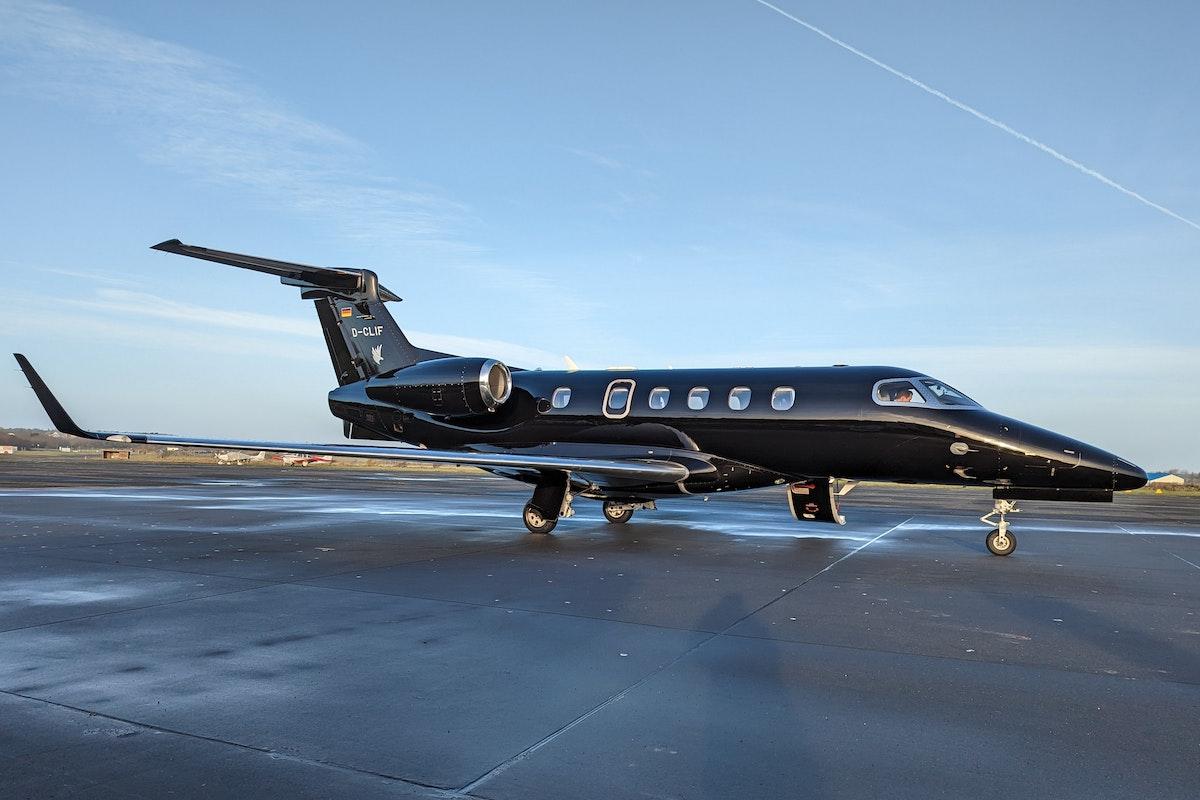
The private jet industry, traditionally known for its exclusivity and luxury, is undergoing a dramatic transformation. With advancements in technology, private aviation is becoming more efficient, accessible, and sustainable. These innovations are not only improving the flight experience for passengers but are also reshaping the way private jets are operated and maintained. In this article, we’ll dive into the most exciting new technologies that are changing the private jet industry, from cutting-edge aircraft designs to state-of-the-art in-flight services.
- Electric Aircraft: A Step Toward Sustainable Aviation
One of the most significant technological advances in private aviation is the development of electric aircraft. While fully electric private jets are still in the prototype phase, several companies are making significant strides in this area. Electric planes promise to reduce carbon emissions, lower fuel costs, and offer a quieter, more eco-friendly flying experience.
Electric aircraft, such as those being developed by companies like Joby Aviation and Vertical Aerospace, are designed to operate on shorter regional routes, offering a more sustainable alternative to traditional jet fuel-powered aircraft. These aircraft use electric engines that are far more energy-efficient and environmentally friendly than conventional jet engines. Additionally, they are quieter, reducing noise pollution in and around airports.
The adoption of electric aircraft in private aviation could significantly reduce the industry’s carbon footprint and help meet global sustainability goals. While widespread use of electric jets may still be a few years away, ongoing developments in battery technology and electric propulsion systems suggest that the future of private jet travel will be much greener.
- AI and Automation: Revolutionizing the Passenger Experience
Artificial intelligence (AI) and automation are also transforming the private jet industry, offering passengers an elevated level of personalization and convenience. AI-powered systems are being implemented to optimize flight schedules, enhance in-flight services, and even personalize the entire flying experience.
For example, AI can analyze data from previous flights to recommend personalized meal options, entertainment choices, and even preferred cabin conditions like lighting and temperature. AI assistants on board may be able to predict a passenger’s needs and preferences, creating a seamless and highly customized experience. In the future, it’s likely that AI will play an even more prominent role in anticipating and fulfilling passenger requests without the need for human intervention.
On the operational side, AI is helping improve flight planning, optimizing routes to minimize fuel consumption and reduce carbon emissions. AI-powered predictive maintenance tools are also being used to monitor the health of aircraft, allowing for proactive maintenance and reducing the likelihood of delays or unscheduled downtime.
- Supersonic Jets: The Return of Faster-than-Sound Travel
Supersonic flight is making a comeback in the private jet industry, and it promises to drastically reduce flight times for business and leisure travelers. Supersonic jets, capable of flying faster than the speed of sound, are being developed by companies like Boom Supersonic and Aerion.
The potential benefits of supersonic private jets are immense. A flight from New York to London, which typically takes about seven hours, could be completed in just three and a half hours with a supersonic aircraft. This speed will allow passengers to maximize their time at their destination, making it especially appealing for business executives and high-net-worth individuals who value their time.
Supersonic jets, however, face challenges in terms of noise pollution and regulatory approval. The sonic boom, a loud noise created when a jet breaks the sound barrier, has been a major barrier to supersonic commercial flights. However, companies like Boom are working on designing aircraft that reduce or eliminate this issue, making supersonic travel more sustainable and acceptable to regulators.
- Advanced In-Flight Connectivity: Keeping Passengers Connected Anywhere
As the demand for seamless connectivity grows, private jet operators are increasingly installing high-speed satellite-based Wi-Fi systems on their aircraft. This advanced technology enables passengers to stay connected while in the air, allowing them to attend virtual meetings, stream videos, and access cloud-based applications without interruption.
The latest advancements in in-flight connectivity include more reliable and faster internet speeds, which are essential for business travelers who need to work during their flights. For example, the new generation of satellite internet systems, such as those offered by Gogo and Inmarsat, provide download speeds comparable to what passengers would expect on the ground. With these systems, passengers can send emails, participate in video calls, and work on documents without delay, making private jet travel even more efficient.
This technological advancement is particularly important for executives and entrepreneurs who rely on their ability to remain productive during their travels. As internet connectivity improves, the private jet becomes not only a luxurious mode of transport but also a mobile office.
- Virtual and Augmented Reality: Enhancing the Flight Experience
Virtual and augmented reality (VR and AR) are starting to make their way into private jets, providing new ways to entertain and engage passengers during their flights. These technologies offer immersive experiences, such as virtual tours of destinations or AR-enhanced in-flight entertainment, adding another layer of luxury to private aviation.
For example, VR headsets may allow passengers to explore a virtual world, attend virtual meetings, or enjoy immersive experiences like watching movies in a 360-degree theater. Meanwhile, AR applications can enhance the in-flight environment by providing real-time information about the flight, such as the aircraft’s speed, altitude, and weather conditions, all presented in an interactive format.
As VR and AR technology continues to improve, we can expect even more advanced applications in private jets, further elevating the luxury and entertainment experience for passengers.
- On-Demand and Fractional Jet Services: Expanding Access to Private Aviation
New technology is also making private jet travel more accessible through on-demand and fractional jet services. These services allow passengers to charter private jets without the need for full ownership, making private aviation more affordable and convenient.
Companies like Wheels Up, JetSuite, and VistaJet offer on-demand flight services that allow customers to book private jets whenever they need them. These services operate through user-friendly apps, where travelers can select their preferred aircraft, schedule their flight, and even choose their meal options, all with a few taps on their smartphones. Fractional jet services, like those offered by NetJets and Flexjet, allow customers to purchase a share of a jet, providing them with access to private jets without the full costs of ownership.
These technology-driven services are democratizing private jet travel, making it available to more people, including business professionals and individuals who may not have the resources for full aircraft ownership.
- Conclusion
The private jet industry is on the cusp of a technological revolution, with innovations that promise to make travel more sustainable, efficient, and personalized. From electric and hybrid-electric aircraft to the rise of AI and in-flight connectivity, these technological advancements are not only enhancing the passenger experience but also transforming the way private jets are operated and maintained.
As these technologies continue to evolve, the future of private jet travel will be defined by greater accessibility, sustainability, and luxury. For those who are already accustomed to the benefits of private aviation, these innovations will only enhance the experience, making private jets an even more attractive option for travelers looking for efficiency, comfort, and exclusivity.