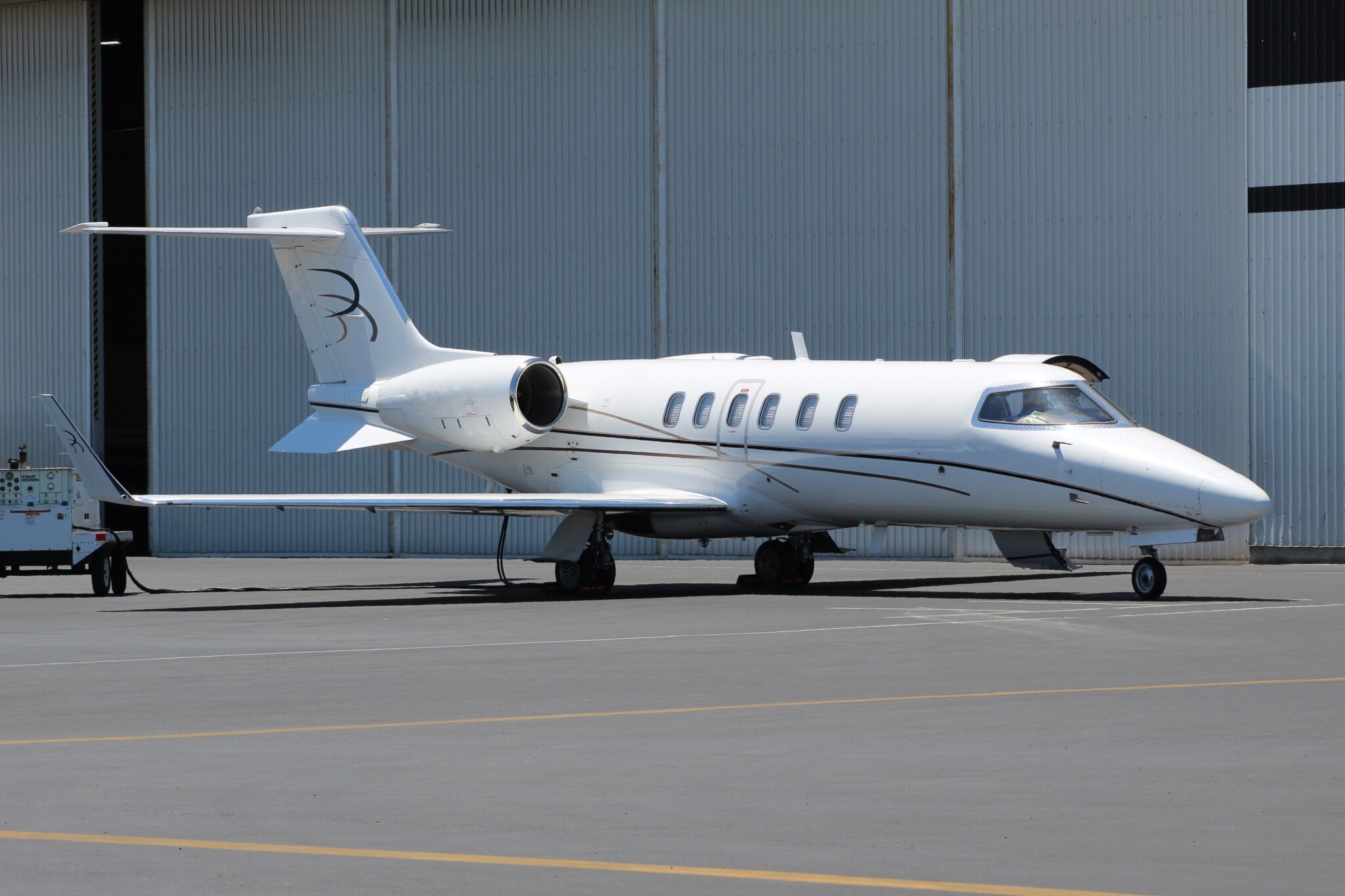
Bombardier Learjet 40XR
Introduction
When purchasing a private jet, the cost of ownership extends far beyond the sticker price. Financing terms, insurance coverage, maintenance, and warranty protection all shape the total financial picture. Among these factors, OEM warranty and service programs play a surprisingly powerful role in determining financing terms.
Aircraft lenders and leasing companies often analyze the risk profile of each asset before setting loan rates or lease terms. A jet backed by a robust manufacturer’s warranty or comprehensive service plan can translate into lower perceived risk, better resale value, and ultimately more favorable financing conditions.
This article explores how OEM warranties and service programs influence aircraft financing, why lenders care about them, and what buyers can do to optimize their investment and loan conditions in 2025 and beyond.
Understanding OEM Warranty & Service Programs
An OEM (Original Equipment Manufacturer) warranty is a manufacturer-backed assurance that protects an aircraft against defects in materials or workmanship for a specific period, typically covering both parts and labor.
These warranties often come with optional service programs, which can include:
-
Engine maintenance coverage (e.g., Rolls-Royce CorporateCare, Pratt & Whitney ESP)
-
Airframe and avionics protection
-
24/7 global support and diagnostics
-
Scheduled maintenance plans
Such programs ensure predictable costs and optimal performance throughout the aircraft’s lifecycle, which benefits both owners and financiers.
Why Lenders Care About OEM Support
From a lender’s perspective, aircraft are high-value, depreciating assets that require careful monitoring. The presence of OEM support programs significantly influences three critical lending criteria:
1. Asset Value Retention
Aircraft with full OEM coverage retain higher resale value because they are better maintained and have verifiable maintenance records. This gives lenders confidence that, in case of default, the repossessed aircraft can be sold quickly and at a good price.
2. Maintenance Predictability
Service programs turn unpredictable repair costs into fixed, budgeted expenses. This reduces operational risk for both owner and lender. Aircraft under OEM maintenance contracts rarely face grounding due to deferred maintenance another key risk reduction factor for financiers.
3. Lower Default Risk
When maintenance and repair costs are predictable, the probability of default decreases. Borrowers are less likely to face sudden financial strain from unexpected engine overhauls or component failures.
How OEM Warranties Affect Loan Interest Rates
Aircraft lenders especially banks and specialized aviation finance companies adjust interest rates and loan terms based on perceived risk.
When an aircraft includes full OEM-backed protection, lenders may offer:
-
Lower interest rates (due to reduced maintenance risk)
-
Longer amortization periods (since asset depreciation slows)
-
Higher loan-to-value (LTV) ratios (because resale value is secure)
For example, a Gulfstream G600 or Bombardier Challenger 3500 under factory maintenance support may qualify for 0.25%–0.75% lower interest rates compared to a similar model without OEM coverage.
OEM Programs That Influence Financing the Most
Different manufacturers offer distinct programs, each with varying effects on financing terms.
1. Gulfstream
Gulfstream’s PlaneParts Program and ASC coverage ensure parts availability and service continuity. Lenders often favor Gulfstream aircraft enrolled in these programs for their predictable lifecycle costs.
2. Bombardier
The Smart Parts Plus and Smart Parts Engine programs are highly valued for consistent maintenance history and predictable expenses, often improving financing eligibility and residual value forecasts.
3. Dassault Falcon
The FalconCare program covers airframe, avionics, and maintenance support, providing lenders with confidence in aircraft reliability.
4. Textron Aviation (Cessna, Beechcraft)
Textron’s ProAdvantage suite of programs provides comprehensive parts and labor coverage. For light jet buyers, this can be a decisive factor for better financing deals.
5. Embraer
Embraer’s Executive Care Program (EEC) offers scalable options that significantly stabilize ownership costs ideal for borrowers seeking long-term financing solutions.
The Role of Engine Programs in Financing
Engine programs such as Rolls-Royce CorporateCare, Pratt & Whitney ESP, and Honeywell MSP are among the most critical OEM supports in the eyes of financiers.
Because engines account for up to 35–40% of an aircraft’s total value, coverage here is essential. An aircraft without an engine program is considered a higher risk asset, often leading to:
-
Lower loan-to-value ratios
-
Higher interest rates
-
Stricter loan covenants
Conversely, jets under a top-tier engine program may enjoy premium financing flexibility, with some lenders even extending lease options or balloon payments based on predictable maintenance costs.
Impact on Residual Value and Appraisals
OEM coverage also influences aircraft appraisal values, which directly affect financing approval and interest calculations.
Aircraft enrolled in long-term, transferable OEM maintenance programs typically maintain 10–20% higher residual values at resale compared to non-enrolled counterparts. Appraisers often note that the continuity of manufacturer-backed service records increases buyer confidence and resale liquidity.
This stronger residual value allows lenders to extend better terms because the loan-to-value ratio remains safer over time.
Benefits for Buyers and Investors
1. Easier Loan Approval
Lenders prioritize OEM-covered aircraft for financing approval, especially for first-time buyers or foreign entities seeking international loans.
2. Reduced Maintenance Downtime
Service programs ensure continuous operation, lowering the total cost of ownership and keeping charter revenue or business operations stable.
3. Stronger Resale Market
Aircraft buyers trust OEM-backed jets more than independent-maintenance aircraft. This directly impacts trade-in values and liquidity.
4. Tax Efficiency
OEM warranties and maintenance programs often qualify as capital expenditures rather than variable operational costs, allowing for potential tax benefits depending on jurisdiction.
Strategic Advice: How to Use OEM Programs to Secure Better Financing
-
Enroll Early:
Sign up for OEM service plans during purchase negotiations to show lenders proactive maintenance management. -
Transfer Coverage:
Always verify if OEM programs are transferable to a new owner this enhances collateral value and financing leverage. -
Provide Documentation:
Submit full OEM maintenance histories and certificates when applying for financing; transparency increases lender confidence. -
Leverage in Negotiations:
Use your OEM coverage as a bargaining chip to negotiate lower rates or longer repayment terms. -
Bundle Engine & Airframe Programs:
Combining both under OEM care can secure a comprehensive risk reduction package, often resulting in the best loan conditions.
Future Trends: OEM Programs in 2025 and Beyond
With the aviation finance market becoming increasingly data-driven, predictive maintenance analytics and OEM digital twins are reshaping how warranties influence financing.
Manufacturers like Bombardier and Gulfstream now integrate real-time monitoring systems that share data with financiers and insurers. This transparency reduces uncertainty, helping lenders offer data-based flexible financing models.
In the coming years, expect OEM-backed aircraft to dominate lease-to-own and fractional ownership financing models, as risk management becomes more integrated with technology-driven maintenance tracking.
Conclusion
OEM warranty and service programs are far more than maintenance plans they’re financial leverage tools. For aircraft buyers and investors, enrolling in OEM-backed programs directly translates into:
-
Lower financing costs
-
Higher asset value
-
Smoother loan approvals
-
Enhanced long-term financial stability
Whether purchasing a light jet or a large cabin aircraft, the alignment between OEM support and financing strategy is key to maximizing ROI in 2025’s competitive aviation market.


