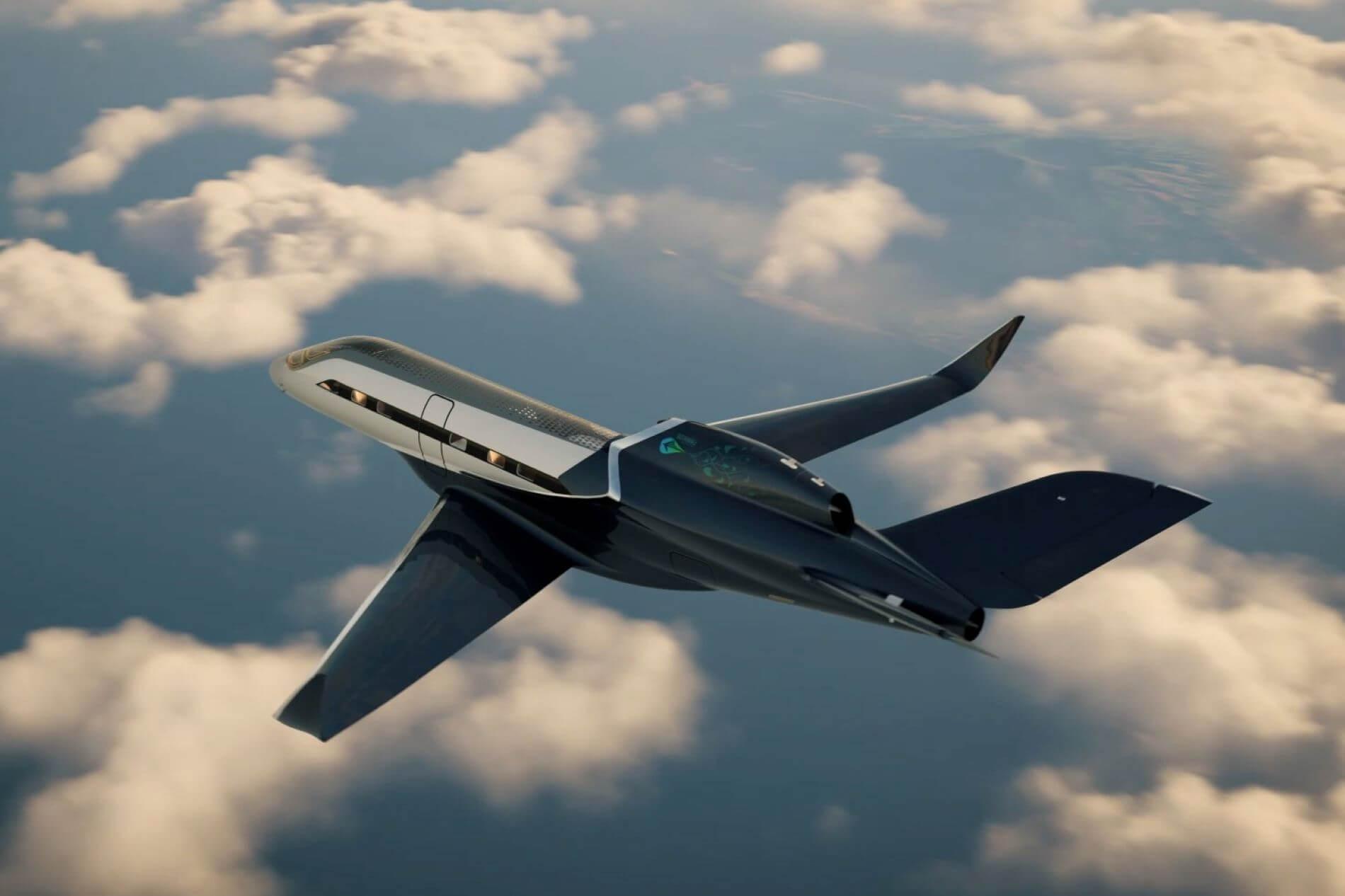
In the rapidly evolving world of aviation, private jets are leading the charge when it comes to technological innovations aimed at enhancing safety, comfort, and performance. One of the most groundbreaking developments is the advent of smart wings that adjust dynamically to atmospheric conditions. These wings, integrated with advanced technologies, promise to transform the way private jets handle turbulence, optimize fuel efficiency, and provide an even smoother flight experience.
Smart wings, which are also known as adaptive or active wings, use cutting-edge technology to continuously adjust their shape, size, and aerodynamics in response to real-time changes in air pressure, wind speed, and temperature. This allows private jets to adapt to various weather conditions during flight, significantly enhancing flight efficiency and passenger comfort. Let’s explore how these innovations are shaping the future of private aviation.
How Smart Private Jet Wings Work
At the core of smart wings is the concept of adaptation. Traditional fixed wings are designed for optimal performance under specific conditions. However, once airborne, the atmospheric conditions often change, which can affect the aircraft’s aerodynamics and overall performance. This is where smart wings step in.
Smart wings utilize a combination of sensors, actuators, and AI algorithms to analyze real-time data and adjust the shape of the wings to optimize flight performance. The wings can change their angle of attack, flap positions, and even their curvature based on the surrounding environment. These adjustments help mitigate the effects of turbulence, reduce drag, and improve fuel efficiency, all while ensuring a smoother and more stable flight.
The sensors on the wings monitor critical variables such as air velocity, altitude, temperature, and wind patterns. This data is then sent to an onboard computer that calculates the optimal wing adjustments needed for the current flight conditions. These changes can happen instantaneously, allowing the aircraft to maintain peak performance and respond to changing weather conditions, without the pilot needing to manually adjust controls.
Benefits of Smart Wings in Private Jet Aviation
- Enhanced Comfort and Reduced Turbulence
One of the most noticeable advantages of smart wings is their ability to reduce the effects of turbulence. Turbulence is caused by irregular air movements that create bumps or sudden changes in the aircraft’s altitude. In traditional aircraft, turbulence can lead to uncomfortable ride experiences for passengers. However, with smart wings, the aircraft can adjust to turbulent conditions by dynamically altering the wing’s shape, reducing the impact of these air disturbances.
For private jet owners, this means a significantly smoother flight experience, even in areas where turbulence is typically more common. Passengers can expect a more stable and comfortable journey, which is especially important for those who prioritize luxury and convenience.
- Improved Fuel Efficiency
Fuel efficiency is a constant concern for private jet operators, as it directly impacts operating costs. Smart wings offer a remarkable solution by continuously adjusting to minimize drag and optimize the aircraft’s aerodynamic performance. By fine-tuning the wing’s position and shape in response to the flight’s environmental conditions, the jet can reduce the energy required to stay in the air.
For example, during high-altitude flight, smart wings can adjust to maximize lift and reduce fuel consumption. Similarly, when encountering headwinds, the wings can adjust to minimize drag, ensuring that the jet’s engines work more efficiently. These continuous adjustments result in a more fuel-efficient flight, reducing both costs and environmental impact.
- Increased Safety and Stability
The ability of smart wings to adjust to various atmospheric conditions also enhances the overall safety of the flight. One of the primary safety concerns for any aircraft is its ability to respond to unexpected changes in the weather. With smart wings, the aircraft can proactively adjust to these changes, minimizing the risk of dangerous situations.
For example, if the plane encounters wind shear or sudden shifts in wind direction, the wings can modify their shape to help stabilize the aircraft and maintain steady flight. In critical situations, these adjustments can significantly improve the aircraft’s ability to handle extreme weather conditions, enhancing both pilot control and passenger security.
- Better Take-Off and Landing Performance
Smart wings are not only beneficial during the cruising phase of flight but can also enhance the take-off and landing phases. During take-off, the wings can adjust to provide the optimal amount of lift to help the jet get off the ground more efficiently. Similarly, during landing, smart wings can alter their configuration to increase drag and reduce speed, ensuring a smoother and safer descent.
These adjustments during the most critical phases of flight contribute to the overall safety and efficiency of the flight, making it easier to handle varying runway conditions, such as crosswinds or reduced visibility.
- Reduced Maintenance Costs
Another significant advantage of smart wings is their ability to reduce maintenance costs. By optimizing the aircraft’s performance and minimizing the strain on its components, smart wings can contribute to longer-lasting aircraft parts and lower maintenance requirements.
Since smart wings actively monitor and adjust based on real-time data, they can reduce unnecessary wear and tear on other components, such as engines, landing gears, and control systems. This can ultimately lead to lower maintenance costs and fewer unscheduled repairs, making smart wings a valuable investment for private jet operators.
The Role of Artificial Intelligence in Smart Wing Technology
At the heart of smart wing technology lies artificial intelligence. AI algorithms are responsible for processing the vast amounts of data gathered by the sensors on the wings and calculating the optimal adjustments in real-time. This AI capability allows for quick, accurate decision-making, ensuring that the aircraft is constantly adapting to the most current flight conditions.
AI also enables smart wings to learn from past flight data and improve over time. As the system gathers more information about various atmospheric conditions, it becomes better at predicting and responding to future scenarios, improving the overall performance of the jet. Additionally, AI can work in tandem with the jet’s flight management systems, further optimizing fuel usage, route planning, and overall operational efficiency.
The Future of Smart Private Jet Wings
As the aviation industry continues to evolve, the development of smart wing technology is expected to grow even more sophisticated. In the future, we may see autonomous adjustments that happen without the need for pilot intervention, further enhancing safety and performance.
The use of sustainable materials in smart wings could also increase, contributing to both fuel efficiency and environmental sustainability. As more private jets adopt smart wings, the overall carbon footprint of the aviation industry could decrease, aligning with global efforts to promote more eco-friendly technologies.
Moreover, integration with other advanced systems, such as AI-powered flight planning or real-time weather adaptation technologies, could make the aircraft even more adaptable to fluctuating conditions. These systems will allow private jets to fly with greater precision and less risk across all types of environments, from turbulent skies to harsh climates.
Conclusion
Smart private jet wings represent a monumental leap forward in aviation technology, offering benefits in comfort, efficiency, safety, and performance. By dynamically adjusting to atmospheric conditions, these wings help optimize flight operations, reduce fuel consumption, and enhance the passenger experience. As AI and sensor technologies continue to advance, the role of smart wings in private aviation will become even more pivotal, paving the way for safer, faster, and more efficient air travel in the coming years.