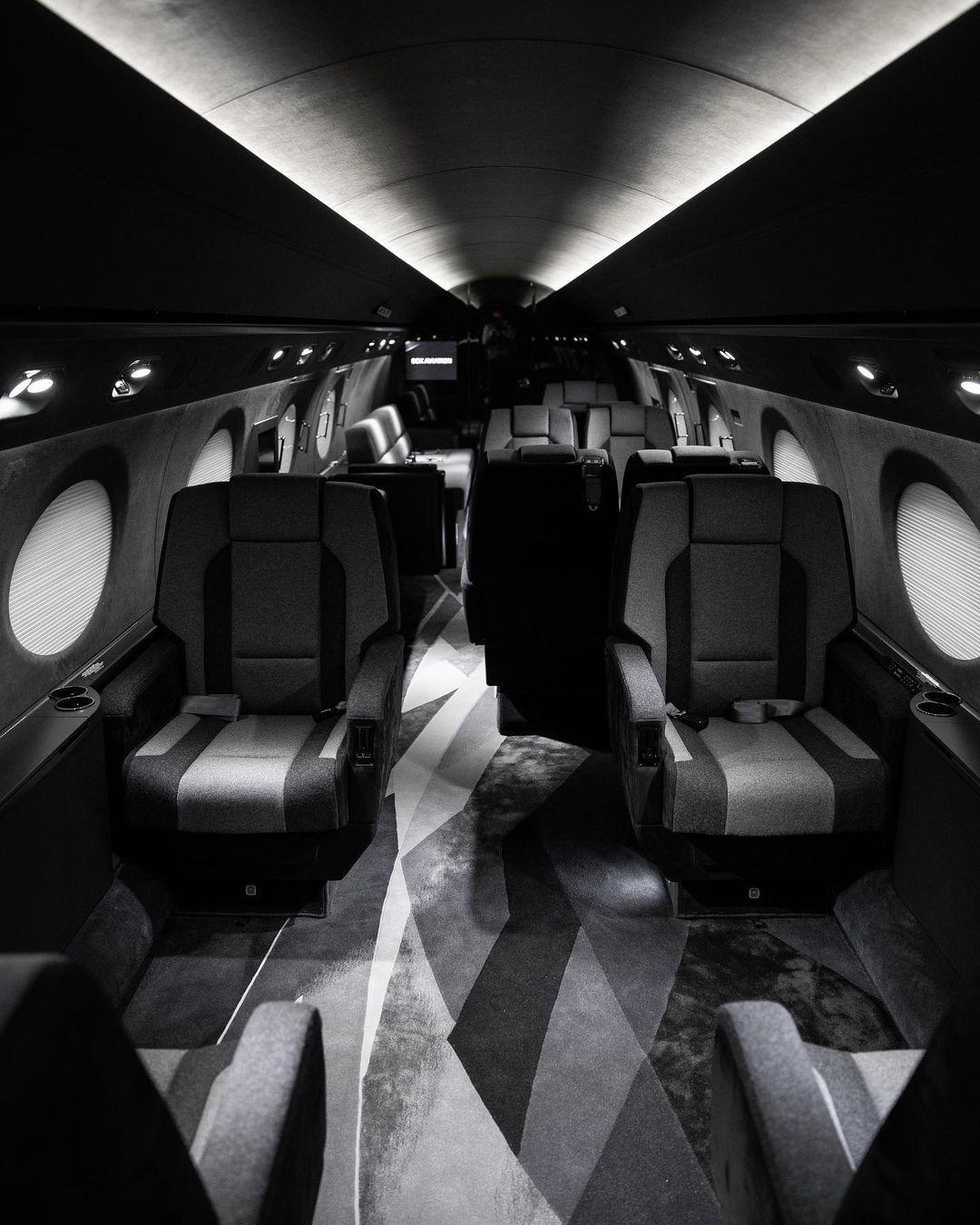
Private jet travel has long been synonymous with luxury and exclusivity, often reserved for the wealthiest individuals and high-powered executives. However, the landscape of private aviation is changing rapidly, making this once-unreachable mode of transportation increasingly accessible to a wider audience. Through innovative business models, technological advancements, and evolving consumer preferences, private jet travel is breaking down barriers and transforming how people view air travel.
As demand grows for personalized, efficient, and safe travel options, the private aviation industry is responding with creative solutions that cater to diverse needs and budgets. From shared charters to membership programs, private jet travel is no longer the sole domain of billionaires. Instead, it is becoming a practical and appealing choice for businesses, families, and even adventurous travelers seeking convenience and exclusivity.
The Evolution of Private Jet Travel
Private aviation has undergone a remarkable transformation over the past few decades. Traditionally, owning or chartering a private jet was seen as a status symbol, with costs that far exceeded the reach of the average traveler. Today, the industry is shifting toward a more inclusive model, driven by the growing demand for flexibility, privacy, and time-saving convenience.
Advancements in technology and innovative business practices are at the heart of this evolution. Online platforms and apps have streamlined the booking process, allowing travelers to easily compare options, find empty-leg flights, and book seats on shared charters. These developments have reduced costs and simplified access, making private jet travel a more realistic option for many.
Shared Charters and Empty-Leg Flights
One of the most significant ways private jet travel is becoming more accessible is through shared charters and empty-leg flights. Shared charters allow travelers to split the cost of a private jet with others heading to the same destination, significantly reducing the per-passenger expense.
Empty-leg flights, on the other hand, capitalize on the unused return or repositioning legs of private jet journeys. Since these flights are already scheduled, operators offer them at a fraction of the usual cost, providing an opportunity for travelers to enjoy private jet travel at a much lower price point.
These options not only make private aviation more affordable but also contribute to optimizing fleet utilization, reducing waste, and promoting sustainability.
Private Jet Membership Programs
Membership programs are another game-changer in the world of private aviation. These programs allow travelers to pay a monthly or annual fee in exchange for access to a fleet of private jets. Depending on the membership tier, passengers can enjoy benefits such as guaranteed availability, fixed hourly rates, and access to various aircraft sizes and types.
Companies like Wheels Up, JetSmarter, and NetJets have pioneered these subscription-based models, democratizing private jet travel for individuals and businesses alike. By eliminating the need for outright ownership or expensive one-time charters, memberships offer a more predictable and cost-effective way to experience the luxury of private aviation.
Fractional Ownership: A Middle Ground
Fractional ownership provides an appealing middle ground between owning a private jet outright and relying on ad hoc charters. Under this model, multiple owners share the costs and usage rights of an aircraft, making private jet ownership more feasible for a broader range of travelers.
Fractional ownership agreements typically include a set number of flight hours per year, with maintenance, staffing, and operational costs divided among the co-owners. This approach not only reduces expenses but also offers the flexibility to access different types of aircraft within the operator’s fleet.
For businesses and frequent travelers, fractional ownership combines the benefits of convenience, reliability, and cost savings, making it a popular choice in the private aviation market.
Technological Advancements Enhancing Accessibility
Technology is playing a crucial role in making private jet travel more accessible and user-friendly. Digital platforms and mobile apps have revolutionized the way travelers book private flights, providing real-time pricing, route options, and availability at their fingertips.
These platforms also enable greater transparency, allowing travelers to make informed decisions based on their preferences and budgets. Features like instant booking, automated payment systems, and personalized recommendations have streamlined the entire process, eliminating many of the barriers traditionally associated with private aviation.
Additionally, advancements in aircraft technology are driving down operating costs. Modern jets are more fuel-efficient, easier to maintain, and capable of longer ranges, reducing expenses for operators and, by extension, for passengers.
The Impact of COVID-19 on Private Aviation
The COVID-19 pandemic has had a profound impact on the aviation industry, accelerating the growth and accessibility of private jet travel. As commercial airlines faced unprecedented disruptions, travelers began seeking safer and more reliable alternatives.
Private jets emerged as a preferred choice due to their ability to minimize exposure to crowds and provide a controlled travel environment. The heightened demand for privacy and health safety led to a surge in first-time private jet users, many of whom have continued to embrace this mode of travel even as restrictions eased.
This shift in consumer behavior has prompted private aviation companies to expand their offerings, introduce flexible pricing models, and invest in health and safety measures. These efforts have not only attracted new customers but also reinforced the appeal of private jet travel as a practical and desirable option.
Affordability Through Innovation
Contrary to the common perception that private jet travel is prohibitively expensive, innovation within the industry is making it increasingly affordable. By optimizing operations, leveraging technology, and adopting creative pricing strategies, private aviation companies are breaking down cost barriers.
For example, dynamic pricing models allow operators to adjust rates based on demand, availability, and other factors, ensuring competitive pricing for travelers. Additionally, partnerships with travel agencies and luxury brands have introduced bundled packages that combine private jet flights with other premium experiences, offering greater value for customers.
Expanding Market Demographics
As private jet travel becomes more accessible, the demographic of users is also expanding. No longer limited to celebrities and corporate executives, private aviation is attracting families, small business owners, adventure seekers, and even groups of friends planning unique getaways.
This diversification of the customer base reflects a broader trend toward personalized and experiential travel. For many, private jets represent an opportunity to create memorable journeys, celebrate special occasions, or simply enjoy the convenience and exclusivity of flying private.
Sustainability in Private Aviation
While accessibility is a key focus, the private aviation industry is also addressing concerns about sustainability. Many operators are investing in sustainable aviation fuel (SAF), which significantly reduces carbon emissions compared to traditional jet fuel.
Electric and hybrid-electric aircraft are another area of innovation, with several companies developing models that promise to revolutionize private aviation by combining sustainability with cost efficiency.
These advancements not only align with global environmental goals but also appeal to a growing segment of travelers who prioritize eco-conscious choices. By embracing sustainability, private aviation is paving the way for a more responsible and inclusive future.
The Role of Private Jets in the Future of Travel
As private jet travel becomes more accessible, its role in the broader travel ecosystem is evolving. Private jets are increasingly seen as a complement to commercial airlines, offering solutions for niche markets, underserved routes, and time-sensitive journeys.
For example, travelers in remote or rural areas can use private jets to connect with major hubs, streamlining their overall travel experience. Similarly, companies can rely on private aviation for urgent deliveries, executive travel, and other specialized needs.
The versatility and adaptability of private jets make them an integral part of the future of travel, bridging gaps and enhancing connectivity in ways that traditional airlines cannot.
Conclusion
Private jet travel is no longer an exclusive privilege reserved for the elite. Through innovative models like shared charters, memberships, and fractional ownership, combined with technological advancements and a focus on affordability, private aviation is becoming more accessible than ever before.
As the industry continues to evolve, private jets are redefining what it means to travel, offering a level of convenience, flexibility, and personalization that meets the needs of modern travelers. With sustainability initiatives gaining momentum and a broader demographic embracing private aviation, the future of travel is undoubtedly taking flight on private jets.
For businesses, families, and individuals seeking a superior travel experience, private jet travel offers an a very uniqueed blend of luxury, efficiency, and accessibility. As barriers to entry diminish, the dream of flying private is becoming a reality for more people than ever before, heralding a new era of air travel that is both inclusive and extraordinary.