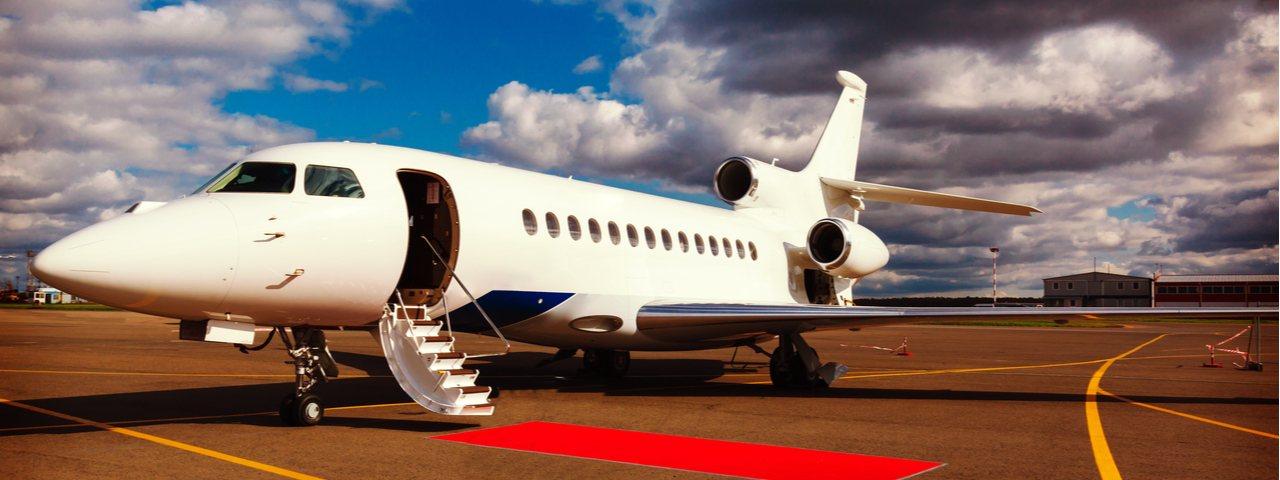
The world of academia is evolving, and so is the way educators, researchers, and students travel for academic purposes. Whether attending a global conference, conducting field research, or collaborating with international institutions, travel is an integral part of the academic experience. However, traditional commercial air travel often presents a number of challenges, including long layovers, limited flight options, and time-consuming airport procedures. As a result, academics are increasingly turning to private jets to streamline their travel and enhance their overall academic experience.
Private jets are no longer reserved for the wealthy or high-profile executives. Many educational institutions, research organizations, and academic professionals are recognizing the numerous advantages private jet travel offers, making it a preferred choice for academic travel. In this article, we will explore how private jets are enhancing education and academic travel by providing flexibility, efficiency, comfort, and convenience.
- Saving Time and Reducing Travel Delays
Time is one of the most valuable resources for academic professionals. Between teaching, conducting research, and attending conferences, academics have packed schedules. Time spent in airports, dealing with security lines, and waiting for delayed flights can significantly detract from valuable working hours.
Private jets offer a solution to these challenges by significantly reducing the time spent on travel. Since private jets use smaller, more exclusive airports, they allow passengers to bypass the congestion and long waiting times associated with commercial flights. Travelers can quickly move through private terminals, avoiding long queues at check-in counters and security checks. This means more time can be spent on productive activities, such as preparing for a conference presentation, reading academic papers, or even holding virtual meetings during the flight.
The ability to depart on a customized schedule also helps academics maximize their time. They no longer have to wait for a specific commercial flight or deal with inconvenient flight times. Private jets provide the flexibility to depart early in the morning or late at night, allowing passengers to better align their travel with their academic commitments.
- Comfort and Productivity During Flights
Academic travel often involves long-haul flights, which can be exhausting and uncomfortable. For academics who need to stay alert and focused, the cramped and noisy environment of commercial flights can be a significant hindrance. In contrast, private jets offer a more comfortable and conducive environment for productivity.
The spacious cabins of private jets are designed with comfort in mind. They offer larger seating areas, more legroom, and the ability to customize the flight experience to the traveler’s needs. For example, passengers can adjust the cabin temperature, choose the level of lighting, and even request specific meals or drinks. This level of comfort enables academics to relax, sleep, or work without distractions, ensuring that they arrive at their destination feeling refreshed and ready to engage in the academic activities at hand.
Many private jets are also equipped with high-speed Wi-Fi, allowing travelers to stay connected to their work while in the air. This means that academics can continue to work on research projects, reply to emails, or review presentations during the flight. The ability to work in a quiet and comfortable environment allows academics to stay productive and focused, turning what would otherwise be wasted travel time into valuable working hours.
- Flexibility and Customization for Academic Needs
The nature of academic travel is often unpredictable, with last-minute changes in schedules, new research collaborations, or urgent conference invitations. Commercial airlines are often inflexible and unable to accommodate these changes easily. Private jets, on the other hand, offer a high degree of flexibility, allowing academics to adjust their travel plans on short notice.
Whether it’s changing the departure time, altering the route, or adding a last-minute stop, private jets can accommodate these changes with minimal hassle. This level of flexibility is particularly valuable for academic professionals who may need to travel between different locations for research projects, field studies, or meetings with collaborators. Private jets also allow for multiple stops in a single journey, enabling academics to attend multiple events or meetings in different cities without the need to book separate flights or waste time on connecting flights.
For universities and academic institutions, this flexibility also extends to organizing group travel for faculty, students, and researchers. Institutions can charter a private jet for a group of attendees to a conference or symposium, ensuring that everyone arrives together, on time, and ready to participate in the event. This coordination ensures that the academic group stays unified and can collaborate efficiently.
- Enhancing Networking Opportunities
Academic conferences and events are not just about presenting research; they are also about networking and forming collaborations with peers and colleagues. Private jet travel provides a unique opportunity to enhance networking even before the conference begins. When traveling with colleagues, researchers, or other attendees, private jets offer a relaxed and intimate environment where people can network, discuss ideas, or even collaborate on research projects during the flight.
The smaller and more exclusive setting of private jets allows for focused discussions, and the ability to share ideas or plans in a comfortable, distraction-free environment can foster valuable academic partnerships. For universities or academic institutions, private jets can also be used to transport keynote speakers, distinguished guests, or panelists for conferences, ensuring that they are treated with the utmost care and comfort. This VIP experience can encourage top academics and researchers to engage more deeply with the event and its participants.
In addition, the relaxed nature of private jet travel allows for a more personal and meaningful connection among participants. Rather than dealing with the hustle and bustle of airports or the isolation of commercial flights, academics can take advantage of their travel time to have in-depth conversations and plan potential future collaborations.
- Access to Remote Locations for Research and Field Studies
Academic professionals and researchers often need to travel to remote locations for field studies, data collection, or research projects. In these cases, private jets can provide access to airports that are not serviced by commercial airlines, allowing academics to reach locations that would otherwise be inaccessible. This is particularly important for those working in specialized fields, such as environmental science, anthropology, or archaeology, where fieldwork often takes place in hard-to-reach areas.
Private jets can also facilitate research trips that involve multiple locations. For example, a researcher working on a study in several regions of a country can use a private jet to travel quickly between sites, saving time and reducing the strain of long journeys. This flexibility allows for more efficient data collection and collaboration with local research teams, ultimately enhancing the quality and scope of the research being conducted.
- Supporting Academic Institutions and Programs
In addition to individual academics, private jet travel is also benefiting academic institutions and programs. Universities and colleges that host international conferences, workshops, or symposia can use private jets to bring together prominent scholars, keynote speakers, and high-profile attendees. This ensures that key figures are able to attend and contribute to the success of the event, without the constraints and limitations of commercial travel.
Private jets also offer a unique marketing tool for universities looking to attract top talent or form partnerships with other academic institutions. By providing luxury travel to potential students, faculty members, or research collaborators, academic institutions can create a memorable and prestigious experience that sets them apart in the competitive world of higher education.
Conclusion
Private jets are revolutionizing the way academic professionals travel, offering a level of comfort, flexibility, and efficiency that traditional commercial airlines simply cannot match. Whether it’s saving time, enhancing productivity during flights, or providing access to remote locations for research, private jet travel is enhancing every aspect of academic and educational travel. As academic institutions continue to recognize the benefits of private jets, we can expect to see this trend grow, making academic travel more efficient, comfortable, and effective for professionals in the field.