Introduction: Defying Nature’s Challenges
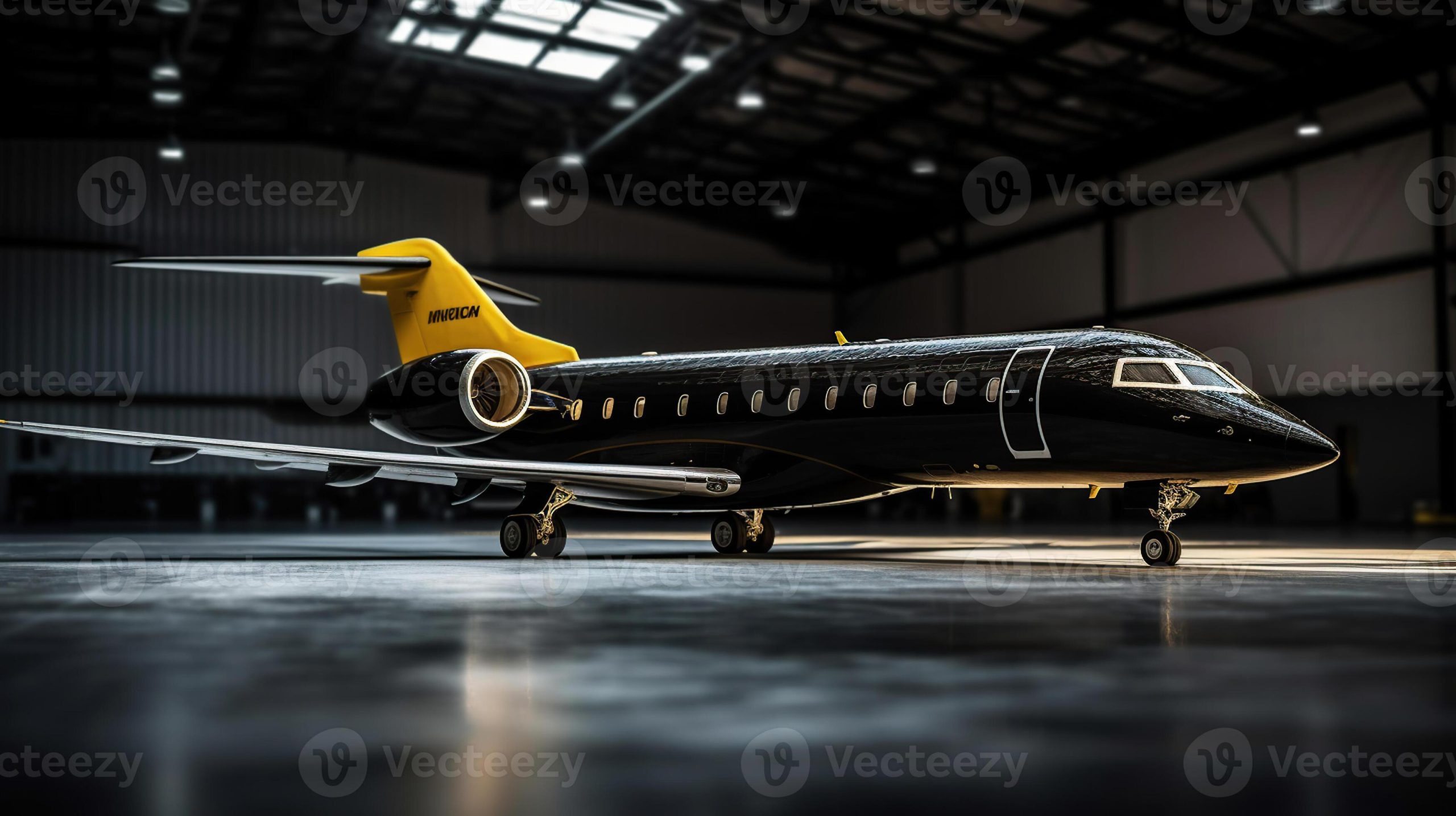
Private jets symbolize luxury and efficiency, but they are also engineered to face some of the harshest weather conditions on Earth. Whether it’s navigating through heavy storms, enduring sub-zero temperatures, or adapting to tropical heat, private jets are equipped with cutting-edge technology to ensure the safety and comfort of passengers and crew.
This article explores the sophisticated systems and engineering marvels that allow private jets to operate reliably, even in extreme weather conditions.
Designing Private Jets for Weather Resistance
1. Aerodynamic Excellence
Private jets are built with highly efficient aerodynamic designs to minimize drag and maximize stability in turbulent conditions.
- Wing Designs: Modern jets use swept-back wings with advanced winglets to enhance lift and reduce turbulence effects.
- Smooth Fuselage: The fuselage is designed to withstand high-speed winds and temperature variations without compromising structural integrity.
2. High-Quality Materials
To endure harsh climates, private jets are crafted with lightweight yet durable materials:
- Aluminum Alloys: Resist corrosion and handle temperature extremes.
- Carbon Fiber Composites: Provide strength and reduce overall weight, improving performance.
Advanced Weather Monitoring Systems
1. Onboard Weather Radar
Private jets are equipped with state-of-the-art radar systems that detect and analyze weather conditions in real time.
- Storm Detection: Identify thunderstorms and turbulence zones up to 300 miles ahead.
- 3D Mapping: Offers a comprehensive view of weather patterns to assist pilots in planning safer routes.
2. Satellite Weather Data
Satcom systems receive live updates from weather satellites, providing precise information about:
- Wind speeds
- Temperature gradients
- Icing conditions
3. Predictive Weather Tools
Advanced software uses predictive analytics to forecast potential weather hazards, enabling proactive decision-making.
Handling Extreme Cold: Arctic Engineering
1. De-Icing Systems
Ice buildup on the wings or fuselage can compromise safety. Private jets use:
- Electro-Thermal Systems: Apply heat to critical surfaces to melt ice.
- Chemical De-Icers: Spray glycol-based solutions to prevent ice formation before takeoff.
2. Heated Components
Certain components are heated to ensure proper functionality in freezing temperatures:
- Pitot Tubes: Measure airspeed accurately by preventing ice blockages.
- Fuel Tanks: Heated fuel prevents gelling in sub-zero conditions.
3. Insulated Cabins
Cabin insulation and advanced climate control systems maintain a comfortable temperature, regardless of the freezing weather outside.
Coping with Intense Heat: Desert Adaptations
1. High-Temperature Materials
Jets operating in desert climates use materials designed to resist heat-related degradation:
- Ceramic Coatings: Reflect sunlight and reduce heat absorption.
- High-Temperature Composites: Prevent expansion and warping.
2. Efficient Cooling Systems
Advanced cooling systems regulate engine and cabin temperatures:
- Auxiliary Power Units (APUs): Provide additional cooling when the aircraft is on the ground.
- Cabin Air Conditioning: Maintains a consistent interior climate.
3. UV Protection
Windows are coated with UV-blocking films to protect passengers from harmful rays and prevent overheating inside the cabin.
Turbulence Management: Staying Stable
1. Active Turbulence Mitigation
Modern jets feature systems that automatically adjust flight controls to counteract turbulence.
- Autopilot Integration: Works with turbulence sensors to smooth the ride.
- Real-Time Adjustments: Flaps and stabilizers adjust dynamically to maintain stability.
2. Enhanced Passenger Comfort
Private jets prioritize passenger well-being during turbulence with:
- Shock-Absorbing Seats: Reduce the impact of sudden movements.
- Noise Reduction Systems: Minimize the unsettling sounds of turbulent airflow.
Thunderstorm and Lightning Protection
1. Lightning Diverters
Private jets are designed to handle lightning strikes by redirecting the electrical charge:
- Conductive Strips: Guide lightning safely around the aircraft.
- Static Dischargers: Release accumulated charge back into the atmosphere.
2. Electrical Shielding
Critical electronic systems are shielded to prevent malfunctions during electrical storms.
3. Storm Avoidance Strategies
With precise radar and satellite data, pilots can chart alternate routes to avoid severe thunderstorms altogether.
Extreme Altitudes: Thriving Above It All
1. Pressurized Cabins
To combat the low air pressure at high altitudes, private jets feature:
- Advanced Pressurization Systems: Maintain a consistent cabin pressure for passenger comfort.
- Oxygen Backup Systems: Ensure sufficient oxygen levels in case of cabin depressurization.
2. Temperature Regulation
High altitudes bring extreme cold, but jets use sophisticated insulation and heating systems to maintain optimal conditions.
Emergency Protocols: Always Ready
Private jets are equipped with systems to handle unexpected weather-related emergencies:
- Automated Alerts: Notify pilots of sudden weather changes.
- Fail-Safe Systems: Redundant systems ensure that critical functions continue uninterrupted.
- Emergency Kits: Include satellite phones, survival gear, and first-aid supplies for extreme conditions.
The Role of Pilot Training
Technology alone cannot guarantee safety. Skilled pilots are essential in managing extreme weather:
- Simulation Training: Pilots practice handling adverse weather scenarios in realistic simulators.
- Weather Analysis Skills: Training programs teach pilots to interpret complex weather data accurately.
Future Innovations in Weather Adaptability
1. AI-Powered Weather Systems
Artificial intelligence will enhance predictive weather tools, offering:
- Real-Time Adaptations: Adjust flight paths instantly based on changing conditions.
- Customized Alerts: Provide customized warnings specific to aircraft capabilities.
2. Advanced Materials
Future jets may use nanomaterials that:
- Resist extreme temperatures.
- Automatically adapt to environmental conditions.
3. Autonomous Weather Navigation
Autonomous private jets are on the horizon, promising precise and safe navigation through extreme weather with minimal human intervention.
Conclusion: Weathering the Storm in Luxury
Private jets are more than luxury transportation; they are marvels of engineering designed to conquer nature’s challenges. Through cutting-edge technology, robust design, and skilled pilots, these jets ensure safety and comfort in even the most extreme conditions.
As innovation continues, the private jet industry will only grow more capable, making extreme weather a challenge of the past.