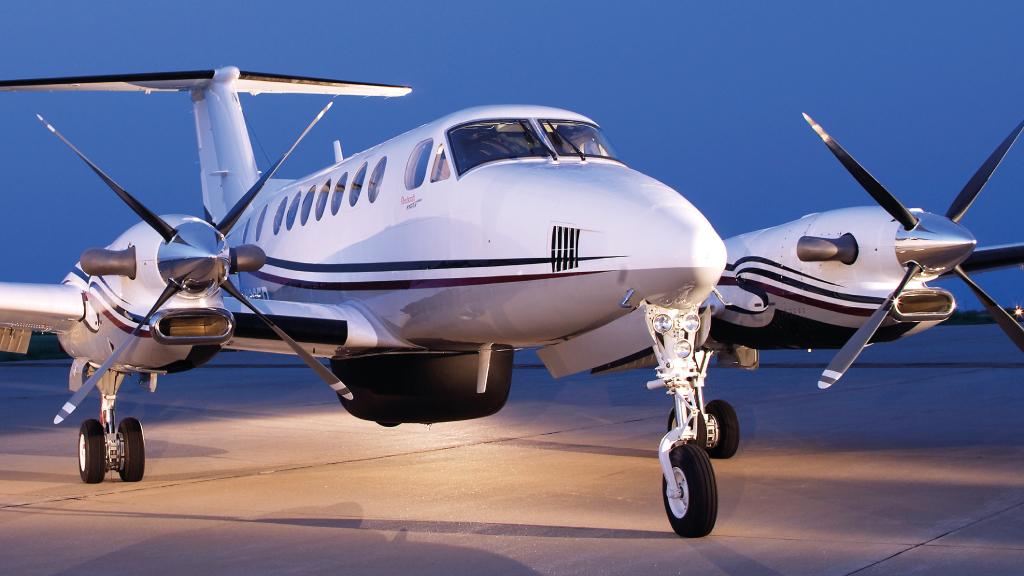
In recent years, the world has become increasingly aware of the environmental impact of aviation. As concerns over climate change intensify, the aviation industry, particularly the private jet sector , has found itself under pressure to adopt more sustainable practices. While private jet travel has long been associated with luxury and exclusivity, it is also notorious for its significant carbon footprint. As the demand for eco-friendly solutions grows, private jet manufacturers, operators, and owners are seeking innovative ways to reduce their environmental impact without sacrificing the comfort and convenience that private flying offers.
Private jets are evolving rapidly to meet these environmental demands. From the development of sustainable aviation fuel (SAF) to the emergence of electric and hybrid aircraft, the private jet industry is undergoing a transformation that promises a greener future for aviation. In this article, we will explore how private jets are evolving to meet environmental demands, examining the key innovations, challenges, and strategies that are shaping the future of eco-friendly aviation.
The Environmental Impact of Private Jet Travel
Before delving into the innovations and strategies being employed to reduce the environmental impact of private jets, it’s essential to understand the extent of their carbon footprint. Private jet travel has been criticized for its high carbon emissions per passenger, especially when compared to commercial aviation. Due to the small number of passengers on board, private jets tend to have a much higher carbon output per person than commercial flights. In fact, a study by the International Council on Clean Transportation (ICCT) found that a private jet can emit between five and 14 times more carbon per passenger than a commercial flight.
Additionally, private jets often operate on shorter routes, which are less fuel-efficient than longer flights. Short flights require more energy for takeoff and climb, resulting in higher emissions. The carbon footprint of private jets is further compounded by empty leg flights, which occur when an aircraft must fly without passengers to reposition or return to its base. These empty flights are a significant contributor to unnecessary emissions, as the aircraft burns fuel without carrying passengers.
The environmental impact of private jet travel has become an area of focus for both the aviation industry and environmental advocates. While the emissions associated with private jets are relatively small in comparison to the overall aviation sector, they still contribute to climate change and environmental degradation. As a result, private jet companies, manufacturers, and owners are exploring ways to reduce their carbon footprints and embrace sustainability.
Innovations in Sustainable Aviation Fuel (SAF)
One of the most significant developments in the push for more sustainable private jet travel is the adoption of sustainable aviation fuel (SAF). SAF is produced from renewable sources such as plant oils, algae, and agricultural waste. It has the potential to reduce carbon emissions by up to 80% compared to traditional jet fuel. SAF can be used in existing aircraft engines without requiring modifications, making it an attractive option for private jet operators looking to reduce their environmental impact.
Unlike conventional jet fuel, which is derived from fossil fuels, SAF is made from renewable materials that can be replenished over time. As a result, SAF has the potential to significantly reduce the lifecycle carbon emissions of private jet flights. SAF is already being used by some private jet operators, and its production is expected to increase as demand grows. However, there are challenges to scaling up SAF production, including the high cost of production and the limited availability of feedstocks.
Despite these challenges, SAF is seen as a key component of the future of sustainable private jet travel. Several private jet manufacturers, including Gulfstream and Dassault, have already committed to using SAF in their aircraft. As the production of SAF increases and economies of scale come into play, the cost of SAF is expected to decrease, making it more accessible to private jet owners and operators.
The Rise of Electric and Hybrid Aircraft
Electric and hybrid aircraft represent another groundbreaking innovation in the quest for sustainable private jet travel. Electric aircraft, which rely on batteries for propulsion, produce zero emissions during flight, making them an environmentally friendly alternative to traditional jet engines. Although electric aircraft are still in the early stages of development, several companies are working on electric planes that could revolutionize the private jet industry.
One of the most promising electric aircraft models is the eFlyer 2, developed by Bye Aerospace. The eFlyer 2 is a fully electric aircraft designed for training purposes, but its design could pave the way for larger electric planes capable of carrying passengers. These aircraft rely on lithium-ion batteries, which can be charged using electricity from renewable sources such as solar and wind power. While electric planes are currently limited by battery capacity and range, they are ideal for short-haul flights, which make up a significant portion of private jet travel.
Hybrid aircraft, which combine traditional jet engines with electric propulsion systems, offer a more practical solution for long-haul private jet travel. Hybrid aircraft use electric power during takeoff and landing, reducing fuel consumption and emissions during these critical phases of flight. Once the aircraft reaches cruising altitude, the traditional jet engines take over. This hybrid approach allows for reduced fuel consumption and emissions while still maintaining the range and performance capabilities of traditional jets.
Several companies, including AeroVironment and Vertical Aerospace, are working on hybrid aircraft designs for the private jet market. These aircraft have the potential to reduce carbon emissions by up to 50% compared to conventional jets, making them a promising solution for sustainable private jet travel in the future.
Lightweight Materials and Aircraft Design
In addition to fuel and propulsion innovations, advancements in aircraft design and materials are helping to make private jets more fuel-efficient and eco-friendly. The use of lightweight materials such as carbon fiber, titanium, and advanced composites is becoming increasingly common in the design of private jets. These materials are not only stronger and more durable than traditional materials like aluminum, but they also reduce the overall weight of the aircraft.
By reducing the weight of the aircraft, manufacturers can improve fuel efficiency and reduce the amount of fuel needed for flight. Lighter aircraft consume less fuel during takeoff, climb, and cruise, which leads to lower emissions. This trend is particularly important for private jets, as even small reductions in weight can result in significant improvements in fuel efficiency.
In addition to lightweight materials, modern private jet designs are incorporating more aerodynamic features that reduce drag and improve fuel efficiency. Streamlined designs with smooth surfaces help the aircraft cut through the air more efficiently, reducing the amount of fuel required to maintain flight. As aircraft design continues to evolve, we can expect to see even more efficient and environmentally friendly private jets.
Sustainable Flight Operations and Optimized Routing
In addition to technological innovations, private jet operators are increasingly focusing on optimizing flight operations to reduce their environmental impact. One of the most effective ways to reduce fuel consumption and emissions is through optimized flight routing. Advanced flight planning software allows private jet operators to select the most efficient routes, avoiding delays and minimizing fuel burn.
By utilizing real-time weather data, air traffic patterns, and other factors, flight planners can identify the shortest and most fuel-efficient routes. This helps reduce the amount of time spent in the air, which in turn reduces fuel consumption and emissions. Some private jet operators are also utilizing data analytics to predict the most efficient flight profiles, further improving fuel efficiency.
Another important aspect of sustainable flight operations is reducing the number of empty leg flights. Empty leg flights occur when a private jet must fly without passengers to reposition or return to its base. These flights contribute to unnecessary fuel consumption and emissions. Many private jet operators are working to reduce the number of empty leg flights by offering discounted rates on empty legs, allowing passengers to book these flights at a lower price. By filling empty leg flights with paying passengers, operators can reduce the environmental impact of these otherwise wasteful flights.
The Role of Carbon Offsetting
In addition to adopting sustainable aviation technologies, private jet operators are increasingly offering carbon offset programs to mitigate the environmental impact of their flights. Carbon offsetting involves investing in projects that reduce or remove carbon emissions, such as reforestation efforts, renewable energy projects, and methane capture initiatives. By purchasing carbon offsets, private jet owners and passengers can effectively neutralize the carbon emissions associated with their flights.
Many private jet companies, including NetJets and VistaJet, offer carbon offset programs to their customers. These programs allow passengers to calculate the carbon emissions of their flights and purchase the corresponding amount of offsets. While carbon offsetting is not a perfect solution, it can help reduce the overall impact of private jet travel until more sustainable technologies are widely adopted.
Challenges to Achieving Sustainable Private Jet Travel
While there are many promising developments in sustainable private jet travel, there are still significant challenges to achieving widespread adoption of these technologies. One of the main challenges is the high cost of sustainable aviation technologies. Electric and hybrid aircraft are still in the early stages of development and are expensive to produce. Similarly, sustainable aviation fuel (SAF) is currently more expensive than traditional jet fuel, making it less accessible for private jet operators.
Another challenge is the limited availability of sustainable aviation fuel. SAF is not yet produced on a large scale, and many airports do not have the infrastructure to support its widespread use. As the demand for SAF grows, however, production is expected to increase, and the cost is likely to decrease over time.
Finally, regulatory challenges can slow down the adoption of sustainable technologies in private jet travel. New technologies must undergo rigorous testing and certification processes before they can be used in commercial operations. This can take years, and the certification process can be costly and time-consuming.
The Future of Sustainable Private Jet Travel
The future of sustainable private jet travel is promising, with technological innovations, improved flight operations, and sustainable practices all contributing to a greener aviation industry. While challenges remain, the private jet sector is making significant strides toward reducing its environmental impact. As the demand for eco-friendly aviation solutions grows, we can expect to see continued investment in sustainable technologies, including electric and hybrid aircraft, sustainable aviation fuels, and optimized flight operations.
In the coming years, we may also see a shift in consumer preferences
, with more private jet passengers demanding environmentally conscious options. As more private jet manufacturers and operators embrace sustainability, private jet travel will become increasingly eco-friendly, without compromising on the luxury, comfort, and convenience that define this exclusive mode of transportation. The future of sustainable private jet travel is on the horizon, and the industry is well on its way to meeting the environmental demands of tomorrow.