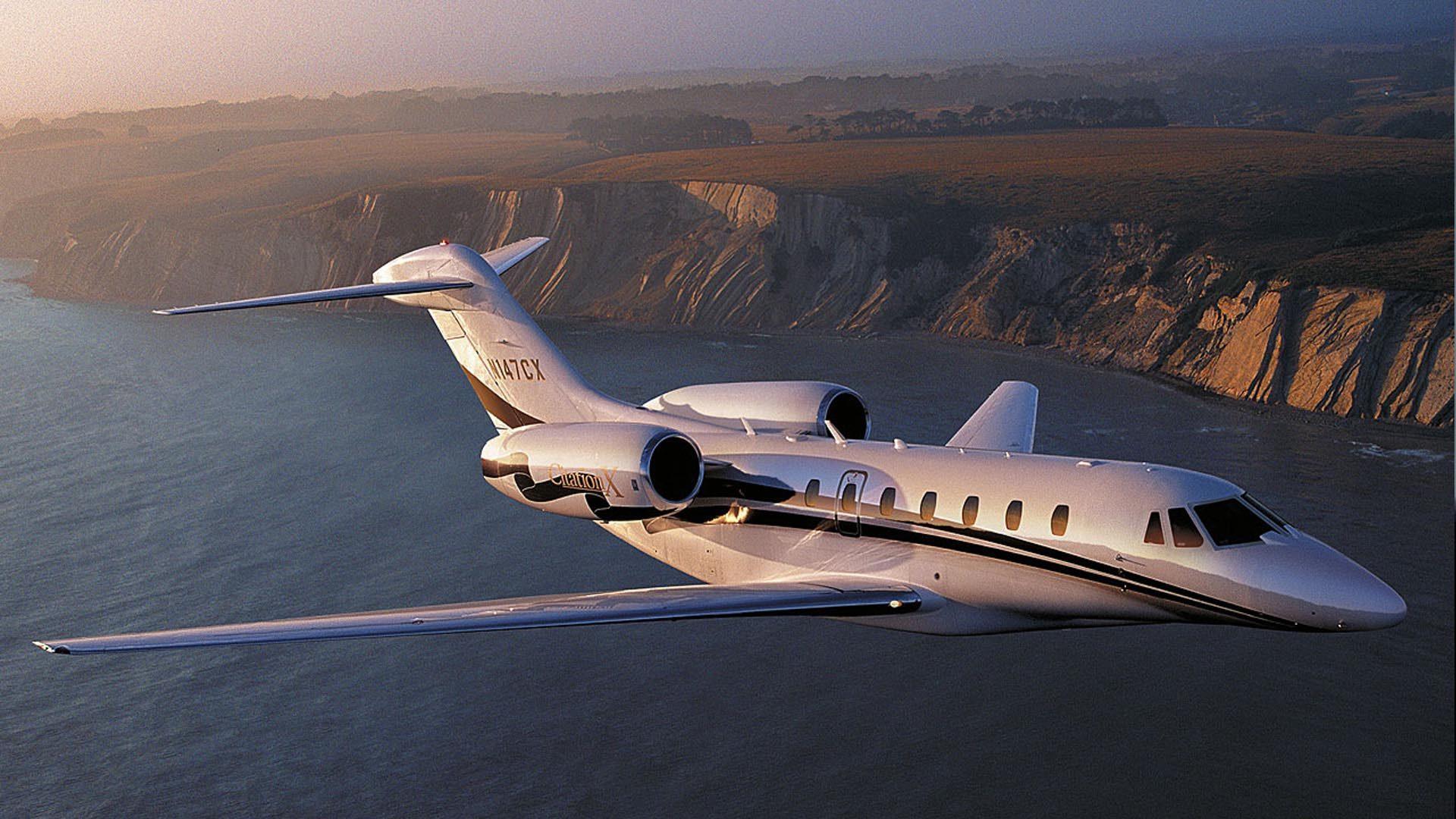
Private jets have long been associated with luxury, exclusivity, and convenience. However, these opulent flying machines also carry a reputation for being one of the least environmentally friendly modes of transportation. This perception stems from their high fuel consumption, large carbon emissions, and overall environmental impact. Yet, as the global push for sustainability grows, the aviation industry, including private jet operators, has made significant strides toward reducing their carbon footprint.
In this article, we explore the various ways private jets are embracing eco-friendly practices, from adopting cutting-edge technologies to investing in sustainable aviation fuel (SAF). As the industry adapts to the need for greener solutions, private jets are becoming more environmentally conscious, offering a more sustainable alternative to air travel while still providing the luxury and comfort that their passengers expect.
The Environmental Impact of Private Jets
Before diving into the solutions, it’s important to understand why private jets have such a negative environmental reputation. A private jet, depending on its size and model, can burn up to five times the amount of fuel per passenger as a commercial airliner. The carbon emissions per person per mile can be significantly higher, which has raised concerns about the environmental impact of private flying.
Additionally, private jets tend to fly shorter routes, which are less fuel-efficient than long-haul flights. While commercial airlines have seen significant advancements in fuel efficiency and emission reductions, private jets have been slower to adopt similar changes. This discrepancy is partly due to the smaller scale of private jet fleets and the higher operational costs associated with implementing sustainable practices.
Despite these challenges, the private aviation sector is not ignoring its environmental impact. A variety of initiatives and advancements are helping reduce the carbon footprint of private jets, transforming the industry’s approach to sustainability.
Sustainable Aviation Fuel (SAF): The Key to Cleaner Flights
One of the most promising solutions to reduce the carbon footprint of private jets is the use of Sustainable Aviation Fuel (SAF). SAF is made from renewable sources, such as algae, waste oils, and plant-based materials, and has the potential to significantly reduce the carbon emissions of aircraft. Unlike conventional jet fuel, which is derived from fossil fuels, SAF can lower carbon emissions by up to 80% over its lifecycle.
Several private jet companies and operators are leading the charge by offering SAF as a viable fuel option for their flights. For example, companies like NetJets, one of the largest private jet operators in the world, have committed to using SAF for their fleets. In collaboration with fuel suppliers and airports, they are working to make SAF more accessible and cost-effective.
Moreover, major players in the aviation industry, such as Boeing and Airbus, are investing in SAF production, seeking to increase its availability and scalability. While SAF is still more expensive than traditional jet fuel, its environmental benefits make it an essential part of the industry’s future sustainability goals.
The adoption of SAF is seen as a crucial step in achieving carbon neutrality for private aviation. In fact, it’s estimated that SAF could account for up to 70% of aviation’s carbon emission reduction by 2050, according to the International Air Transport Association (IATA). As more private jet companies make the switch, SAF could become a game-changer in reducing the environmental impact of private flying.
Electric and Hybrid Aircraft: A Vision for the Future
While SAF offers an immediate solution to reducing carbon emissions, the ultimate goal for the aviation industry is to move towards fully electric or hybrid-electric aircraft. These aircraft promise to drastically reduce the carbon footprint of private jets by eliminating or significantly reducing the use of fossil fuels.
Several companies are already working on the development of electric and hybrid aircraft for private use. One example is the eFlyer 2, a fully electric aircraft designed by Bye Aerospace. The eFlyer 2 is already making waves in the aviation world, and while it’s currently aimed at the training market, there is potential for electric aircraft to serve the private aviation sector in the future.
Another key player is Vertical Aerospace, which is developing an electric vertical takeoff and landing (eVTOL) aircraft. This aircraft aims to revolutionize short-distance travel, offering an environmentally friendly alternative to traditional helicopters. These aircraft are not only electric but also promise to be significantly quieter, reducing noise pollution in urban areas.
While electric and hybrid aircraft are still in the early stages of development, the potential for these technologies to reshape private aviation is undeniable. As battery technology improves and regulatory frameworks evolve, the aviation industry could see a shift toward cleaner, quieter, and more energy-efficient flying.
Improved Aircraft Efficiency: A Step Toward Sustainability
Another way private jets are reducing their carbon footprint is through improvements in aircraft efficiency. Aircraft manufacturers are continuously working to develop more fuel-efficient engines, lighter materials, and aerodynamic designs that can reduce fuel consumption and emissions.
For instance, modern private jets such as the Gulfstream G650 and the Bombardier Global 7500 are designed with more efficient engines and lightweight composite materials that make them more fuel-efficient than older models. These advancements not only reduce the overall fuel consumption of the aircraft but also lower the carbon emissions per mile flown.
In addition to reducing fuel consumption, private jet companies are focusing on optimizing flight routes and operational procedures to improve efficiency. By leveraging advanced software and flight planning systems, private jet operators can minimize fuel burn by selecting the most efficient routes and altitudes. These efforts not only help reduce emissions but also save on fuel costs.
Another key advancement in aircraft efficiency is the development of quieter engines. While noise pollution is a significant concern for urban areas near airports, modern private jets are designed to operate with reduced noise levels, ensuring a more sustainable flying experience. Aircraft such as the Dassault Falcon 8X feature noise-reducing technologies that help mitigate the impact of private aviation on surrounding communities.
Offsetting Carbon Emissions: A Growing Trend in Private Aviation
In addition to reducing their carbon emissions, many private jet companies are investing in carbon offset programs to neutralize the environmental impact of their flights. Carbon offsetting involves investing in projects that reduce or capture greenhouse gas emissions, such as renewable energy projects, reforestation, and methane capture.
Private jet operators like VistaJet and JetSetGo have partnered with carbon offsetting organizations to help mitigate the carbon emissions generated by their flights. By purchasing carbon credits, these companies are compensating for the emissions produced by their jets, ensuring that their environmental impact is neutralized.
While carbon offsetting is not a perfect solution, it provides a practical way for private jet operators to take responsibility for their emissions while they transition to more sustainable aviation technologies. As the carbon offset market continues to grow, it’s expected that more private jet companies will adopt this approach to enhance their sustainability efforts.
Greener Airports and Infrastructure
The reduction of carbon emissions in private aviation is not limited to the aircraft themselves. Airports and ground operations are also key contributors to the overall environmental impact of flying. As private aviation continues to grow, airports are investing in greener infrastructure to support sustainable flying.
Several private jet terminals, known as Fixed-Base Operators (FBOs), have adopted green building standards, utilizing energy-efficient lighting, water conservation systems, and waste management strategies. Additionally, some airports are installing charging stations for electric aircraft and providing access to sustainable ground transportation options, such as electric vehicles.
As airports and FBOs adopt more sustainable practices, they play a crucial role in reducing the carbon footprint of private aviation. In the future, it’s likely that we will see more airports offering carbon-neutral services, ensuring that the entire travel experience is as eco-friendly as possible.
The Role of the Consumer: Making Sustainable Choices
While the aviation industry is making significant strides toward sustainability, consumers also have a role to play in reducing the carbon footprint of private aviation. Many private jet companies are offering customers the option to choose sustainable flight options, such as flying on aircraft that use SAF or opting for carbon offset programs.
Additionally, some companies are offering shared flight services, allowing passengers to share a jet with others flying on similar routes. By sharing a private jet, passengers can significantly reduce the environmental impact of their flights, as the emissions are spread across multiple passengers.
Moreover, the growing demand for eco-friendly travel options is encouraging private jet companies to prioritize sustainability. As passengers become more aware of the environmental impact of their travel choices, private jet operators are responding by offering greener alternatives to meet consumer demand.
Conclusion: The Future of Private Aviation
Private jets are no longer just symbols of luxury and exclusivity; they are becoming part of the solution to the climate crisis. Through the adoption of sustainable aviation fuel, electric and hybrid aircraft, improved aircraft efficiency, and carbon offsetting programs, the private aviation industry is taking significant steps to reduce its carbon footprint.
As technology advances and consumer demand for sustainable options grows, the future of private aviation is looking greener than ever. The industry’s commitment to sustainability, coupled with innovations in aircraft design and fuel technology, is paving the way for a more eco-friendly and responsible future of flying.
While there is still much work to be done, the progress made so far is encouraging. By continuing to invest in sustainable technologies and practices, private jets are transforming the way we think about air travel, offering a more environmentally conscious and luxurious way to fly.