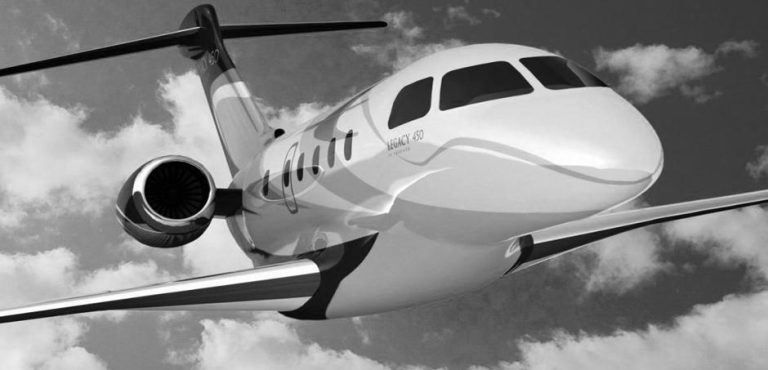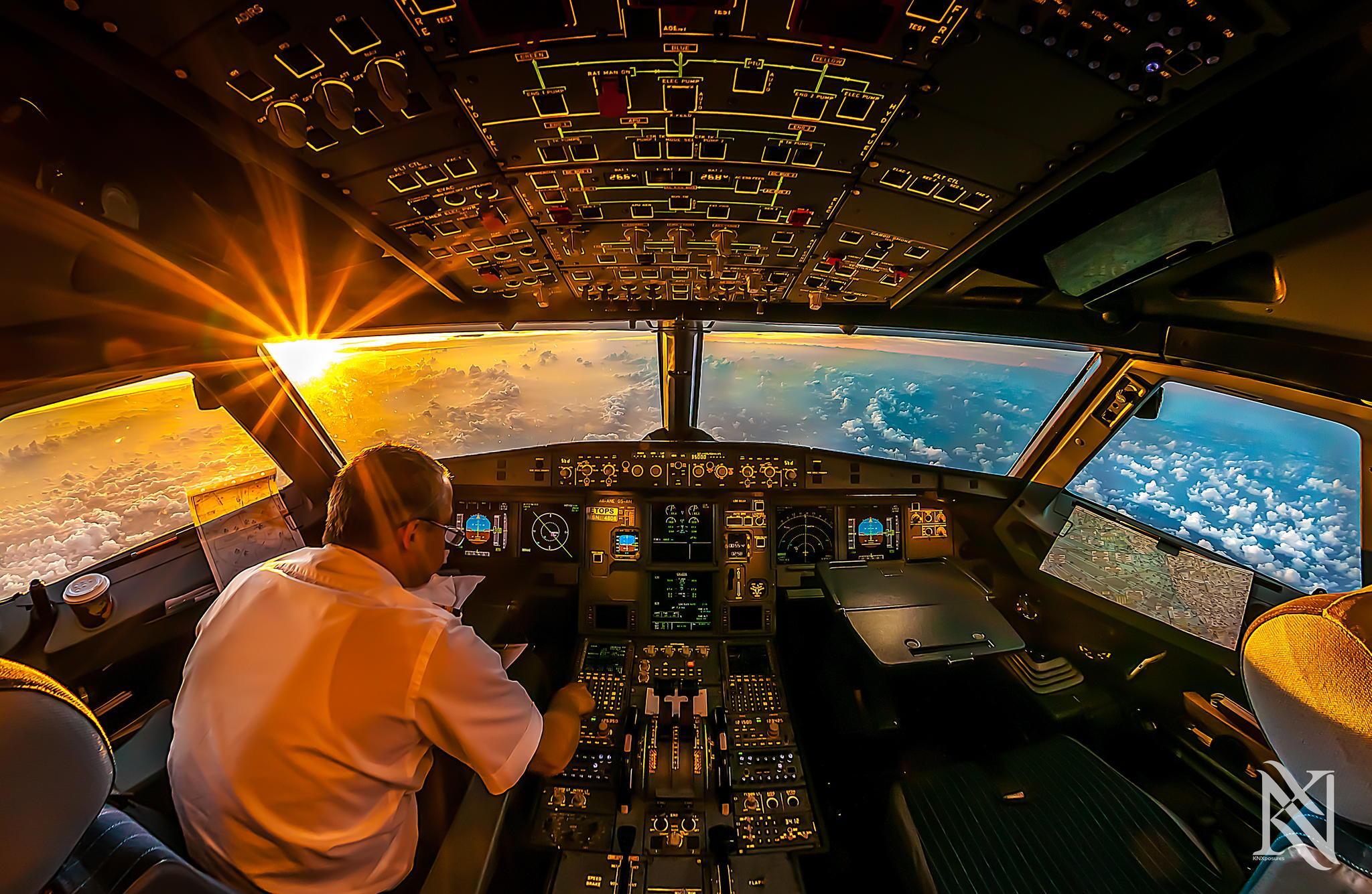
PrivateJetia Private Jet Fly 104
Introduction: Setting the Standard for Private Jet Pilots
Private jet flights offer unmatched luxury and convenience, but behind every successful journey is a highly skilled pilot. Flying a private jet requires more than a love for aviation; it demands rigorous training, specialized certifications, and adherence to strict regulatory standards. Understanding the qualifications and requirements for private jet pilots is crucial, whether you’re a prospective pilot or a private jet owner.
This article explores the comprehensive requirements for private jet pilots, including licensing, medical certifications, experience, and ongoing training. We’ll also highlight why these standards are critical for ensuring safety and excellence in the skies.
1. The Role of a Private Jet Pilot
Private jet pilots are responsible for much more than flying the aircraft. Their duties include:
- Conducting pre-flight checks and maintenance reviews
- Filing and reviewing flight plans
- Ensuring passenger safety and comfort
- Managing emergency situations
- Navigating complex airspaces and adhering to air traffic control instructions
These responsibilities require a unique blend of technical expertise, decision-making skills, and adaptability.
2. Licensing Requirements for Private Jet Pilots
Private Pilot License (PPL): The Starting Point
The Private Pilot License (PPL) is the first step for aspiring pilots. It allows holders to fly aircraft for personal use but does not permit commercial operations. Key requirements include:
- Flight Hours: A minimum of 40 flight hours, including solo and cross-country flying
- Ground School: Mastery of aviation theory, navigation, and meteorology
- Practical Test: A flight examination with an examiner to assess skills and knowledge
Commercial Pilot License (CPL): Taking the Next Step
For private jet operations, pilots must hold a Commercial Pilot License (CPL), which requires:
- Flight Hours: At least 250 hours of flight experience
- Advanced Training: Includes night flying, instrument navigation, and multi-engine aircraft operation
- Written and Practical Exams: To demonstrate competence in advanced aviation concepts and skills
Airline Transport Pilot License (ATPL): The Pinnacle of Licensing
Most private jet operators prefer pilots with an Airline Transport Pilot License (ATPL), which represents the highest certification level. Requirements include:
- Flight Hours: A minimum of 1,500 hours of flight time
- Advanced Theoretical Knowledge: Subjects such as advanced aerodynamics, flight systems, and aviation law
- Extensive Testing: Includes written, oral, and practical examinations
3. Type Ratings: Aircraft-Specific Expertise
What Is a Type Rating?
A type rating is an additional certification required to operate specific aircraft models. Since private jets vary in size, design, and complexity, pilots must undergo specialized training for each type of jet they intend to fly.
Type Rating Training
- Simulator Sessions: Pilots train in flight simulators that replicate the specific jet’s cockpit and performance.
- Flight Hours: Hands-on experience with certified instructors.
- Testing: Practical exams to ensure mastery of the aircraft’s systems and handling.
Popular private jets requiring type ratings include the Gulfstream G650, Bombardier Global 7500, and Embraer Phenom 300.
4. Medical Certification: Ensuring Fitness to Fly
Class 1 Medical Certificate
Private jet pilots must hold a Class 1 Medical Certificate, the highest level of medical certification in aviation. It includes:
- Vision Tests: 20/20 vision with or without correction
- Hearing Tests: Ability to understand normal speech at a distance
- Cardiovascular Exams: ECGs to assess heart health
- Neurological and Psychological Assessments: Ensuring mental fitness and cognitive sharpness
Medical certificates must be renewed regularly, with more frequent renewals for older pilots.
5. Flight Hours and Experience Requirements
Minimum Flight Experience
Private jet operators typically require significant flight experience, including:
- Multi-Engine Hours: Demonstrating the ability to handle the complexity of multi-engine jets
- Instrument Hours: Proficiency in instrument-only navigation, essential for poor visibility conditions
- Total Time: Many operators prefer pilots with at least 3,000 total flight hours
Recency of Experience
Regulations often mandate recent flight experience, such as completing a specific number of takeoffs and landings within the past 90 days.
6. Advanced Training and Certifications
Instrument Rating (IR)
An Instrument Rating (IR) is mandatory for private jet pilots, allowing them to navigate solely using instruments. This is critical for flying in poor weather or controlled airspace.
Crew Resource Management (CRM) Training
CRM focuses on effective communication, decision-making, and teamwork among crew members. It is especially important for managing emergencies and complex operations.
Safety Management System (SMS) Training
SMS training equips pilots with skills to identify, assess, and mitigate risks proactively.
7. Ongoing Training and Recurrent Testing
Annual Proficiency Checks
Private jet pilots undergo annual simulator sessions to test and refresh their skills, including handling emergencies such as engine failures or cabin depressurization.
Recurrent Type Rating Training
For each aircraft type, pilots must periodically renew their type ratings to stay current with operational procedures and system updates.
8. Regulatory Standards and Compliance
FAA and EASA Regulations
The Federal Aviation Administration (FAA) in the U.S. and the European Union Aviation Safety Agency (EASA) in Europe set the standards for pilot licensing, training, and operations.
International Standards
Organizations like the International Civil Aviation Organization (ICAO) ensure global consistency in aviation safety and pilot requirements.
9. Challenges and Rewards of Flying Private Jets
Challenges
- Navigating diverse airspace regulations across countries
- Managing the expectations of high-profile clients
- Maintaining peak performance under pressure
Rewards
- Access to state-of-the-art aircraft
- Opportunities to travel to exclusive destinations
- Building a career in a prestigious and lucrative industry
10. How to Become a Private Jet Pilot: A Step-by-Step Guide
- Earn a Private Pilot License (PPL)
- Gain Flight Hours and Experience
- Obtain a Commercial Pilot License (CPL)
- Pursue Instrument and Multi-Engine Ratings
- Complete Type Rating Training for Specific Jets
- Secure a Job with a Private Jet Operator
- Participate in Ongoing Training and Certifications
Conclusion: Mastering the Skies
Private jet pilots are among the most skilled and well-trained professionals in aviation. Their journey involves years of rigorous training, extensive experience, and a commitment to safety and excellence. For passengers, understanding the qualifications and requirements of private jet pilots underscores the reliability and professionalism that define the private aviation industry.
Whether you’re aspiring to become a private jet pilot or simply curious about the profession, these standards ensure that every flight is a testament to precision, expertise, and safety.