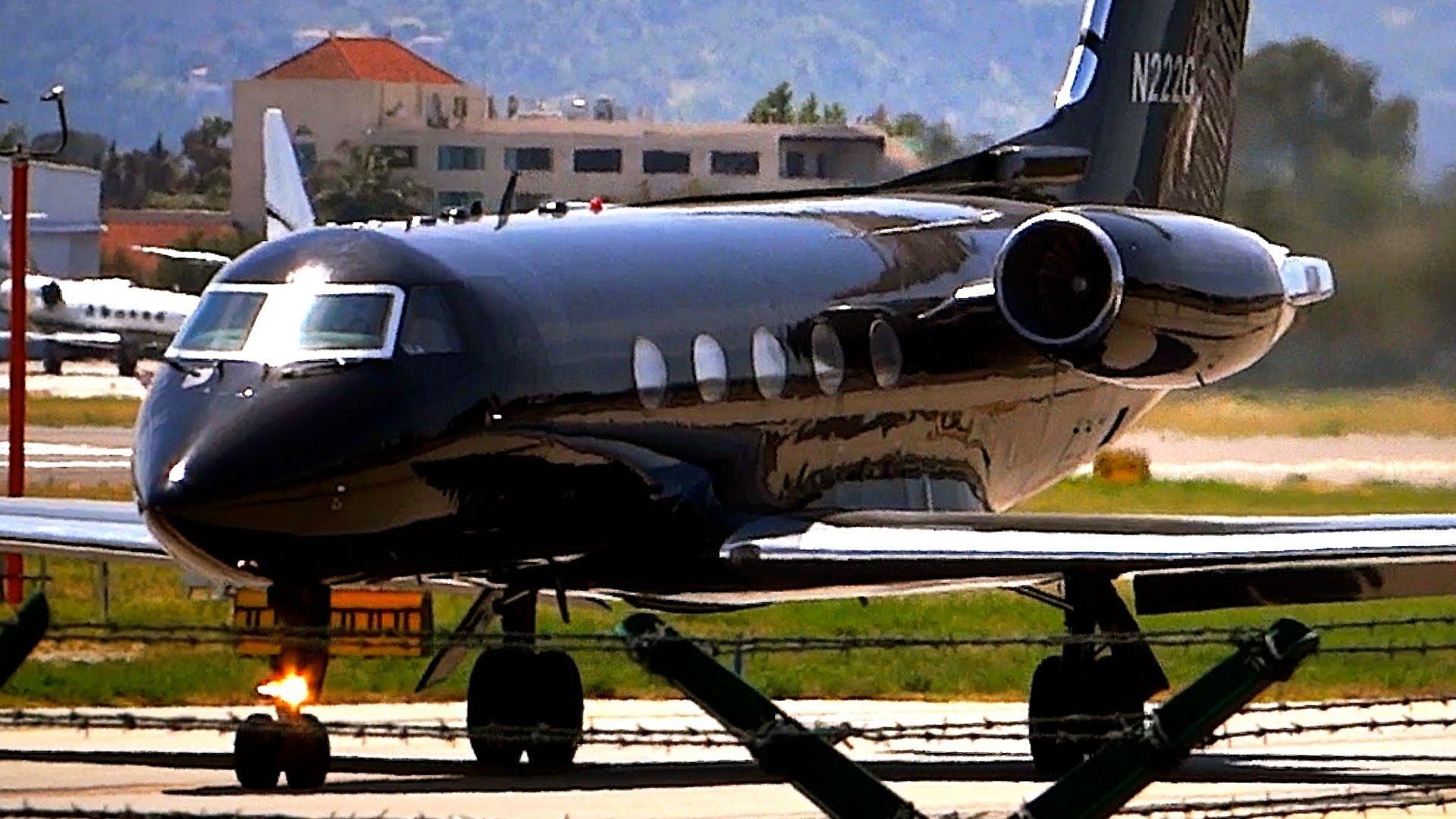
In this article, we’ll explore how quantum computing will reshape the future of private jet navigation, including improving flight safety, optimizing routes, and accelerating real-time decision-making processes.
- Quantum Computing and its Role in Aviation
Quantum computing leverages the peculiar properties of quantum mechanics to process information in fundamentally different ways compared to classical computing. While classical computers use bits to represent information as either 0 or 1, quantum computers use quantum bits (qubits), which can represent and process information in multiple states simultaneously due to superposition. This ability to handle vast amounts of data at once allows quantum computers to solve complex calculations and simulations at speeds far exceeding classical systems.
In aviation, navigation requires the processing of immense amounts of data in real-time, such as weather patterns, air traffic, and geographical data. Classical computers currently handle this task but are often limited by processing speeds and the capacity to analyze the vast and complex datasets in the time available before flight decisions need to be made. Quantum computing, however, could completely change this dynamic by offering exponentially faster and more accurate processing capabilities.
- Improved Flight Route Optimization
One of the most significant ways quantum computing will impact private jet navigation is through enhanced flight route optimization. Currently, flight planning for private jets involves considering numerous variables, such as weather conditions, air traffic, restricted airspace, fuel consumption, and distance. Flight management systems use sophisticated algorithms to calculate the best possible routes, but they are often restricted by the capabilities of classical computing.
Quantum computing’s power lies in its ability to consider an exponentially larger set of variables and optimize the flight path in real-time. By simulating multiple potential routes, quantum algorithms can quickly identify the most efficient flight paths based on changing variables, such as weather patterns and air traffic congestion. This process would not only reduce fuel consumption but also shorten flight times and minimize delays.
Additionally, quantum computers could integrate data from different sources to dynamically adjust the flight route mid-flight. For example, if weather patterns shift suddenly, quantum algorithms could adjust the flight route and altitude to avoid turbulence or other hazards, improving passenger comfort and safety.
- Enhanced Weather Prediction and Adaptation
Weather patterns are one of the most unpredictable and hazardous elements in aviation. Currently, weather data is gathered through satellite systems, radar, and ground-based sensors, and is then processed to forecast conditions for flight paths. However, forecasting is still a challenging task, especially when it comes to predicting localized weather events like thunderstorms or unexpected turbulence.
Quantum computing has the potential to revolutionize weather prediction by processing vast amounts of meteorological data in real-time and simulating various scenarios with a very uniqueed accuracy. By using quantum algorithms to analyze weather patterns at a granular level, private jets could have access to much more accurate and up-to-date information regarding weather conditions along their routes. This capability would allow pilots to make smarter, more informed decisions about flight paths and avoid hazardous weather events more effectively.
In addition, quantum computing could enable real-time weather adaptation. As a flight progresses, quantum-powered systems could adjust the navigation system instantly to account for unexpected weather changes, ensuring the smoothest and safest journey possible.
- Increased Flight Safety and Collision Avoidance
Safety is always a top priority in aviation, and quantum computing could play a key role in enhancing safety protocols. Quantum computers could process vast amounts of real-time data from radar, satellites, and onboard sensors to provide better detection of potential collisions or hazards in the airspace. By simulating and analyzing multiple collision scenarios, quantum systems can provide more accurate predictions and timely warnings to pilots, significantly reducing the risk of accidents.
In terms of air traffic management, quantum computing can improve the coordination of flights in congested airspace. Current air traffic management systems are limited by processing power and can struggle to handle the increasingly complex airspace used by private jets, commercial airlines, and unmanned aerial vehicles (UAVs). Quantum computers can help better manage this complexity by optimizing the spacing between aircraft and suggesting route adjustments to avoid potential conflicts. This ensures smoother operations and improves the safety of both private jets and surrounding air traffic.
Moreover, quantum computing can enhance onboard systems that monitor the aircraft’s health, detecting any malfunctions or irregularities. These systems can predict potential mechanical failures before they occur, giving crews more time to address issues and prevent accidents.
- Streamlined Real-Time Decision-Making
Private jets often operate in fast-paced environments where real-time decisions are crucial for ensuring a smooth and efficient flight. From adjusting flight routes to responding to air traffic control requests, every decision made during the flight needs to be precise and timely.
Quantum computing will accelerate decision-making processes by enabling near-instantaneous analysis of vast datasets. With the ability to analyze multiple variables simultaneously, quantum systems will support the pilot and crew in making quick, informed decisions based on real-time information, whether it be adjusting altitude to avoid turbulence or rerouting the flight due to sudden weather changes. Quantum-powered systems will provide recommendations and potential outcomes for each scenario, allowing pilots to act with greater confidence and precision.
This capability will not only improve flight efficiency but also enhance the overall passenger experience by reducing delays, maintaining comfort, and ensuring the safest possible journey.
- Advanced Navigation Systems for Autonomous Flights
Looking ahead, quantum computing will also be instrumental in the development of fully autonomous private jets. Currently, while private jets are operated by highly trained pilots, the future of aviation may involve increasing levels of automation. Quantum computing will be essential for managing the complex calculations and decisions required for safe, autonomous flight.
For instance, autonomous private jets will need to navigate ever-evolving air traffic patterns, monitor weather conditions, detect potential hazards, and make route adjustments, all in real-time. Quantum computing’s ability to process and analyze vast datasets quickly will be crucial in ensuring the safe and efficient operation of autonomous systems.
Quantum-powered navigation systems could simulate every aspect of the flight, providing the autonomous jet with the ability to make decisions just as effectively as human pilots. These systems will also be able to integrate data from multiple sources, such as satellites and sensors, and make instantaneous corrections based on up-to-the-minute information.
- Future Implications: Speed, Efficiency, and Sustainability
Beyond the immediate improvements in flight safety and route optimization, quantum computing could also have broader implications for the future of private aviation. With quantum-powered systems, private jets could achieve greater fuel efficiency by continuously optimizing flight paths and minimizing fuel consumption. As environmental concerns continue to grow, the ability to minimize emissions and reduce fuel use will be an important factor in the aviation industry.
Additionally, the faster processing times enabled by quantum computing could make air travel more accessible and affordable in the long term. By optimizing everything from flight planning to in-flight operations, private jets could operate more cost-effectively, lowering the price for consumers and increasing the availability of private aviation options.
Conclusion
Quantum computing has the potential to revolutionize private jet navigation, ushering in a new era of safety, efficiency, and innovation. By enabling faster and more accurate flight route optimization, improving weather prediction, enhancing flight safety, and streamlining real-time decision-making, quantum systems will provide a level of sophistication that was once unimaginable. As this technology matures, private jet owners and passengers can look forward to a safer, more efficient, and more enjoyable flying experience, one that takes full advantage of the transformative power of quantum computing.