Private Jet PrivateJetia 012
In recent decades, private aviation has become synonymous with luxury, offering a very uniqueed convenience, comfort, and exclusivity for discerning travelers. As the world continues to evolve, so too does the private aviation industry, which is steadily transforming the landscape of luxury travel. With advancements in technology, sustainability, and passenger experiences, the future of private aviation promises to revolutionize the way the world travels in style. From fully electric aircraft and autonomous flight to hyper-personalized services and eco-friendly designs, the future of private aviation is poised to have a major impact on the luxury travel industry. In this article, we will explore the key trends, technologies, and innovations that will shape private aviation in the coming years and how these changes will redefine luxury travel.
1. The Emergence of Autonomous Flight
One of the most anticipated developments in private aviation is the rise of autonomous flight. While autonomous technology is already making waves in other industries, its application to private jets is still in the early stages. However, over the next few decades, we can expect to see significant advancements in this area, which will have a profound impact on luxury travel.
Autonomous aircraft have the potential to revolutionize the entire private aviation experience, providing an unprecedented level of convenience, safety, and efficiency. These aircraft will be equipped with advanced artificial intelligence (AI) and machine learning systems that will allow them to navigate, communicate with air traffic control, and make real-time decisions without the need for a human pilot. This shift towards autonomy will have several implications for luxury travel.
First and foremost, autonomous jets will offer a more seamless and streamlined travel experience. Without the need for human pilots or flight crews, passengers will be able to enjoy a more relaxed, private journey. The elimination of pilots also means that passengers can enjoy more flexible schedules, with the ability to choose their own departure times and destinations. In addition, autonomous jets will likely be much more efficient, reducing operating costs and potentially making private aviation more accessible to a broader range of travelers.
Safety will also be significantly enhanced by autonomous technology. AI systems will be able to process vast amounts of data in real time, making faster and more accurate decisions than human pilots. This will result in a reduction in human error and an overall increase in the safety of air travel. Moreover, autonomous jets will be equipped with advanced monitoring systems that will track the health of the aircraft, diagnosing potential issues before they become problems.
2. Sustainability and Eco-Friendly Innovations
As the world becomes increasingly focused on sustainability, private aviation is following suit with eco-friendly innovations aimed at reducing its environmental impact. The future of private aviation will be defined by a major shift toward sustainable practices, including the development of electric and hybrid-electric aircraft, carbon offset initiatives, and more efficient fuel systems. These changes will not only reduce the carbon footprint of private jets but also appeal to the growing number of luxury travelers who are environmentally conscious.
Electric aircraft, which are already in development, will play a significant role in the future of private aviation. These aircraft will be powered by clean energy sources and will produce zero emissions, making them an attractive option for luxury travelers who want to reduce their environmental impact. Electric jets will be particularly well-suited for shorter regional flights, where they will be able to operate efficiently and cost-effectively.
Hybrid-electric aircraft, which combine conventional jet engines with electric motors, are also expected to become more common in the coming years. These aircraft will offer the best of both worlds: the range and speed of traditional jet engines, combined with the environmental benefits of electric propulsion. Hybrid-electric systems will allow private jets to travel longer distances while still minimizing their carbon emissions.
In addition to cleaner propulsion systems, private jets of the future will also incorporate sustainable materials and energy-efficient technologies. Lightweight materials, such as carbon fiber and advanced composites, will be used to reduce the overall weight of the aircraft, improving fuel efficiency and reducing emissions. The interiors of private jets will reflect the growing demand for sustainability, with eco-conscious materials and energy-efficient designs becoming standard features in cabin construction.
3. Hyper-Personalized Luxury Travel Experiences
The future of luxury travel is all about personalization, and private aviation will be no exception. Over the next two decades, we can expect to see a significant shift toward more personalized and customized services in the private jet industry. As technology continues to advance, private jets will become even more customized to the individual preferences of passengers, offering a level of customization that was previously unimaginable.
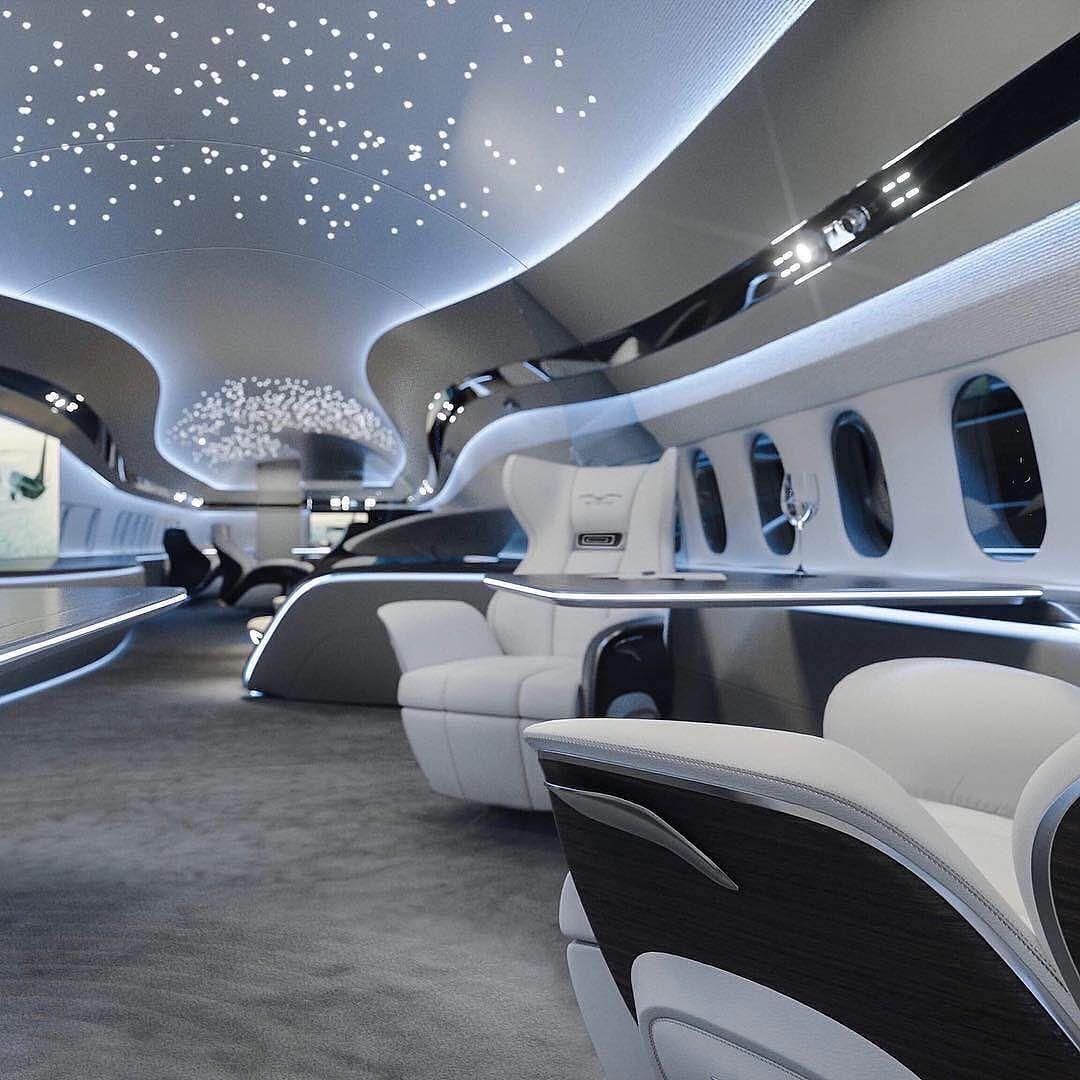
One of the most exciting developments will be the ability to design your own private jet experience using virtual reality (VR) and augmented reality (AR) technologies. Passengers will be able to visualize and customize every aspect of their aircraft, from the layout of the cabin to the selection of materials and finishes. Whether you want a sleek and modern interior or a more traditional, opulent design, future private jets will allow you to create a space that perfectly aligns with your tastes and preferences.
In addition to customizable interiors, the in-flight experience will also become hyper-personalized. AI-powered systems will be able to anticipate passengers’ needs and preferences, adjusting cabin conditions, entertainment options, and even meal selections based on individual habits. For example, if a passenger prefers a specific type of music or temperature while flying, the jet’s AI system will automatically adjust the settings to match their preferences before they board.
Furthermore, passengers will have access to a wide range of luxury services, from gourmet dining and in-flight concierge services to personalized entertainment options and wellness experiences. Future private jets may offer dedicated spaces for relaxation, business meetings, or even spa treatments, ensuring that every aspect of the journey is customized to the passenger’s needs. With the rise of smart technology, passengers will be able to control everything in the cabin, from lighting and temperature to entertainment, using voice commands or mobile apps.
4. Advanced Connectivity and In-Flight Technology
As luxury travelers continue to demand a seamless and connected experience, the future of private aviation will see significant improvements in in-flight connectivity and entertainment. The next generation of private jets will be equipped with high-speed internet, satellite-based communication systems, and cutting-edge in-flight entertainment options that will keep passengers connected and entertained throughout their journey.
The introduction of 5G connectivity will be a game-changer for private jets, providing passengers with faster, more reliable internet access. With 5G, passengers will be able to stream high-definition video, participate in virtual meetings, and browse the web at lightning-fast speeds. This will be particularly important for business travelers who need to stay connected while on the move. In addition, the high-speed connectivity will allow passengers to make phone calls, send messages, and access their favorite apps without interruption.
In-flight entertainment will also undergo a major transformation, with private jets offering a wide range of interactive and immersive options. Passengers will be able to enjoy virtual reality (VR) experiences, stream the latest movies and TV shows, and even participate in live events, all from the comfort of their seats. The use of holographic displays and interactive screens will further enhance the in-flight experience, providing passengers with personalized entertainment customized to their interests.
Moreover, private jets will feature state-of-the-art communication systems that allow passengers to stay in touch with the outside world. Whether for business or personal reasons, travelers will be able to make video calls, attend meetings, or stay in contact with loved ones, all while in the air.
5. Supersonic and Hyperloop Travel
One of the most exciting developments in the future of private aviation is the potential for supersonic travel. Supersonic jets, which are capable of flying faster than the speed of sound, are already in the testing phase and are expected to become a reality within the next two decades. These aircraft will be able to dramatically reduce travel time, allowing passengers to reach their destinations faster than ever before.
For example, a flight from New York to London, which currently takes around 7 hours on a commercial flight, could be completed in just 3.5 hours with a supersonic private jet. This speed will be particularly valuable for high-net-worth individuals who value their time and need to travel long distances quickly. Supersonic travel will also make private aviation more appealing for short-haul flights, where the speed of the aircraft will make it an even more convenient option than commercial air travel.
In addition to supersonic jets, the concept of the Hyperloop, a high-speed transportation system that uses magnetic levitation to transport passengers in pressurized pods, could also play a role in the future of luxury travel. While still in the experimental phase, the Hyperloop has the potential to transform how people travel between cities, providing a fast, efficient, and environmentally friendly alternative to traditional air travel.
6. The Future of VIP Services and Concierge
As private aviation becomes more advanced, so too will the level of service offered to passengers. The future of private aviation will see a shift toward even more luxurious and personalized VIP services. From in-flight concierge services to on-demand luxury experiences, private jet travel will offer the highest level of comfort and convenience for its passengers.
VIP services will extend far beyond the aircraft itself. Future private jet travelers can expect a seamless travel experience from start to finish, with dedicated concierge services handling every detail of their journey. Whether it’s booking accommodations at exclusive resorts, arranging private tours, or securing reservations at the finest restaurants, the future of private aviation will offer a level of luxury and convenience that goes above and beyond what’s currently available.
Moreover, future private jets will feature advanced amenities designed to cater to every passenger’s needs. From luxurious sleeping pods and spa treatments to fully equipped meeting rooms and entertainment lounges, private jets will offer everything needed to ensure that passengers enjoy a truly indulgent travel experience. Whether for business or leisure, the focus will be on providing a highly customized, seamless, and memorable journey.
Conclusion
The future of private aviation is incredibly exciting, offering numerous advancements in technology, sustainability, and passenger experience. As the industry evolves, luxury travel will be redefined by innovations such as autonomous flight, eco-friendly aircraft, hyper-personalized services, and enhanced connectivity. These changes will not only make private aviation more efficient, safe, and sustainable but also elevate the luxury travel experience to unprecedented levels of convenience and comfort. For those who seek the ultimate in exclusivity, privacy, and luxury, the future of private aviation promises to deliver a travel experience like no other.

1 thought on “How the Future of Private Aviation Will Impact Luxury Travel”