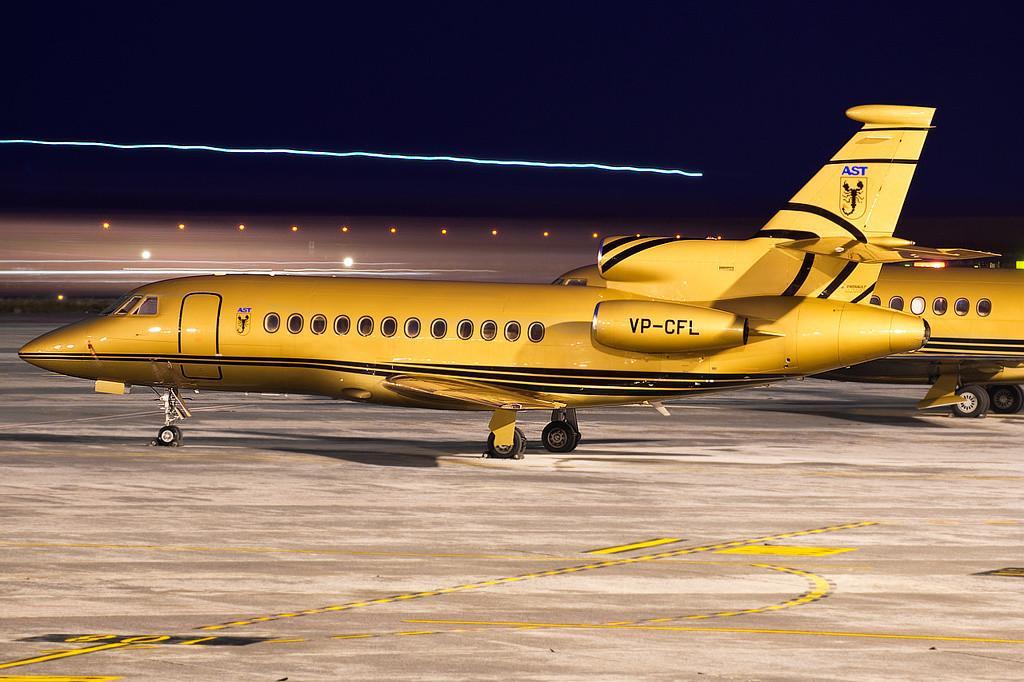
Private aviation has always been a symbol of luxury, but in recent years, private jet interiors have reached new levels of sophistication and innovation. As technology evolves and the demand for more personalized and sustainable travel experiences grows, the design of private jet interiors is undergoing a transformation. The latest trends in private jet interiors are reshaping the future of air travel, offering passengers a very uniqueed comfort, style, and convenience. From cutting-edge technology to eco-friendly materials and wellness-focused features, private jets are becoming more than just a mode of transportation – they are turning into a sanctuary in the sky. This article explores how the latest trends in private jet interiors are shaping the future of private aviation and what it means for travelers.
The Push for Hyper-Personalization in Private Jet Interiors
One of the most significant trends in private jet interiors is hyper-personalization. Today’s wealthy travelers are no longer satisfied with one-size-fits-all designs; they want interiors that reflect their personal style and preferences. The desire for custom-made furnishings, layouts, and designs has never been greater.
- Bespoke Design: Designers now offer clients the ability to customize every aspect of the jet’s interior, from the choice of materials to the color schemes and the style of furniture. Whether it’s selecting the finest Italian leather, rare woods, or gold accents, owners can ensure their private jet reflects their tastes and personality.
- Flexible Layouts: A key aspect of hyper-personalization is the ability to choose layouts that suit specific needs. For instance, some owners may prefer a large open-plan living space with a full-size lounge and bar, while others may opt for a more intimate layout with private bedrooms and bathrooms.
- Smart Technology Integration: Hyper-personalization also includes the integration of smart home technology. Passengers can control everything from lighting and temperature to entertainment systems and even the angle of the seats with just a few taps on a touchscreen or via voice commands.
Sustainable Luxury: A Growing Trend in Private Jet Interiors
Sustainability is no longer just a buzzword – it’s a driving force behind the latest trends in private jet interiors. With growing awareness of environmental issues, jet manufacturers are increasingly incorporating sustainable materials and practices into their designs.
- Eco-Friendly Materials: Many private jet interiors now feature sustainable materials such as recycled fabrics, bamboo flooring, and low-emission leathers. The use of sustainable materials not only reduces the environmental impact but also offers a unique, high-end aesthetic.
- Energy-Efficient Features: Energy efficiency is a key consideration in the design of private jet interiors. From energy-efficient LED lighting to advanced climate control systems that optimize energy use, private jets are becoming more eco-friendly.
- Sustainable Aviation Fuels: Some private jet owners are opting to fly with sustainable aviation fuels (SAF) that significantly reduce carbon emissions. The aviation industry is working towards increasing the availability and affordability of SAF, making it easier for private jet owners to reduce their carbon footprint.
Wellness-Focused Features for In-Flight Comfort
As health and wellness become increasingly important in our daily lives, private jet designers are incorporating wellness-focused features into their cabins to help passengers feel relaxed and rejuvenated during their flights.
- Advanced Air Quality Systems: One of the most important aspects of in-flight wellness is air quality. Modern private jets are equipped with advanced filtration systems that ensure passengers breathe clean, fresh air throughout the flight. These systems remove allergens, bacteria, and viruses, creating a healthier environment on board.
- Mood-Enhancing Lighting: Lighting plays a crucial role in creating a comfortable and relaxing atmosphere. The latest private jets feature advanced lighting systems that can be adjusted to suit the time of day and the passenger’s mood. For instance, passengers can choose soft, warm lighting to create a calming ambiance or bright, energizing lights to stay alert.
- Ergonomic Furniture: To ensure maximum comfort during long flights, private jet interiors feature ergonomic seating that supports proper posture and reduces fatigue. Adjustable seats with memory foam cushioning, built-in massage functions, and heated or cooled options are all available to enhance the in-flight experience.
- Onboard Spa Facilities: For those looking to truly unwind, some private jets now offer onboard spa facilities, including showers, saunas, and even full-service treatment rooms. These amenities allow passengers to arrive at their destination feeling refreshed and energized.
The Role of Smart Technology in Transforming Private Jet Interiors
The integration of smart technology is one of the most exciting developments in private jet interiors. Technology is no longer just about entertainment – it’s about making the entire in-flight experience more seamless and enjoyable.
- Voice-Controlled Systems: With voice-activated technology becoming more prevalent, many private jets now feature voice-controlled systems that allow passengers to adjust the cabin’s environment without lifting a finger. Passengers can ask the system to adjust the temperature, change the lighting, play music, or even order food and drinks, all with simple voice commands.
- In-Flight Connectivity: As business travelers and entrepreneurs demand more connectivity, private jets are now equipped with high-speed internet access and video conferencing capabilities. Whether passengers need to attend a virtual meeting, send emails, or stream a movie, the latest jets provide fast and reliable connectivity.
- Entertainment Systems: Private jets are increasingly equipped with state-of-the-art entertainment systems, including large screens, surround sound, and extensive libraries of movies, music, and games. Some jets even feature immersive experiences like virtual reality (VR) or augmented reality (AR) to entertain passengers during long flights.
- Smart Cabin Features: In addition to controlling the lighting and temperature, passengers can use smart technology to adjust the seating configuration, access entertainment options, and even request specific services. These intelligent systems adapt to the preferences of each individual, creating a more personalized and convenient experience.
Luxury Meets Design Innovation: Cutting-Edge Aesthetic Trends
The aesthetic design of private jet interiors is also evolving, with more emphasis placed on creating visually stunning spaces that feel like five-star hotel rooms in the sky.
- Modern Minimalism: Many of the latest private jet interiors feature minimalist designs that focus on clean lines, sleek finishes, and an uncluttered feel. Neutral tones, such as whites, beiges, and soft grays, are commonly used to create a calming and sophisticated atmosphere.
- Opulent Materials: While minimalist designs are popular, luxury is never sacrificed. The materials used in private jet interiors include rare woods, precious metals, and high-end fabrics like velvet and silk. Gold, platinum, and crystal accents add a touch of glamour and refinement to the cabin.
- Maximalist Elegance: On the other end of the spectrum, some private jet interiors embrace maximalist designs, incorporating bold patterns, rich colors, and lavish details. These designs create a sense of extravagance and opulence, with every element meticulously curated to create a unique and luxurious space.
- Sculptural Furniture: Furniture is no longer just functional – it’s a work of art. Many private jet interiors feature custom-made, sculptural furniture that blends form and function. From sculptural chairs to intricately designed tables, every piece of furniture is carefully chosen to complement the overall aesthetic of the jet.
The Future of Private Jet Interiors: A Look Ahead
As technology continues to advance, the future of private jet interiors promises even more innovation and luxury. Designers are constantly pushing the boundaries of what’s possible, creating interiors that combine cutting-edge technology, sustainability, and a very uniqueed comfort.
- AI-Driven Design: In the future, artificial intelligence (AI) may play a significant role in the design process. AI can analyze passenger preferences and recommend custom interior layouts, furniture, and features that meet their exact needs.
- Augmented Reality Design: Some private jet manufacturers are experimenting with augmented reality (AR) to help clients visualize and customize their jet interiors before construction begins. With AR, clients can see how different design elements will look in their jet, allowing for a more interactive and immersive design experience.
- Sustainable Aviation: As the aviation industry continues to focus on sustainability, private jets will become even more eco-friendly. Innovations in lightweight materials, energy-efficient systems, and sustainable fuels will help reduce the environmental impact of private jet travel while maintaining the highest levels of luxury.
- Modular and Transformable Interiors: Future private jets may feature modular, transformable interiors that can be easily reconfigured to meet the needs of different passengers. For example, the same space could serve as a private bedroom, a conference room, or a dining area, depending on the flight’s purpose.
Conclusion
The latest trends in private jet interiors are reshaping the way we think about luxury travel. Hyper-personalization, sustainability, wellness-focused features, and cutting-edge technology are just a few of the innovations that are making private jets more luxurious than ever before. As the industry continues to evolve, private jet interiors will become even more sophisticated, offering passengers an a very uniqueed level of comfort, convenience, and style. The future of private aviation is bright, and it’s clear that the trends we’re seeing today will shape the travel experiences of tomorrow.