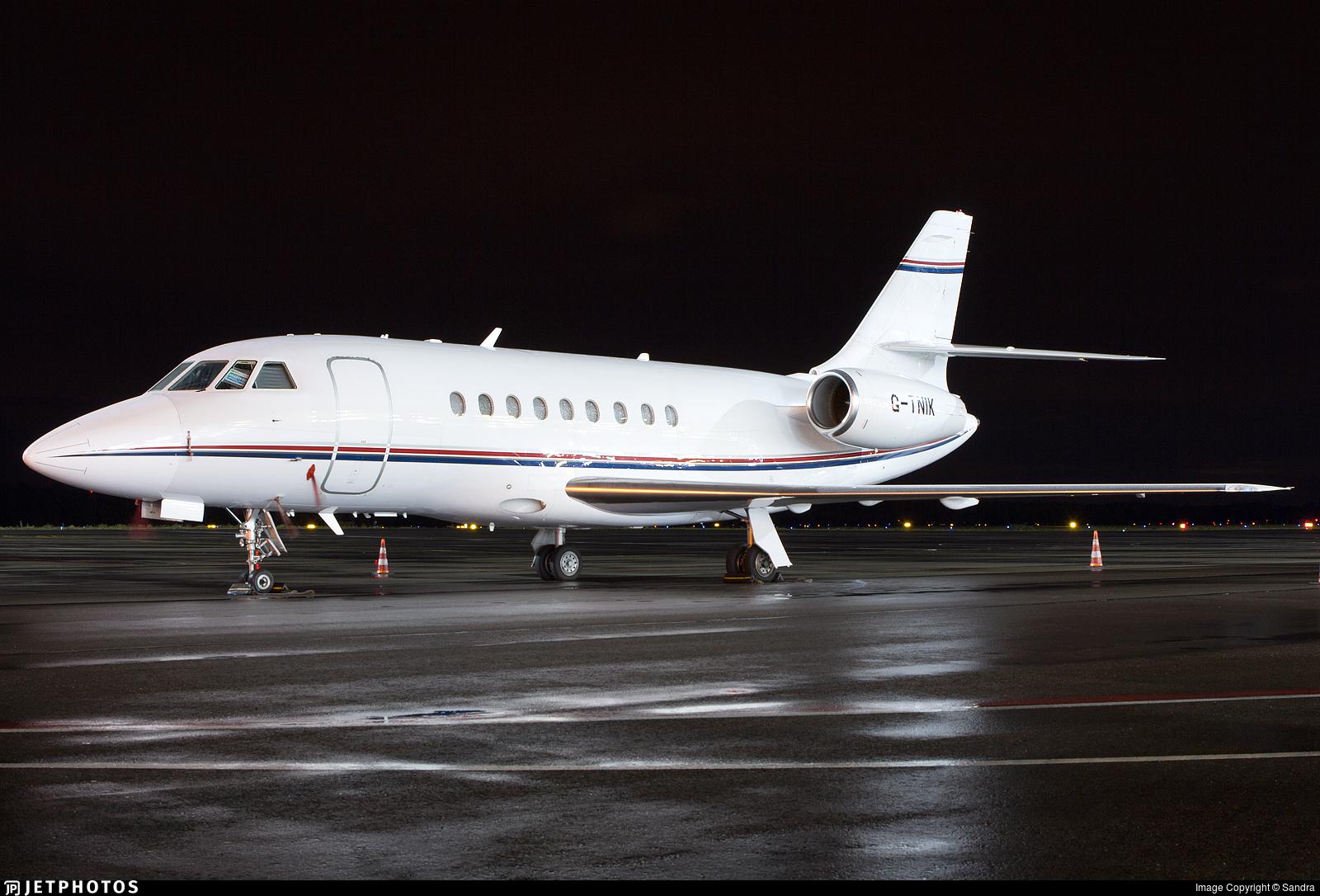
Owning a private jet is a luxury that offers a very uniqueed convenience and comfort, but it also comes with significant responsibilities. One of the most important aspects of maintaining a private jet is ensuring that it remains in optimal working condition. Just like any sophisticated piece of machinery, a private jet requires regular maintenance to stay safe, efficient, and operational. However, maintaining a jet is not a cheap endeavor, and owners must plan accordingly to avoid financial surprises. Budgeting for the ongoing maintenance of a private jet is essential for ensuring long-term financial stability and avoiding unexpected costs.
In this article, we will explore the various factors that influence the maintenance costs of a private jet, how to budget for these expenses, and tips for managing and reducing maintenance costs over time. From routine inspections to unexpected repairs, we’ll cover all aspects of jet maintenance and offer practical advice for keeping your private jet in excellent condition without breaking the bank.
Understanding the Costs of Private Jet Maintenance
Before diving into the budgeting process, it’s essential to understand the various components that contribute to the maintenance costs of a private jet. These costs can vary significantly depending on factors such as the size of the aircraft, its age, usage, and the type of services it requires. The primary costs involved in private jet maintenance include:
- Routine Maintenance and Inspections Routine maintenance is scheduled based on flight hours, calendar months, or cycles. It includes regular inspections, fluid checks, lubrication, and other basic upkeep tasks. Routine maintenance is essential for preventing costly repairs and ensuring the jet is operating safely. This type of maintenance is typically less expensive, but it still adds up over time.
- Engine Overhauls Engines are the most expensive component of any aircraft. They require regular overhauls at specified intervals to ensure they continue to perform safely and efficiently. These overhauls can be quite costly, and they often involve disassembling and reassembling the engine, replacing worn components, and addressing any issues that may have arisen. Depending on the size of the engine and the type of aircraft, engine overhauls can cost anywhere from $200,000 to $1 million or more.
- Parts Replacement Over time, various parts of the aircraft will wear out and need to be replaced. This can include everything from tires and batteries to avionics and hydraulic systems. The cost of parts replacement can vary greatly depending on the specific components that need to be replaced. For example, replacing an avionics system or radar can cost tens of thousands of dollars, while replacing tires and filters may cost a fraction of that amount.
- Repairs and Unscheduled Maintenance In addition to routine maintenance, private jets may require unscheduled repairs due to unexpected issues or malfunctions. These repairs can range from minor issues, like fixing a faulty electrical system, to major repairs, like replacing a damaged wing. Unscheduled maintenance can be much more expensive than routine upkeep, and it’s essential to set aside funds to cover these unpredictable costs.
- Fuel and Operating Costs Fuel is one of the largest ongoing expenses for private jet owners. The cost of fuel can fluctuate significantly based on global oil prices, the aircraft’s fuel efficiency, and the distances traveled. In addition to fuel, operating costs include pilot salaries, flight crew, hangar fees, insurance, and other operational expenses that can add up quickly.
Creating a Maintenance Budget for Your Private Jet
Creating a well-structured maintenance budget for your private jet involves understanding the various expenses associated with keeping the aircraft in top condition. To ensure that your budget is accurate and realistic, consider the following steps:
- Determine the Total Annual Maintenance Cost The first step in budgeting for private jet maintenance is to estimate the total annual cost of upkeep. This can be done by calculating the costs associated with routine maintenance, engine overhauls, parts replacement, unscheduled repairs, and operating expenses. You may need to consult with your aircraft management company or a qualified aviation mechanic to get an accurate estimate of these costs.While the specific costs will vary depending on your aircraft, a general rule of thumb is that private jet owners can expect to spend between 5% and 10% of the jet’s purchase price on annual maintenance. For example, if your jet costs $10 million, you may need to budget around $500,000 to $1 million per year for maintenance.
- Break Down Costs by Category Once you have an estimate of the total annual maintenance cost, break it down into categories to ensure that you allocate sufficient funds for each aspect of maintenance. For example:
- Routine Maintenance: $100,000–$250,000 per year
- Engine Overhauls: $200,000–$500,000 (depending on the engine type and overhaul schedule)
- Parts Replacement: $50,000–$150,000 per year
- Repairs and Unscheduled Maintenance: $50,000–$100,000 per year
- Fuel Costs: $200,000–$500,000 per year, depending on usage
These estimates will vary based on the size and type of jet, but they provide a general idea of how to allocate funds for each category.
- Set Aside a Contingency Fund It’s always wise to set aside a contingency fund to cover unexpected maintenance costs that may arise throughout the year. Unforeseen repairs or parts replacements can quickly drain your budget, so having a financial cushion can help you avoid surprises. Aim to set aside 10-15% of your total maintenance budget for contingencies. This ensures that you are prepared for any unexpected repairs or issues that may arise.
- Consider Long-Term Maintenance Costs In addition to annual maintenance, you should also consider the long-term costs associated with maintaining your private jet. This includes the cost of major repairs, engine overhauls, and significant parts replacements that occur every few years. For example, you may need to budget for a full engine overhaul every 3,000 flight hours or a major avionics upgrade every 5-10 years. These long-term costs should be factored into your overall budget to ensure that you are financially prepared for these large expenses when they arise.
- Evaluate the Cost of Aircraft Management Services Many private jet owners opt to hire aircraft management companies to handle the day-to-day operations and maintenance of their jet. These companies can provide a range of services, including scheduling maintenance, managing repairs, and ensuring that the aircraft complies with aviation regulations. While aircraft management services come with an added cost, they can save you time and money by streamlining the maintenance process and ensuring that your jet is always in top condition. Be sure to include the cost of these services in your overall budget.
Tips for Managing and Reducing Maintenance Costs
While private jet maintenance can be expensive, there are several strategies you can use to manage and reduce costs over time:
- Adopt Preventive Maintenance Practices Preventive maintenance is the key to reducing long-term repair costs. By staying on top of routine maintenance and addressing small issues before they become major problems, you can avoid costly repairs and unscheduled downtime. Regularly inspect key components, such as engines, avionics, and airframe, and replace parts as needed to prevent more extensive damage.
- Keep Track of Maintenance Records Keeping detailed records of all maintenance activities is essential for managing costs and ensuring that your jet stays in compliance with aviation regulations. Accurate records also help you identify patterns of wear and tear, which can inform future maintenance decisions. These records may also be valuable when selling the aircraft, as potential buyers will want to see proof of the jet’s maintenance history.
- Work with a Trusted Aircraft Management Company An experienced aircraft management company can help you streamline maintenance scheduling, reduce costs, and ensure that your jet is always in optimal condition. These companies often have established relationships with suppliers, which can help them secure discounts on parts and services. They can also assist with finding reliable, cost-effective maintenance providers and handling scheduling for routine inspections and repairs.
- Explore Financing Options for Major Maintenance Costs If you anticipate significant maintenance expenses, such as engine overhauls or major repairs, consider exploring financing options to spread the cost over time. Financing allows you to manage large maintenance costs without straining your cash flow. Many private jet owners choose to finance these major expenses through loans or leasing options, which can provide flexibility and ease the financial burden.
- Consider Upgrading to a More Efficient Aircraft If maintenance costs are becoming a significant burden, it may be worth considering upgrading to a more efficient aircraft. Newer models often come with improved fuel efficiency, lower maintenance requirements, and advanced technology that can reduce long-term operating costs. While the upfront cost of a new aircraft may be higher, the long-term savings on maintenance and fuel could offset the investment.
Conclusion
Budgeting for the ongoing maintenance of your private jet is crucial for ensuring its longevity, safety, and optimal performance. By understanding the various costs involved and creating a detailed budget, private jet owners can plan effectively and avoid unexpected financial burdens. Regular maintenance is vital to keeping your jet in top condition, reducing the risk of costly repairs, and ensuring the safety of all passengers. With proper planning, preventive maintenance, and strategic cost management, you can enjoy the benefits of private jet ownership without the stress of unforeseen expenses.