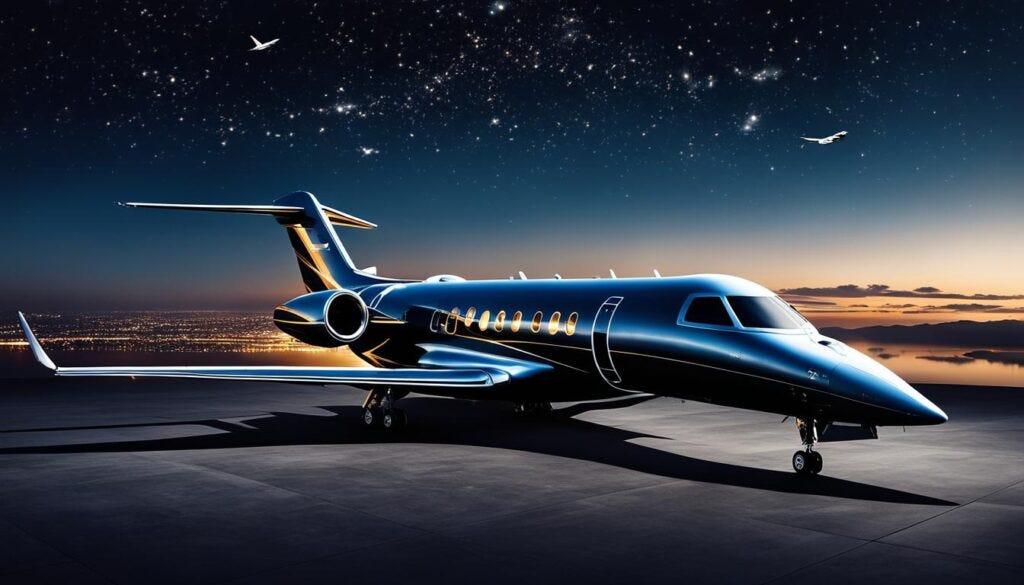
private jet technology privatejetia 26
The aviation industry is rapidly evolving, and with increasing demand for sustainability, luxury private jets are at the forefront of this transformation. One of the most exciting innovations in this space is the rise of bio-engineered leather seats, which offer both luxurious comfort and a significant reduction in environmental impact compared to traditional leather. These seats are crafted from sustainable materials and advanced biotechnologies, blending high-end design with eco-conscious principles to create a truly futuristic flying experience.
What is Bio-Engineered Leather?
Bio-engineered leather, also known as vegan leather or plant-based leather, is made from organic materials like fungi, pineapple leaves, apple peels, or cactus fibers, rather than relying on animal hides. These materials are treated and processed through advanced biotechnology to replicate the appearance and texture of real leather while being entirely cruelty-free. As demand for sustainable and ethical alternatives to traditional leather grows, bio-engineered leather has emerged as a key player in reshaping industries such as fashion, furniture, and now, aviation.
In luxury private jets, bio-engineered leather seats are designed to replicate the feel, durability, and aesthetic appeal of traditional leather, but with a much lower environmental footprint. The material is often lighter, more breathable, and easier to maintain, making it ideal for aircraft interiors where comfort and longevity are paramount. The future of bio-engineered leather seats in private jets not only promises a more sustainable approach to luxury but also opens the door to a variety of new designs and functionalities that align with the needs of modern travelers.
The Environmental Benefits of Bio-Engineered Leather in Private Jets
One of the driving forces behind the adoption of bio-engineered leather in luxury private jets is its environmental benefits. Traditional leather production is a resource-intensive process that involves extensive water usage, chemicals, and energy consumption. The livestock industry, which supplies the hides, also contributes significantly to greenhouse gas emissions, making leather a controversial material in the context of sustainability.
Bio-engineered leather, however, reduces many of these environmental impacts. For example, materials like mushroom leather or apple leather require far less water and energy to produce, and they eliminate the need for harmful chemicals such as those used in tanning processes. Additionally, many of these plant-based leathers are biodegradable, offering a significantly lower carbon footprint and less environmental damage when they reach the end of their lifecycle.
Luxury private jet manufacturers are increasingly focused on reducing the environmental impact of their aircraft, and incorporating bio-engineered leather seats is a major step in achieving this goal. As private jet owners become more environmentally conscious, the demand for sustainable interiors will continue to rise, driving the adoption of these innovative materials.
Design Flexibility and Customization
Beyond sustainability, bio-engineered leather offers unprecedented design flexibility and customization options for private jet interiors. Traditional leather can be somewhat limited in terms of textures and colors, as it relies on natural hides that vary in quality. Bio-engineered leather, on the other hand, can be engineered to meet specific aesthetic and functional requirements, giving designers greater freedom to create unique and cutting-edge designs.
Luxury private jet cabins are often a blend of comfort, style, and technology, and bio-engineered leather plays a significant role in this. Whether it’s incorporating vibrant hues, creating intricate textures, or designing custom patterns, bio-engineered leather allows for a greater degree of personalization. Passengers can enjoy not only the tactile appeal of the material but also the visual richness that complements the high-end luxury of their private jet.
Additionally, the material can be customized to suit specific temperature regulation needs. Since bio-engineered leather is naturally breathable and moisture-wicking, it can provide more consistent comfort in varying temperatures, making it perfect for long-haul flights where fluctuating cabin temperatures might otherwise be a concern.
Durability and Maintenance
When it comes to the interior of a luxury private jet, durability is a critical factor. The seats must withstand constant use while maintaining their luxurious appearance and comfort. Bio-engineered leather excels in this regard, offering enhanced durability compared to traditional leather.
Bio-engineered leathers are often more resistant to wear and tear, including scratches, stains, and fading. Unlike natural leather, which requires frequent maintenance to keep its appearance, bio-engineered leather often requires less upkeep, making it an ideal choice for private jet owners who seek long-lasting quality with minimal effort. Additionally, the material is generally more easy to clean, as its surface is often more resistant to absorbing dirt and oils, which are common in high-traffic areas like aircraft cabins.
For private jet owners, the ability to keep their interiors looking pristine with minimal maintenance is a huge advantage. Moreover, the longevity of bio-engineered leather ensures that the luxury seating remains functional and stylish for years, reducing the need for costly replacements or refurbishments.
The Comfort Factor: Better Than Traditional Leather?
While comfort is often the primary consideration when designing seating for private jets, bio-engineered leather does not compromise on this aspect. In fact, some forms of bio-engineered leather offer superior breathability and moisture control, which enhances comfort during long flights. Traditional leather can often feel stiff and hot, particularly on warm days, whereas bio-engineered leather can regulate body temperature more effectively, providing a cooler and more comfortable seating experience.
Moreover, the natural elasticity of some bio-leathers can provide more cushioning and softness, offering additional comfort during extended flights. The material adapts to the contours of the body, creating a seating experience that rivals, if not exceeds, that of traditional leather seats. Whether the seat is upholstered in a mushroom leather or a pineapple-based leather, the comfort and ergonomics of these materials are proving to be ideal for private aviation.
The Future of Bio-Engineered Leather Seats in Private Jets
As technology advances, we can expect bio-engineered leather to become even more sophisticated and versatile. Future developments could lead to smarter leather seats with built-in temperature controls, adjustable textures, or even self-cleaning properties that enhance the overall user experience. Imagine a seat that adjusts its softness based on the time of day or one that incorporates sensors to track passenger comfort levels.
In addition, collaborations between bio-engineered leather manufacturers and private jet interior designers will likely push the boundaries of what’s possible in terms of both luxury and sustainability. As more manufacturers embrace the eco-conscious movement, it is expected that bio-engineered leather will become a standard feature in luxury private jets, offering an environmentally friendly alternative without compromising on the high standards of comfort, design, and luxury that passengers expect.
Conclusion
The future of bio-engineered leather seats in luxury private jets looks incredibly promising. With its sustainable production processes, enhanced durability, and improved comfort, bio-engineered leather is well-positioned to become a staple in private jet interiors. As the aviation industry continues to embrace greener solutions, bio-leathers provide a perfect blend of luxury and eco-consciousness, offering private jet owners a sophisticated and environmentally responsible choice for their aircraft interiors. As innovations in bio-engineered leather continue to evolve, passengers can expect even more personalized and luxurious flying experiences.

2 thoughts on “The Future of Bio-Engineered Leather Seats in Luxury Private Jets”