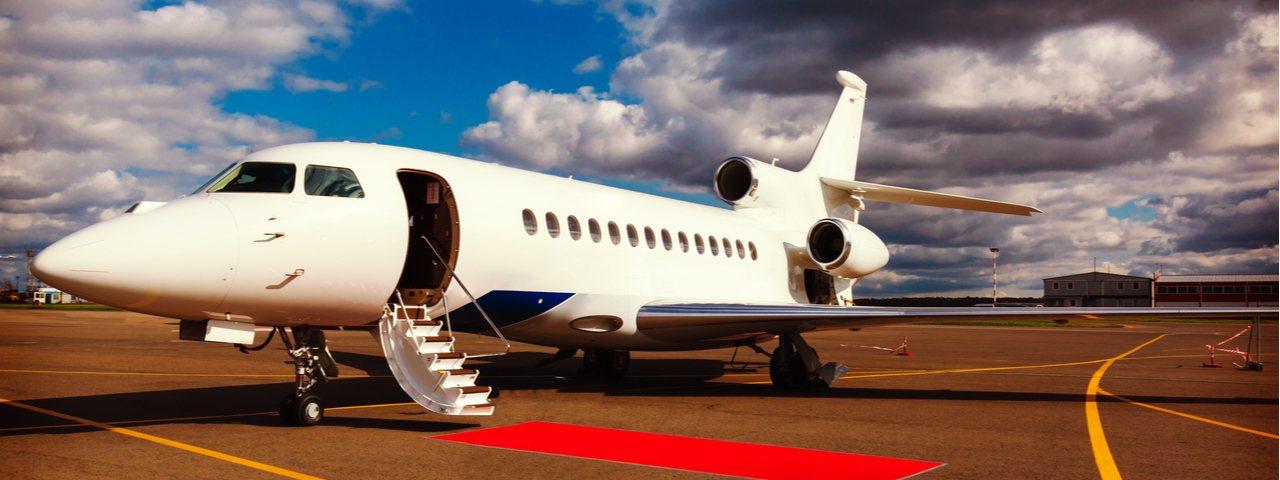
Private jet ownership is the ultimate symbol of luxury, success, and freedom. For the elite few, it’s not just about owning a mode of transport, it’s about enhancing personal and professional experiences, accessing unparalleled convenience, and making a statement. But for those who are new to this exclusive world, buying a private jet can seem like an overwhelming process. The good news is, with the right knowledge, creativity, and a strategic approach, buying a private jet can be an exciting and rewarding investment.
In this creative blueprint, we’ll walk you through everything you need to know about purchasing a private jet, from defining your requirements to finalizing the deal. Whether you’re looking to enhance your business travel capabilities, enjoy a more luxurious lifestyle, or streamline your personal journeys, this guide provides the smart approach to making a sound investment in the world of private aviation.
Step 1: Define Your Needs and Priorities
Before diving into the market, it’s important to first define why you want to buy a private jet. Your decision should be based on clear priorities and long-term goals, rather than impulse or prestige alone. Understanding your true needs will help guide you through the entire buying process and ensure that your investment pays off.
- Determine the Purpose of Your Jet: The first step is to assess why you’re interested in private jet ownership. Are you purchasing for personal convenience and luxury, business efficiency, or both? Identifying the purpose will help you determine the size, range, and specifications of the jet. For example, if you need a jet to frequently travel internationally for business, you may opt for a long-range aircraft such as the Gulfstream G650 or Bombardier Global 6000. However, if you plan to use the jet for regional trips with family and friends, a smaller jet like the Cessna Citation XLS might be more suitable.
- Passenger Capacity: The number of people you typically travel with should play a significant role in your decision. Small jets accommodate up to eight passengers, while larger jets can carry more than 12. A good rule of thumb is to plan for the maximum number of passengers you expect to have on most trips.
- Distance and Range: Assess the average distance you’ll be traveling. Do you often fly cross-country or across the globe? The range of the jet plays a key role in determining which models are ideal. Jets with greater range often come with a higher price tag, so balancing range with your travel patterns is essential.
- Luxury Features and Comfort: Consider how important luxury amenities are to you. Do you need a spacious cabin with high-end finishes, a full-service kitchen, or a private bedroom for long flights? Different models offer varying levels of comfort and customization, so knowing your preferences beforehand will guide your choices.
Setting these parameters early on ensures you don’t waste time or money considering jets that don’t fit your needs.
Step 2: Understand Your Financial Landscape
Buying a private jet is not just a financial commitment, it’s a significant investment. While many may assume the price tag is the only cost involved, the truth is that private jet ownership comes with several ongoing expenses. A well-thought-out financial plan can help you avoid unexpected financial strain while ensuring you make a smart investment.
- Initial Purchase Cost: The cost of a private jet can vary greatly depending on its size, model, age, and features. Smaller jets can be found for as little as $3 million, while larger jets, like the Boeing Business Jet (BBJ), can exceed $100 million. Between these extremes, you’ll find a variety of options, with mid-range jets typically costing anywhere from $10 million to $50 million.
- Operating and Maintenance Costs: The costs don’t stop at the initial purchase. Owning a private jet means you’ll need to budget for ongoing operating and maintenance costs. These can range from $500,000 to $3 million annually, depending on the size and frequency of use. Expenses include fuel, crew salaries, hangar fees, maintenance, and insurance.
- Financing Your Jet: If you’re not paying cash upfront, you’ll need to explore financing options. Typically, buyers make a down payment of around 20-30% of the jet’s purchase price and then secure a loan for the remainder. Loan terms can vary, but they usually last between five to ten years. Leasing or fractional ownership may also be viable options for buyers looking for more flexibility and lower upfront costs.
- Tax Implications: As with any significant investment, private jet ownership comes with tax considerations. In some regions, buyers can write off portions of the purchase cost, maintenance, and fuel as business expenses, reducing their tax liability. To navigate the complexities of aviation taxes, it’s advisable to consult with a professional who understands the nuances of aircraft taxation.
- Depreciation: Just like any other asset, private jets depreciate over time. New jets typically lose value quickly, with the largest drop occurring within the first five years. However, if you purchase a well-maintained pre-owned jet, it may retain value more effectively than a new one. Understanding how depreciation impacts your long-term investment is essential to making an informed decision.
Step 3: Conduct In-Depth Market Research
Once you have a clear understanding of your financial situation, it’s time to begin researching the private jet market. The private aviation industry can be complex and often lacks the transparency of more traditional markets. By gaining insights into market trends and the various options available, you can approach the buying process with confidence.
- New vs. Pre-Owned Jets: Deciding whether to buy a new jet or a pre-owned one is a critical decision. While new jets offer the latest technology, customizations, and warranties, they come with a hefty price tag. Pre-owned jets, on the other hand, can be significantly cheaper, but they may require additional inspections and repairs. The key is to evaluate whether the price savings outweigh the potential costs of maintaining an older aircraft. Keep in mind that well-maintained pre-owned jets can provide just as much value as a new one.
- Jet Models and Manufacturers: Some of the top manufacturers of private jets include Gulfstream, Bombardier, Dassault, and Embraer. Each manufacturer offers a variety of models with different specifications. Some models are known for their range and performance, while others focus on luxury and comfort. Make sure you research the different models to determine which aligns best with your needs and preferences.
- Current Market Conditions: The private jet market is often influenced by global economic conditions, fuel prices, and technological advancements. For instance, during periods of economic downturn, the market may become saturated with jets, resulting in lower prices. On the other hand, during times of high demand, prices may rise. It’s essential to understand market cycles and time your purchase to maximize value.
- Use a Broker: Working with a private jet broker can make the process of finding and purchasing a jet much easier. A good broker will have access to a wide network of sellers and can help you negotiate the best deal. They’ll also ensure that the jet is in top condition and guide you through the paperwork, inspections, and legal considerations.
Step 4: Perform a Thorough Inspection
Once you’ve identified a few potential jets, it’s time to have them thoroughly inspected. This step is critical to ensure that the jet is in good condition and doesn’t require any major repairs.
- Pre-Purchase Inspection (PPI): This inspection is non-negotiable, especially when buying a pre-owned jet. A professional inspector will examine the airframe, engine, avionics, and overall condition of the jet. The PPI will provide you with a clear picture of the jet’s condition and any potential issues, such as corrosion, engine wear, or outdated avionics.
- Maintenance History: Request a complete maintenance history for any pre-owned jet. This includes details about any repairs, replacements, and upgrades that have been made to the aircraft. A well-maintained jet will save you money in the long run by reducing the likelihood of costly repairs.
- Verify the Seller: Ensure the seller has a good reputation and a history of transparent transactions. Reputable dealers or brokers will provide documentation to confirm the jet’s condition and history. If you’re buying from a private seller, do extra due diligence to ensure that the jet is not involved in any legal issues or past accidents.
Step 5: Negotiate the Deal
Negotiation is an art, and when it comes to buying a private jet, it’s important to approach it strategically. The key is to be informed and assertive, but also flexible.
- Price Negotiation: Always be prepared to negotiate. Sellers often list their jets at a higher price, expecting some room for negotiation. Having market knowledge, understanding the jet’s value, and knowing the seller’s motivation can give you an advantage during negotiations.
- Include Extra Terms: When negotiating the deal, it’s not just about the price. You can also negotiate terms such as delivery dates, warranties, maintenance agreements, and other added services. If you’re buying a new jet, manufacturers may offer incentives such as complimentary upgrades or added features.
- Finalizing the Deal: Once you’ve agreed on a price and terms, it’s time to finalize the deal. This will involve signing a purchase agreement and transferring funds. Be sure to consult with an aviation attorney or specialist to ensure that all terms are legally sound and protect your interests.
Step 6: Manage Your Jet
Once your jet is purchased, it’s essential to manage it effectively to keep it in top condition and ensure it’s being used efficiently.
- Jet Management Services: Many owners hire a jet management company to handle the logistics of owning an aircraft. These companies can manage everything from maintenance and staffing to scheduling and billing.
- Chartering Your Jet: If you’re not flying your jet regularly, consider chartering it to offset costs. Chartering your jet allows you to earn revenue by renting it out when you’re not using it, making it a more cost-effective investment.
Conclusion: The Smart Investment in Private Jet Ownership
Buying a private jet is a significant decision, but with a strategic and informed approach, it can be a rewarding investment that enhances both your lifestyle and business. By carefully considering your needs, planning your finances, conducting thorough research, and negotiating wisely, you can secure a private jet that offers both luxury and functionality.
Investing in a private jet isn’t just about the purchase, it’s about managing your asset effectively, maximizing its value, and enjoying the freedom that comes with elite ownership.