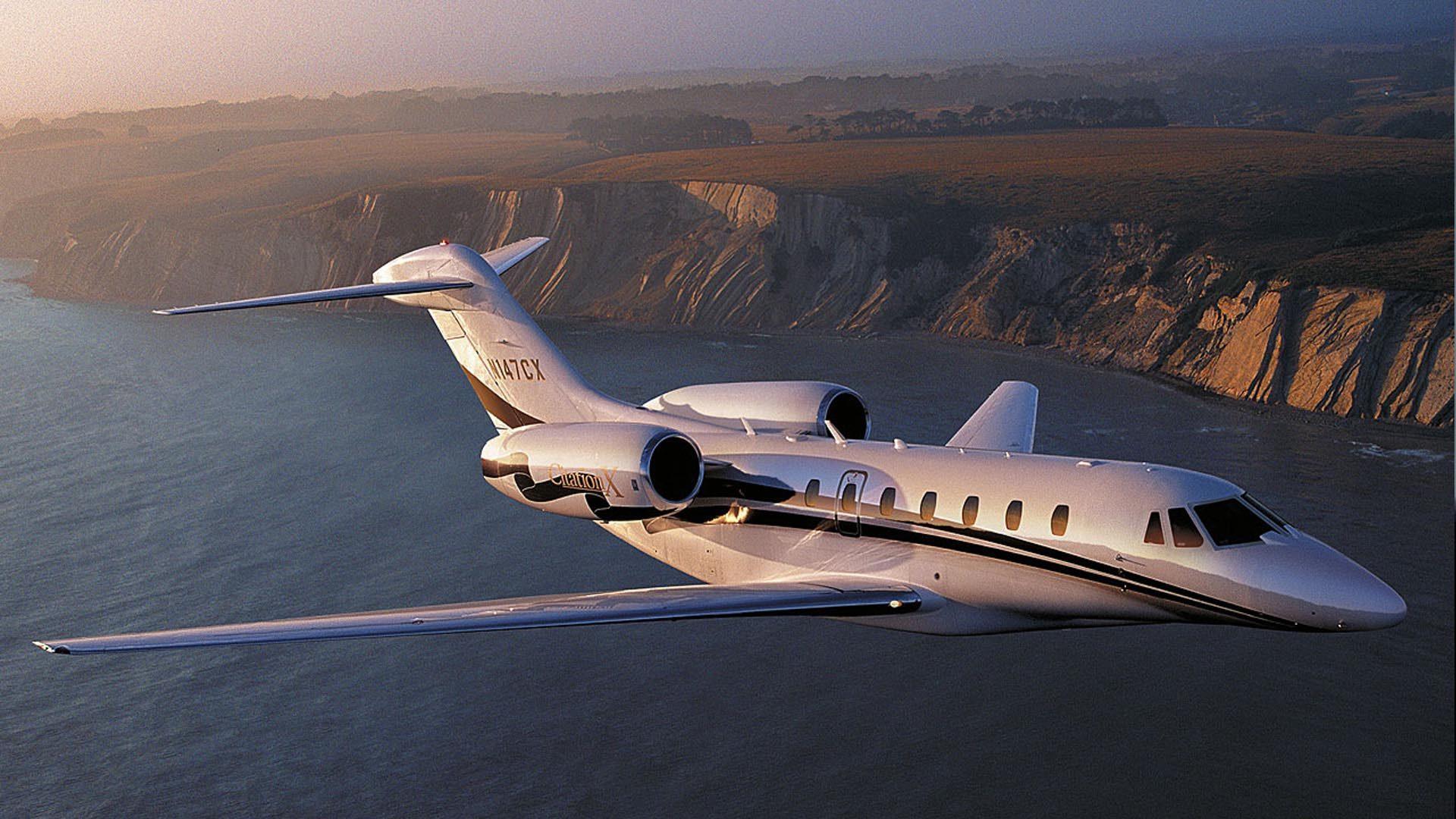
The aviation industry has seen tremendous technological advancements over the years, and now, artificial intelligence (AI) is starting to play a key role in transforming private jet hangars. These advanced systems are not only enhancing security but also improving maintenance processes, streamlining operations, and providing more personalized experiences for jet owners and passengers. As we look toward the future, AI-based smart hangars are poised to become an integral part of private aviation, enabling a level of automation and efficiency that was previously unimaginable.
AI-powered systems in hangars are revolutionizing the way private jets are maintained and stored. Traditional hangars rely heavily on manual labor for maintenance checks, security, and management of the aircraft. In contrast, AI-driven smart hangars integrate various technologies such as IoT (Internet of Things), machine learning, and real-time data analytics to automate tasks, ensure aircraft safety, and optimize operations. By utilizing AI algorithms, hangars can monitor a jet’s condition in real-time, analyzing everything from engine health to battery status, and alerting maintenance crews about potential issues before they become serious problems. This predictive maintenance helps in reducing downtime, preventing costly repairs, and extending the life of the aircraft.
Moreover, AI technology can optimize space management within these smart hangars. With AI, hangars can use sensors and data-driven models to track available space, optimize aircraft placement, and ensure maximum efficiency. For instance, AI can assess the dimensions and specifications of each jet and automatically suggest the best parking configuration, taking into account factors such as size, weight, and maintenance needs. This ensures that hangars can accommodate a larger number of aircraft without compromising on safety or efficiency.
Another key area where AI can play a significant role is security. In traditional hangars, security measures are often reactive, relying on manual monitoring and physical security systems. However, in AI-based smart hangars, security is proactive and automated. Advanced AI algorithms can continuously monitor surveillance footage, detect any suspicious activities, and immediately notify personnel in case of a breach. Moreover, AI systems can integrate facial recognition, access control, and real-time tracking of aircraft to prevent unauthorized access and enhance security measures. This real-time surveillance and monitoring significantly reduce the risk of theft, vandalism, or other security breaches.
One of the most exciting features of AI-based smart hangars is the potential for personalized experiences for private jet owners. By integrating AI with IoT devices, hangars can automatically adjust to the specific needs of each aircraft and its owner. For example, AI can track the preferences of a jet owner and prepare the hangar accordingly. If an owner prefers the cabin to be pre-cooled or heated, the AI can automatically adjust the hangar’s temperature to ensure a comfortable boarding experience. Additionally, AI-powered systems can arrange for other services such as catering, refueling, or arranging ground transportation, all based on real-time data and the specific needs of the passenger.
AI technology also brings significant benefits in terms of energy efficiency and sustainability. Smart hangars can monitor energy usage and optimize systems such as lighting, heating, and cooling based on the actual needs of the space. With the ability to predict and manage energy consumption, these smart hangars reduce waste and contribute to more sustainable aviation practices. Additionally, AI can integrate with renewable energy sources, such as solar panels, to power hangar operations, further enhancing sustainability.
Looking into the future, we can expect even more advanced features in AI-based smart private jet hangars. The continuous development of machine learning and deep learning algorithms will enable even more precise predictive maintenance and more effective optimization of hangar operations. Additionally, as the aviation industry moves toward greener technologies, we may see AI systems integrated with electric or hybrid-electric aircraft, facilitating the development of environmentally friendly hangars that cater to the needs of these next-generation aircraft.
In conclusion, AI-based smart private jet hangars represent the next frontier in private aviation infrastructure. By incorporating advanced technologies like predictive maintenance, enhanced security, optimized space management, and personalized experiences, these smart hangars are setting the stage for a new era of efficiency, safety, and convenience. With continuous advancements in AI and machine learning, the future of private jet hangars looks brighter than ever, paving the way for more sustainable and intelligent aviation practices. As this technology evolves, it promises to bring unprecedented improvements to the way private jets are maintained, stored, and operated, making private aviation smarter, safer, and more efficient than ever before.