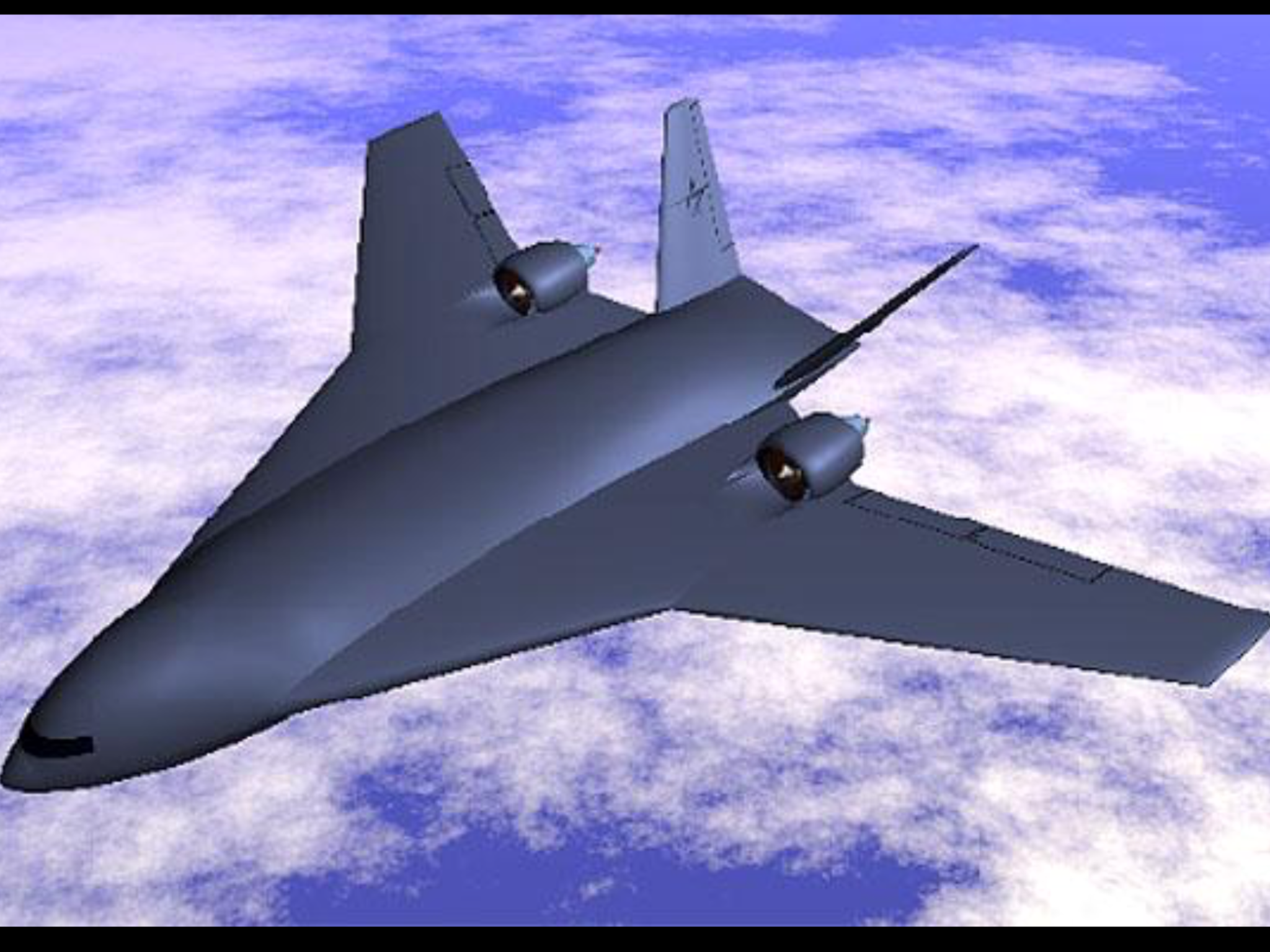
private jet technology privatejetia 2
Owning a private jet is a symbol of luxury, but it also presents unique opportunities for savvy investors. Whether you’re a business mogul, a frequent traveler, or someone looking for an exclusive way to elevate your lifestyle, a private jet can serve as both a personal and professional asset. However, buying a private jet is a significant investment that requires careful planning, creative strategies, and an understanding of the broader aviation market.
In this guide, we’ll walk you through creative approaches for buying a private jet, maximizing your return on investment, and ensuring that your jet serves as a long-term asset. From understanding the nuances of jet ownership to employing strategies that can make your purchase more financially advantageous, we will cover everything you need to know.
Step 1: Define Your Jet Ownership Goals
The first step in buying a private jet is defining your goals. Unlike other luxury items, purchasing a jet should be seen as both a personal and financial decision. Understanding your specific needs and how a jet will benefit your lifestyle or business will guide you through the process. Here are a few key factors to consider:
- Business Efficiency: Many entrepreneurs and executives buy jets to increase business efficiency. A private jet can be a valuable tool for reducing travel time, increasing productivity, and improving flexibility. For those who travel frequently for meetings or conferences, owning a jet can ensure that you maintain your competitive edge.
- Personal Comfort: If you value privacy, comfort, and convenience when traveling, a private jet is an ideal choice. It allows you to control your travel schedule and enjoy a level of luxury and relaxation that is unmatched by commercial flights.
- Investment Potential: Jets can be more than just an expensive luxury; they can also be a smart investment. High-quality jets often maintain or increase their value over time, especially when managed properly. There are also opportunities to charter your jet when not in use, creating a potential revenue stream.
Having a clear objective will not only help you in selecting the right jet but also assist in budgeting and future financial planning.
Step 2: Choose the Right Type of Jet for Your Needs
Once you’ve defined your goals, the next step is to select the right type of jet for your needs. There are various categories of private jets, each suited to different purposes. Making the right choice will ensure that your jet serves you well for years to come and aligns with your financial goals.
- Light Jets: These jets are small and ideal for short regional trips. They typically seat between 4-6 passengers and are perfect for business executives who need to travel quickly for meetings. Light jets offer a balance of cost-efficiency and comfort. Examples include the Cessna Citation Mustang or the Embraer Phenom 100.
- Midsize Jets: For those who need a little more space and range, midsize jets are the next step up. They can seat up to 8 passengers and are perfect for longer flights. Midsize jets can travel around 3,500 miles and typically offer larger cabins with better amenities. The Hawker 800XP or the Gulfstream G150 are examples of this class.
- Heavy Jets: These jets are the most spacious and luxurious, seating up to 16 passengers, making them perfect for international travel. Heavy jets offer extended ranges, greater comfort, and are ideal for both personal and corporate travel. Examples include the Gulfstream G550 and the Bombardier Global 6000.
- Ultra Long-Range Jets: Designed for the most discerning travelers, ultra-long-range jets like the Gulfstream G650ER and Dassault Falcon 7X can fly nonstop for distances over 7,000 miles. These jets are perfect for business owners or individuals who travel globally without the need to make fuel stops.
Selecting the right jet size and model will depend on your specific travel requirements, such as the number of passengers, range, and the comfort level you seek. Each class comes with its own advantages, so consider which is most suited to your lifestyle and travel patterns.
Step 3: Understand the Total Cost of Ownership
Purchasing a private jet involves far more than just paying for the aircraft itself. There are numerous ongoing costs associated with jet ownership that need to be factored into your overall budget. Being fully aware of these costs will help you maximize your investment. The key expenses include:
- Purchase Price: Depending on the type and model of jet, the initial purchase price can vary significantly. Light jets typically cost between $2-5 million, while larger heavy jets or ultra-long-range jets can easily exceed $50 million. Keep in mind that new jets are generally more expensive than used ones.
- Operating Costs: Operating a private jet involves a series of recurring expenses. These include fuel, maintenance, insurance, hangar fees, and crew salaries. The cost of maintaining and operating a jet can range from $500,000 to $1.5 million per year, depending on the size of the jet and how often it’s flown.
- Depreciation: Like any luxury asset, a jet will depreciate over time. The rate of depreciation depends on factors such as the age, brand, and condition of the jet. On average, jets lose 5-10% of their value per year.
- Resale Value: While jets depreciate, certain high-demand models retain their value better than others. For example, Gulfstream and Bombardier jets tend to have strong resale values due to their high demand and reliability. Keeping your jet well-maintained and upgrading it periodically can help preserve its resale value.
- Charter Revenue: If you’re purchasing a jet as an investment, consider chartering it out when not in use. Private jet charter services can generate significant revenue, especially for desirable models. This strategy helps offset the operating costs and may provide a return on investment over time.
By accounting for these expenses and strategically managing your jet, you can ensure that it remains a sound financial investment.
Step 4: Explore Creative Financing Options
While buying a private jet outright is one option, there are also alternative financing methods that can make ownership more affordable and flexible. Consider the following creative financing options:
- Leasing a Jet: Leasing a private jet is a viable option for those who need access to an aircraft but don’t want to commit to the full purchase price. Leasing provides flexibility, as you only pay for the hours you fly. Leasing arrangements can be tailored to meet your needs and can reduce the upfront costs associated with ownership.
- Fractional Ownership: With fractional ownership, you share the cost of owning a jet with other investors. This model allows you to access the jet for a certain number of hours each year based on your share of ownership. Fractional ownership significantly reduces the costs of owning a jet while still providing access to luxury air travel.
- Jet Card Programs: For individuals who don’t want the commitment of full ownership, jet card programs offer another alternative. These programs allow you to pre-purchase flight hours on a variety of private jets. You can fly whenever you need, and the jet card provider takes care of the logistics, making this a highly flexible and cost-effective solution.
- Tax Benefits: In some cases, owning a jet can provide tax advantages. If you plan to use the jet primarily for business purposes, you may be eligible for tax deductions on expenses related to the operation and maintenance of the jet. Consult with a tax professional who is familiar with aviation law to explore potential tax benefits.
These alternative ownership structures allow you to enjoy the benefits of private jet travel without the full financial burden of outright ownership.
Step 5: Collaborate with Experts and Aviation Professionals
Navigating the complex world of private jet ownership requires the expertise of experienced professionals. Having the right team in place can help ensure that the process is seamless and that you’re making the best possible decision. Here are some key professionals you’ll need:
- Aviation Brokers: Brokers are essential when buying a private jet. They have access to exclusive listings and can help you find the best deals on both new and pre-owned jets. They can also assist with negotiations, ensuring that you get the best value for your money.
- Aircraft Consultants: If you’re new to jet ownership or unsure about which model to buy, an aircraft consultant can provide expert advice. They’ll consider your specific needs and recommend the best jet options based on your travel habits and budget.
- Legal and Financial Advisors: These experts are crucial when it comes to the legal and financial aspects of the purchase. A legal advisor can assist with contract negotiations, while a financial expert can help you understand the full cost of ownership and how to finance your jet.
- Management Companies: If you choose to charter your jet or need help with day-to-day operations, an aircraft management company can handle everything from hiring crew to managing maintenance schedules. This can free up your time and ensure that the jet is kept in top condition.
Working with these professionals ensures that every aspect of the purchase and ownership process is handled with care and expertise, allowing you to make informed decisions and maximize the value of your investment.
Step 6: Maintain Your Private Jet to Protect Your Investment
Maintaining your jet is crucial to preserving its value and ensuring that it remains a reliable mode of transportation. Proper maintenance extends the life of the aircraft and keeps it in top condition, which in turn helps protect your investment. Regular maintenance tasks include:
- Routine Inspections: These inspections check critical systems such as engines, avionics, and airframes. Regular inspections help identify any potential issues early on, preventing costly repairs later.
- Scheduled Maintenance: Jets need to undergo periodic maintenance, which can be either time-based or usage-based. This maintenance includes things like engine overhauls, cabin cleaning, and system upgrades.
- Training and Certifications: Ensure that your flight crew is well-trained and up-to-date on all necessary certifications. Proper crew training improves safety and ensures that your aircraft operates efficiently.
A well-maintained jet retains its value longer and can provide greater resale or charter revenue potential. Make sure you have a solid maintenance plan in place to protect your investment.
Conclusion: A Rewarding Investment for the Savvy Buyer
Buying a private jet is a significant decision, but it’s one that can offer many rewards when approached strategically. Whether you’re looking for a personal luxury, a business asset, or an investment opportunity, a private jet offers unmatched convenience, efficiency, and exclusivity. By defining your goals, selecting the right jet, understanding the full cost of ownership, exploring creative financing options, and working with aviation professionals, you can make a smart and rewarding purchase.
With the right approach, owning a private jet can elevate your travel experience, enhance your business operations, and offer long-term financial benefits. By following the steps outlined in this guide, you’ll be well on your way to securing a jet that serves you for years to come.


