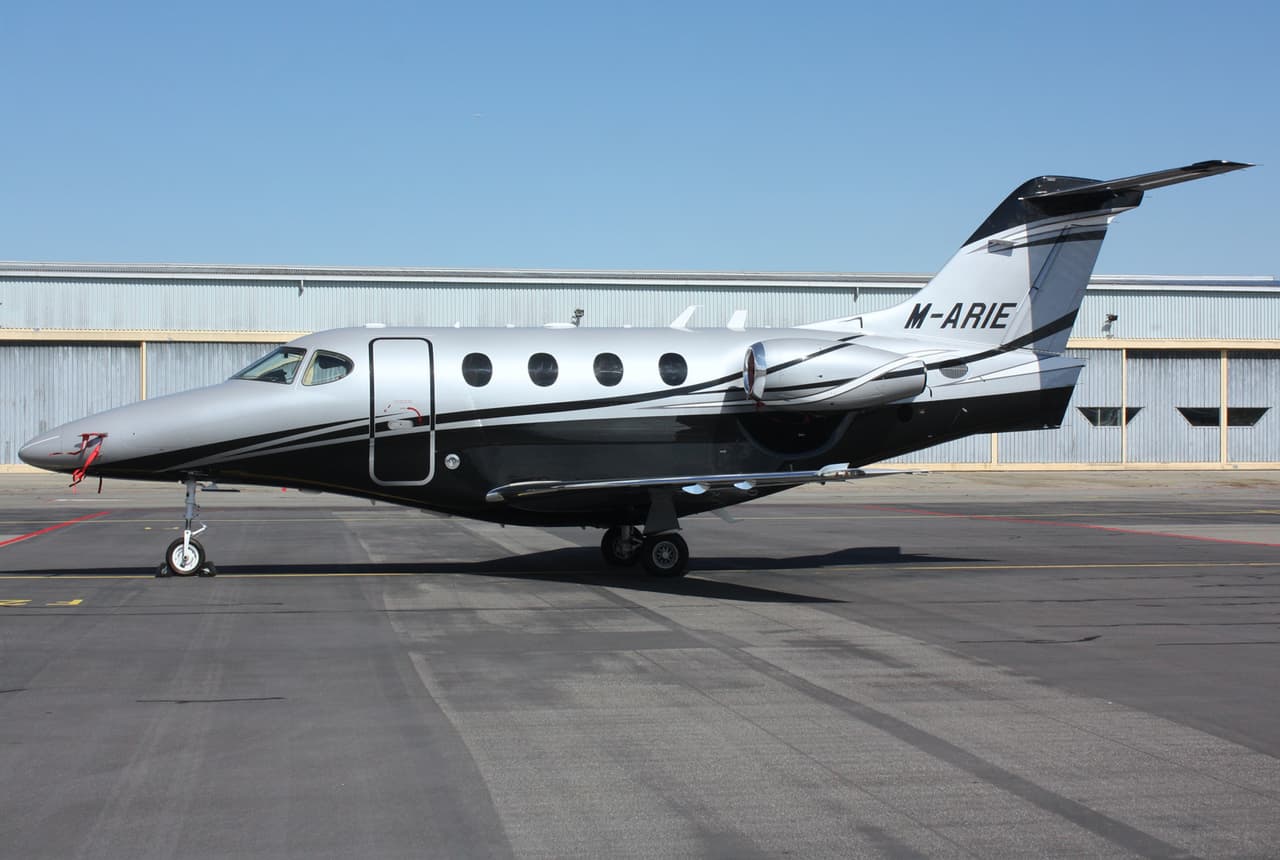
Beechcraft Premier1
Purchasing a private jet is a monumental decision that demands significant financial investment and careful consideration. For those who value comfort, privacy, and flexibility, owning a private jet offers unmatched convenience. However, the process of buying a private jet can be overwhelming without the right knowledge and approach. From selecting the perfect jet to negotiating with sellers and finalizing the deal, there are multiple factors that influence the overall experience.
In this detailed guide, we’ll walk you through creative and effective tactics for securing the best offers when buying a private jet. Whether you’re a seasoned executive or a first-time buyer, these tips will help you make informed decisions and get the best value for your investment.
- Understand Your Needs Before Shopping
Before diving into the complex world of private jet purchases, it’s essential to first define your needs. Understanding the type of jet that best suits your lifestyle and travel requirements is crucial. This initial step helps narrow down the choices and ensures you don’t overspend on unnecessary features.
Types of Private Jets
Private jets vary significantly in size, range, and features. Typically, they can be categorized into the following:
- Light Jets: Ideal for short regional flights, with seating for 4-8 passengers.
- Midsize Jets: Offering more space and range, suitable for longer trips with 7-9 passengers.
- Heavy Jets: Best for international travel, with seating for 10-18 passengers and the longest range.
- Ultra-Long-Range Jets: These are for global travelers who require the utmost in luxury and distance capabilities, seating 12-20 passengers.
- Turboprops: If you often fly shorter distances or need access to smaller airports, a turboprop might be the perfect choice.
Factors to Consider
- Passenger Capacity: How many people do you need to accommodate regularly?
- Range and Distance: How far will your jet need to travel without refueling?
- Frequency of Use: Will you use the jet daily, or just for occasional trips?
- Airport Accessibility: Ensure your chosen jet can land at your preferred airports.
- Set a Realistic Budget
A private jet is a significant investment, with costs ranging from a few million dollars to tens of millions. It’s important to set a realistic budget, considering not only the purchase price but also the operational costs, which can be substantial.
Purchase Price and Financing Options
The cost of a new private jet depends on the size and model. For instance, a light jet might cost anywhere from $3 million to $8 million, while a large, ultra-long-range jet could reach $70 million or more. Many buyers opt for financing their purchase through specialized aviation financing options.
Ongoing Costs
Beyond the purchase price, consider the following ongoing expenses:
- Maintenance: Routine maintenance is essential for the safe operation of your jet.
- Pilots and Crew: If you don’t have pilot training, you’ll need to hire professional crew members.
- Insurance: Jet insurance can cost hundreds of thousands annually.
- Fuel and Storage: These expenses vary depending on usage and airport location.
Factor in these costs when deciding how much you can afford to spend upfront and in the long term.
- Research the Market and Different Sellers
Now that you have an idea of what you need and how much you’re willing to spend, it’s time to start researching the private jet market. There are several avenues you can explore to find the right seller, whether through brokers, dealerships, or direct sales.
Brokers and Dealers
Working with a reputable aviation broker or dealer is often the most effective route. Brokers have extensive knowledge of the market and can help you find jets that fit your specific criteria. They also have access to both new and pre-owned jets, giving you more flexibility.
Direct Sellers
Buying directly from a jet manufacturer or a previous owner can sometimes result in a better deal. While this may save you the broker’s commission, it requires more time and effort to navigate the market. It’s essential to vet the seller thoroughly to ensure the jet’s condition and the legitimacy of the transaction.
- Buy Pre-Owned for Better Value
While purchasing a new jet is always an option, many buyers choose to buy pre-owned jets to maximize their investment. Pre-owned jets offer significant savings, often up to 40% off the price of a new one, and with proper inspection, they can offer the same reliability and luxury.
Benefits of Buying Pre-Owned
- Lower Purchase Price: Pre-owned jets come at a fraction of the cost of new models.
- Depreciation: New jets lose value quickly, but pre-owned jets have already undergone significant depreciation.
- Customization: You can often find jets with all the features you need, already customized to suit the previous owner’s needs.
Where to Find Pre-Owned Jets
Several online platforms and brokers specialize in pre-owned jets, including:
- Jetcraft
- AvBuyer
- Controller
Additionally, auction houses like Sotheby’s sometimes feature jets for sale, offering unique opportunities to acquire rare models.
- Negotiate Like a Pro
Whether you’re purchasing a new or pre-owned jet, negotiation is key to securing the best deal. Private jet sellers are often open to negotiations, especially in a competitive market. Here are a few tips for negotiating successfully:
Know the Market Value
Be informed about the market trends and typical price ranges for the model you’re interested in. This allows you to gauge whether a seller’s asking price is reasonable and gives you leverage in negotiations.
Get a Pre-Purchase Inspection
Before negotiating the final price, insist on a thorough pre-purchase inspection (PPI) by a certified mechanic. This is a common practice in the aviation industry and helps uncover any hidden issues that might affect the jet’s value. If repairs are needed, use this information to negotiate a lower price or request the seller cover the costs.
Consider Additional Incentives
Beyond the base price, you can also negotiate for additional perks. This could include items like:
- Free or discounted training for pilots and crew
- Free maintenance services for a certain period
- Extended warranty or service contracts
- Fuel discounts or free access to private hangars
- Understand the Jet’s History
One of the most important steps in buying a private jet is understanding its history. A jet’s service record can reveal critical information about how it has been maintained, any past accidents, and its overall reliability.
Request a Detailed Logbook
Ask the seller for the jet’s logbook, which provides a detailed account of every flight, maintenance service, and any repairs performed on the jet. A well-maintained logbook is an indication that the jet has been properly cared for.
Check for Accidents or Damage
Request a report from the National Transportation Safety Board (NTSB) or your country’s aviation authority to check if the jet has been involved in any accidents. Even minor incidents can affect the overall value of the aircraft.
- Get Legal and Financial Assistance
Buying a private jet is not only a significant financial transaction, but it also involves complex legal paperwork. To avoid potential pitfalls, it’s essential to enlist professional help.
Hire an Aviation Attorney
Aviation attorneys specialize in the legalities of buying and selling private jets. They can assist with drafting contracts, reviewing terms, and ensuring that the deal is legally sound. Additionally, they can help with any legal concerns that might arise during the purchase process.
Consult with a Tax Advisor
Private jet ownership has significant tax implications. For instance, depending on your jurisdiction, you may be eligible for certain tax benefits or deductions related to the jet’s use. A tax advisor can provide clarity on these issues and help you make the most of your investment.
- Finalize the Deal and Secure Your Jet
Once the negotiations are complete, and you’ve agreed on the price, it’s time to finalize the purchase. This step involves the signing of contracts, making payments, and officially transferring ownership.
Purchase Agreement
The purchase agreement should outline the terms of the sale, including the price, any warranties, and responsibilities for maintenance. Both parties should have legal representation to ensure everything is in order.
Payment
The payment for a private jet is often done through wire transfer. Make sure all funds are transferred securely and that you receive confirmation of ownership.
Delivery and Documentation
Once the payment has been processed, ensure that you receive all the necessary documentation, including:
- Title of ownership
- Flight manuals
- Maintenance records
With everything in place, your private jet is now ready for takeoff.
Conclusion
Buying a private jet is an exciting and rewarding venture, but it requires careful planning and research. By following these creative tactics for securing the best offers, you can ensure that you get the right jet at the right price. From defining your needs to negotiating the best deal and finalizing the purchase, every step counts in making your dream of private jet ownership a reality. With the right approach, your investment will bring you unparalleled convenience, comfort, and prestige for years to come.


