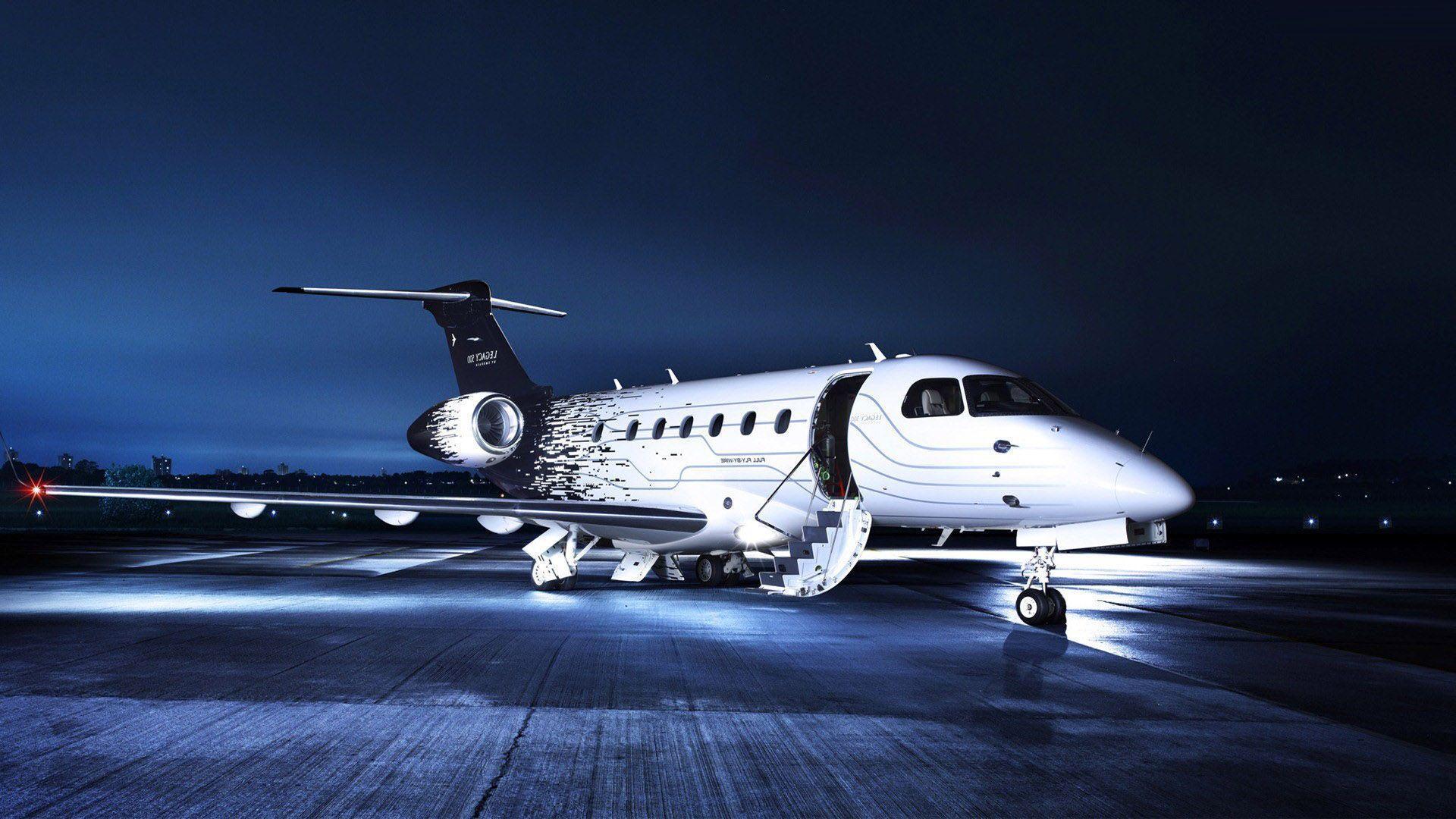
Purchasing a private jet is a significant investment, but for those who value time, convenience, and luxury, it can be one of the most rewarding decisions they make. Whether you’re considering a private jet for business or personal use, the process of buying one can be daunting without expert advice. This comprehensive guide will provide the essential information you need to make an informed decision and ensure your purchase is a smart investment.
Step 1: Assess Your Aviation Needs
Before diving into the process of purchasing a private jet, it’s crucial to assess your aviation needs. The right jet for you will depend on several factors, including how often you plan to fly, the distance you typically travel, and the number of passengers you need to accommodate.
- Flight Frequency: Determine how often you plan to use the jet. Frequent travelers may benefit from purchasing a jet outright, while those with more occasional flying needs might consider fractional ownership or a jet card program.
- Passenger Capacity: How many people do you typically travel with? Jets vary in size, with small jets accommodating 4-6 passengers and larger jets fitting 10 or more. Choose a jet that comfortably accommodates your typical flight group.
- Range: The distance you plan to travel will also impact your jet choice. For international or cross-country flights, you’ll need a long-range jet. For shorter, regional trips, a smaller jet may suffice.
Step 2: Work with an Experienced Jet Broker
Navigating the world of private jets can be complex, especially if you’re new to the market. A jet broker is a professional who can help guide you through the buying process, ensuring that you select the right aircraft based on your needs, budget, and preferences.
- Access to a Wide Inventory: A jet broker has access to both new and pre-owned aircraft, as well as off-market listings that you might not find on your own.
- Expert Negotiation: Brokers can assist with negotiating the purchase price, terms of sale, and even additional services like maintenance or interior modifications.
- Custom Recommendations: Brokers understand the market and can help you narrow down your choices to those that best match your requirements.
Step 3: Choose the Right Type of Jet
There are several types of private jets available, each with its unique features and capabilities. Selecting the right jet is crucial to maximizing your investment. The most common types of jets include:
- Light Jets: These jets are ideal for short trips, typically between 1-3 hours, and can accommodate 4-6 passengers. Light jets are fast, fuel-efficient, and ideal for regional flights. Popular models include the Cessna Citation CJ3 and Embraer Phenom 300.
- Midsize Jets: Midsize jets are perfect for medium-range trips and can comfortably carry up to 9 passengers. They offer more space and amenities than light jets, making them an excellent option for business travelers. The Hawker 800XP and Learjet 60 are popular midsize models.
- Heavy Jets: For long-haul international flights, heavy jets are designed to carry 10+ passengers over longer distances. They offer expansive cabins, luxurious amenities, and top-tier performance. The Gulfstream G550 and Bombardier Global 6000 are examples of heavy jets.
- Ultra-Long-Range Jets: If you require an aircraft that can fly non-stop across continents, an ultra-long-range jet is ideal. These jets are equipped with advanced technology, spacious cabins, and the highest level of comfort. Models like the Gulfstream G650ER and Bombardier Global 7500 are top choices for long-distance travelers.
Step 4: New vs. Pre-Owned Jets
Once you’ve narrowed down the type of jet you want, you’ll need to decide whether to purchase a new or pre-owned aircraft. Both options have their advantages, and your decision will depend on your budget and preferences.
- New Jets: Buying a new jet offers the latest technology, custom interiors, and warranties. However, new jets come with a higher price tag and can take longer to deliver.
- Pre-Owned Jets: Pre-owned jets are typically more affordable, but they may come with some wear and tear. It’s crucial to conduct thorough inspections and review maintenance records before purchasing a pre-owned aircraft.
Step 5: Have the Jet Inspected
Whether you’re purchasing a new or pre-owned jet, a detailed inspection is a must. A thorough inspection ensures that the aircraft is in excellent condition and that there are no hidden issues that could result in expensive repairs down the line.
- Pre-Purchase Inspections: If you’re purchasing a pre-owned jet, hire an independent inspector to perform a comprehensive evaluation of the aircraft. This will include checking the engine, avionics, airframe, and interior for any signs of damage or excessive wear.
- Review Maintenance Records: Make sure the jet has been well-maintained by reviewing its service history. Look for any major repairs or issues that could affect its performance or safety.
- Factory Inspections for New Jets: For new jets, you may want to arrange for a factory inspection to ensure that the aircraft meets your specifications before delivery.
Step 6: Understand the Total Cost of Ownership
The cost of purchasing a private jet goes beyond the purchase price. You need to factor in additional costs that will be part of the total ownership experience. These include:
- Maintenance: Regular maintenance is essential to keep your jet running smoothly. This includes scheduled inspections, repairs, and potential upgrades. Maintenance costs can vary depending on the age of the jet and how frequently it is used.
- Fuel and Operating Costs: Jet fuel is one of the largest operating costs, and prices can fluctuate. In addition, there are costs associated with operating the aircraft, such as landing fees, navigation charges, and ground services.
- Crew and Staffing: You’ll need to hire trained pilots and crew members. If you don’t plan to hire full-time staff, you may need to pay for flight crew on an as-needed basis.
- Storage and Hangar Fees: Storing your jet in a secure hangar is another ongoing expense. Hangar fees can vary depending on the airport and location.
- Insurance: Insurance is essential to protect your jet from damage or loss. The cost will depend on the value of the aircraft, its age, and how often it is flown.
Step 7: Financing Your Private Jet Purchase
Unless you’re buying your jet outright, you’ll need to explore financing options. Many private jet buyers opt for loans or leasing arrangements to finance the purchase.
- Loans: Aviation loans typically offer favorable terms for high-net-worth individuals looking to finance their jet purchase. Work with an experienced aviation finance professional to find the best loan structure.
- Leasing: Leasing a jet may be an option for those who don’t want to commit to full ownership. There are various leasing arrangements available, including operational leases and finance leases.
Step 8: Legal Considerations
When purchasing a private jet, it’s important to understand the legal implications of ownership. This includes understanding the registration process, tax considerations, and international regulations that apply to aircraft ownership.
- Aircraft Registration: Once you’ve purchased the jet, it needs to be registered with the relevant aviation authority. This may involve completing paperwork and paying registration fees.
- Tax Implications: In some jurisdictions, there are tax advantages to owning a private jet. Consult with a tax professional to understand any potential deductions or incentives available.
- International Regulations: If you plan to fly internationally, familiarize yourself with the regulations that govern private aircraft travel. This includes import/export restrictions, customs procedures, and aviation rules for different countries.
Step 9: Finalizing the Purchase
Once you’ve completed the necessary inspections, reviewed the costs, and secured financing, it’s time to finalize the purchase. A legal advisor with expertise in aviation law should assist in drafting and reviewing the purchase agreement to ensure that all terms are clearly defined and protect your interests.
- Purchase Agreement: The purchase agreement will outline the terms of the sale, including the price, delivery schedule, and any warranties or guarantees.
- Closing the Deal: After signing the purchase agreement, the transaction will be completed, and the aircraft will be transferred to your ownership. You’ll also need to arrange for the delivery of the jet, which can take several weeks or months depending on the availability of the aircraft.
Step 10: Enjoy Your Private Jet
With the purchase finalized, it’s time to take delivery of your jet and enjoy the freedom, luxury, and efficiency that come with private jet ownership. Whether you’re flying for business or leisure, owning a private jet is an investment in comfort and time savings that will pay off for years to come.
Conclusion
Buying a private jet is a complex, multi-step process that requires careful consideration and expert guidance. By assessing your needs, working with a reputable jet broker, and understanding the total cost of ownership, you can make a smart investment in private aviation. Whether you’re flying across the country for business or heading to a remote destination for leisure, owning a private jet offers unmatched convenience, comfort, and freedom.
By following this guide, you’ll be equipped with the knowledge you need to navigate the process with confidence and ensure that your private jet purchase is a successful and rewarding experience.