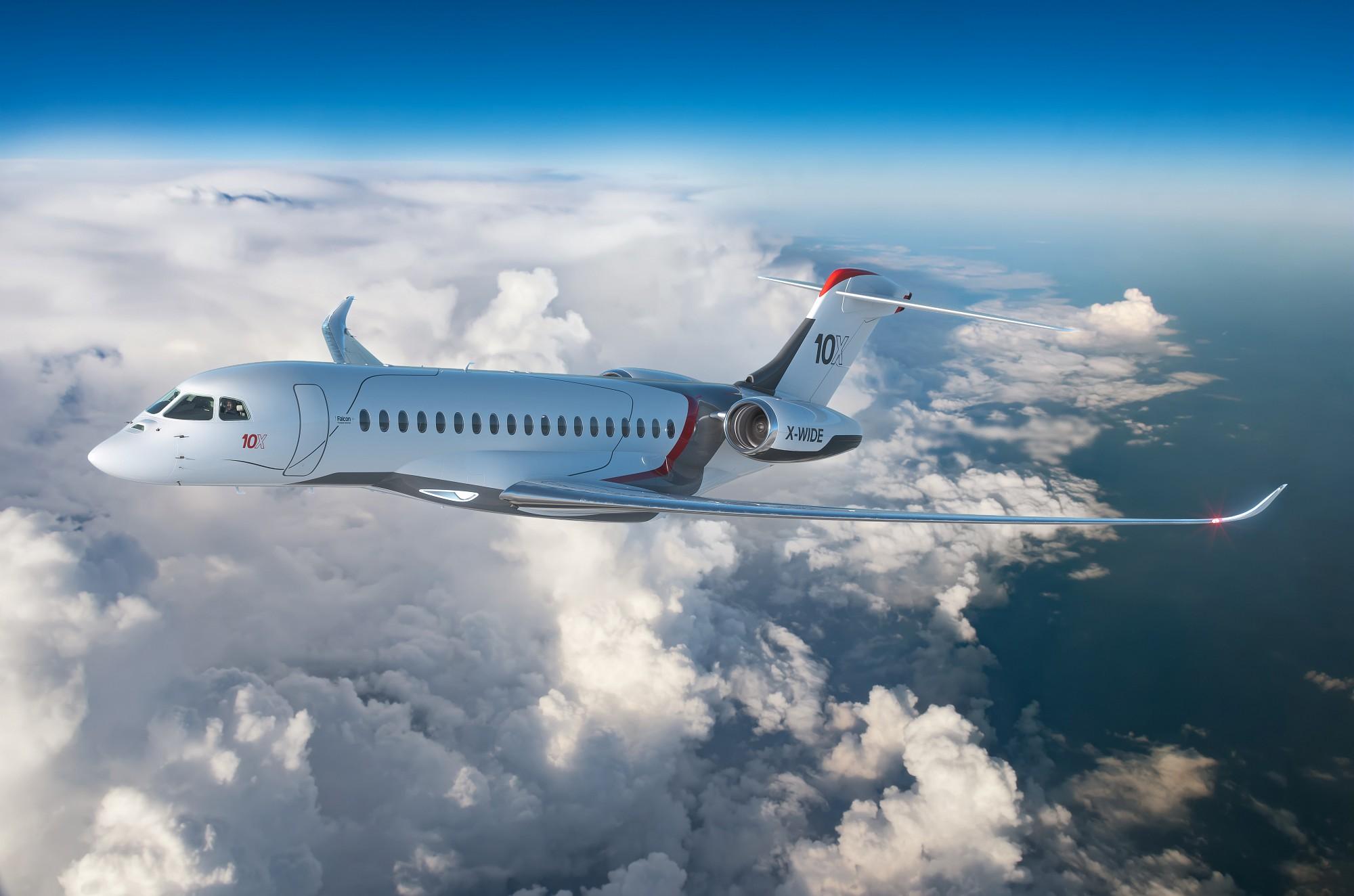
Purchasing a private jet is a major milestone that requires more than just financial backing; it demands strategic thinking, market awareness, and the right approach to ensure a seamless transaction. Whether you’re buying your first aircraft or expanding your fleet, the process can be both thrilling and complex. Understanding the key strategies and creative methods for negotiating the best terms, finding the right jet, and financing the purchase can save you time, money, and unnecessary stress.
This guide breaks down expert, creative strategies that will help you streamline the private jet acquisition process, leading to a smooth, successful transaction.
- Define Your Purpose and Ownership Goals
Before diving into the purchasing process, it’s essential to clearly define why you’re buying a private jet. Having a well-outlined purpose will shape your decision-making process, from choosing the right aircraft to evaluating potential financing options.
Personal Use: Maximizing Comfort and Convenience
For individuals seeking a jet for personal use, comfort, luxury, and long-range capabilities will likely be top priorities. Considerations such as cabin size, amenities, and the ability to travel long distances without refueling should factor into your decision.
Gulfstream G700: For those prioritizing luxury, this jet offers an unrivaled combination of performance and style, ideal for long-haul journeys.
Bombardier Global 6000: Perfect for personal use with its spacious cabin and superior range, providing ample space for relaxation or work.
Business Use: Speed and Efficiency
A private jet for business purposes often focuses on time-saving, efficiency, and productivity. A jet for corporate travel needs to balance luxurious accommodations for executives with the ability to conduct meetings or work en route.
Dassault Falcon 2000LXS: A perfect choice for businesses with its versatile range and high operational efficiency, designed for both executive travel and operational flexibility.
Cessna Citation Sovereign+: Known for its efficient fuel consumption and exceptional range, making it ideal for business trips across regions.
Investment: Maximizing Profit and Flexibility
If you’re looking at your jet purchase from an investment perspective, focus on jets that have high resale value and are in demand for charter services. The flexibility to generate income through leasing or chartering is key.
Gulfstream G550: A long-time favorite in the charter world, known for its reliability and strong resale value, making it a top choice for income-generation.
Embraer Phenom 300: A smaller jet that commands high charter demand and offers excellent resale value while being affordable to maintain.
- Research the Market for the Best Opportunities
With your ownership goals in mind, the next step is to research the private jet market to identify potential opportunities. The private aviation market can be highly competitive, with new jets entering the market and pre-owned models available at varying price points.
New Jets vs. Pre-Owned Jets: Weighing Your Options
Deciding whether to buy a new or pre-owned jet is a critical part of your strategy. While a new jet may provide the latest features and warranties, a pre-owned jet often offers better value by avoiding immediate depreciation.
New Jets: These come with the latest technology, updated interiors, and full warranties, but you’ll need to be prepared for a larger initial investment and rapid depreciation during the first few years.
Pre-Owned Jets: Many private jets maintain excellent value if they’ve been properly maintained. Pre-owned aircraft can offer a significant cost savings while still delivering high performance.
Evaluating the Right Aircraft for Your Needs
Once you’ve narrowed down your options between new and pre-owned jets, you’ll need to evaluate the right model that suits your specific requirements. Consider factors like range, maintenance history, amenities, and operational costs.
Range and Performance: Depending on whether you’ll be flying internationally or locally, choosing the appropriate range is crucial. For example, long-range jets like the Bombardier Global 7500 are ideal for intercontinental travel, while jets like the Cessna Citation Mustang are designed for shorter regional flights.
Maintenance and Service Records: A jet with a solid service record and recent maintenance is critical for a smooth transaction. Thoroughly review maintenance logs and consider hiring an aviation inspector to assess the condition of any pre-owned jet you’re considering.
- Leverage Creative Financing Options
The method of financing your private jet purchase will directly impact the long-term cost of ownership. Creative financing strategies can help you get the best deal, reduce upfront costs, and even provide tax advantages.
Lease vs. Loan: Choosing the Best Option
There are multiple ways to finance a private jet, each with its own set of advantages and challenges.
Loans: Traditional loans allow you to own the jet outright, giving you full control over the asset. While this option comes with fixed monthly payments, you’ll need to consider the loan’s interest rates and repayment terms. Additionally, aviation loans often have favorable terms, especially for high-net-worth buyers.
Leasing: If you’re not ready to commit to a purchase, leasing is a flexible option that allows you to use the jet without bearing the full cost. There are both operating leases and finance leases, with operating leases typically providing more flexibility if you plan to upgrade your jet in the future.
Fractional Ownership: Sharing the Benefits
Fractional ownership allows you to buy a share in a private jet without taking on the full ownership costs. This is a smart option for those who need access to a private jet but don’t require the exclusivity or full-time usage.
NetJets and Flexjet offer fractional ownership programs where you buy a share in a fleet of jets, ensuring access to aircraft whenever needed while spreading the cost and reducing the burden of maintenance.
Tax Advantages and Depreciation
A major benefit of purchasing a private jet is the potential tax savings. Depreciation can be used to offset income, and Section 179 of the IRS code may allow you to deduct the cost of the aircraft in the first year of ownership if used for business purposes.
Consult with a tax expert to ensure you’re taking full advantage of available deductions, including operational costs such as maintenance, fuel, crew salaries, and even hangar storage.
- Negotiate with Expertise and Precision
Once you’ve found your desired jet, negotiating the price and terms is the next crucial step. The art of negotiation plays a significant role in securing a favorable deal, whether you’re buying a new or pre-owned jet.
Working with an Aircraft Broker
An aviation broker can be an invaluable resource during the negotiation process. These experts understand the market inside and out and can help you navigate the purchase with precision. They act as intermediaries, handling negotiations, drafting contracts, and ensuring the transaction goes smoothly.
Market Research for Pricing
Before entering negotiations, make sure you’re well-versed in market pricing for the type of jet you’re considering. Understanding the current market value and pricing trends will give you leverage during negotiations. Brokers often have access to auction results, sale prices, and information about recent transactions to help you make an informed offer.
Additional Considerations: Post-Transaction
Negotiations don’t end at the price point. Be sure to also address key elements of the purchase, such as:
Warranty Terms: Ensure the jet is covered by a warranty (especially if new), and negotiate extended coverage where necessary.
Maintenance and Support: Clarify what kind of maintenance contracts are available, including long-term service agreements that can ensure your jet’s performance over time.
- Streamline the Closing Process
The final step in the acquisition process is ensuring a smooth closing. The closing process for a private jet purchase involves various steps, including contract finalization, delivery, and transferring ownership.
Legal Assistance
A qualified aviation attorney can help you navigate the complex legalities of the purchase, including tax filings, contract review, and title transfer. They’ll ensure that the transaction complies with both local and international aviation laws.
Ownership and Registration
Once the contract is signed, you’ll need to take care of the ownership transfer and registration with the appropriate aviation authorities, such as the FAA (Federal Aviation Administration) or other international bodies, depending on where the jet will be registered. Your lawyer or broker can assist with this paperwork.
Final Inspection and Delivery
Before the final transfer of funds, ensure a thorough pre-delivery inspection is conducted. This is especially important for pre-owned jets. Once the inspection is complete and all terms are met, you can finalize the transaction and take possession of your jet.
Conclusion
Acquiring a private jet requires careful planning, strategic decision-making, and the right expertise. By following these expert creative strategies, you can ensure a seamless transaction and secure the best deal possible. From understanding your ownership goals and financing options to negotiating the best terms and closing the deal with precision, these strategies will guide you through the complex process of acquiring your dream jet. Whether for personal luxury, business efficiency, or investment potential, the right approach to purchasing a private jet will allow you to enjoy the ultimate in air travel and financial success.