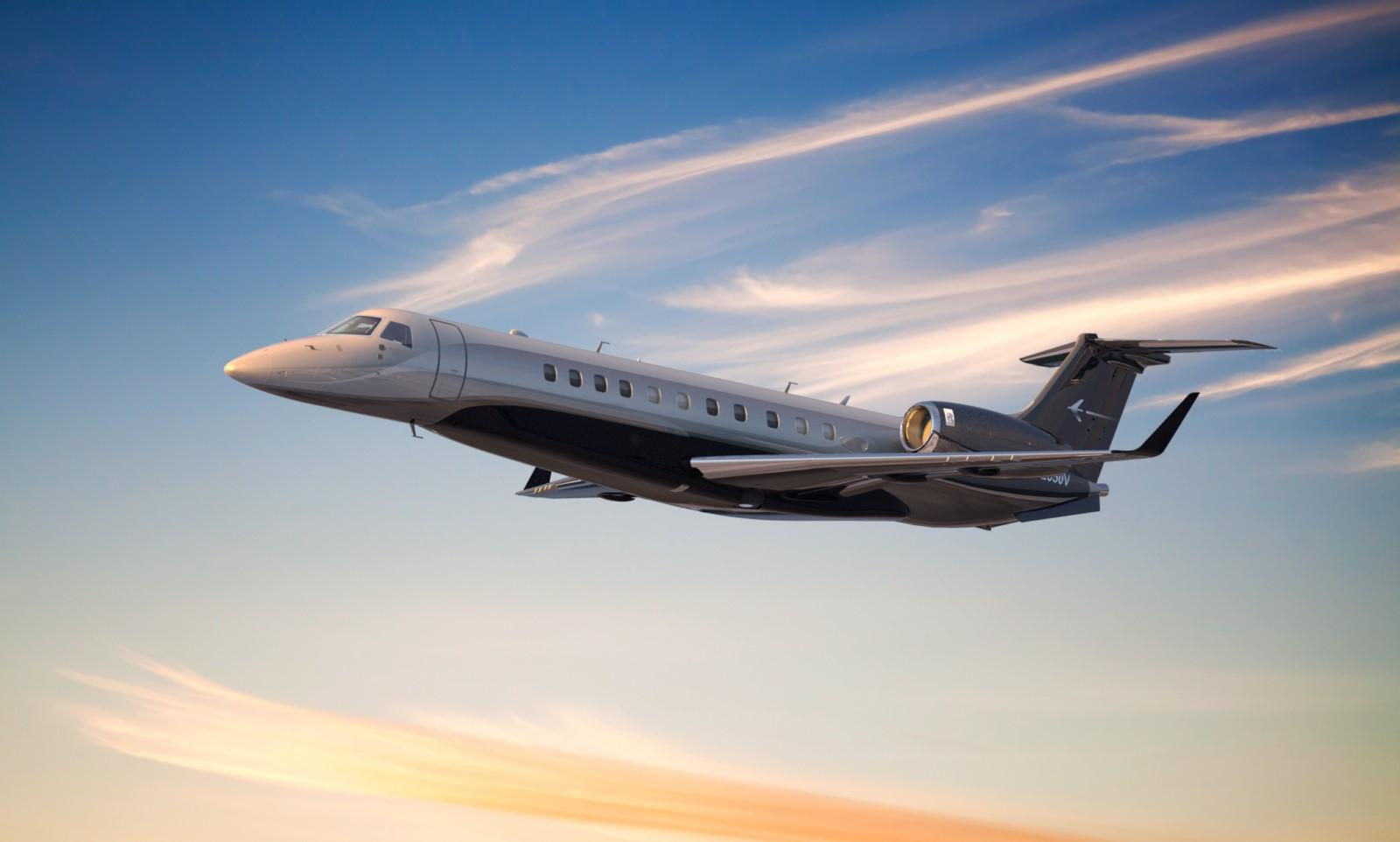
Choosing the right private jet for your travel needs is an important decision that requires a balance of performance, comfort, and cost-effectiveness. With a variety of private jet categories available, the decision often boils down to three primary options: light jets, midsize jets, and heavy jets. Each of these jet types comes with distinct advantages and limitations, making them suitable for different travel needs. Whether you are planning a quick business trip, a family vacation, or a long-distance international flight, understanding the differences between these jet categories can help you make an informed decision that aligns with your specific requirements. In this article, we will explore the key features, advantages, and ideal use cases for light jets, midsize jets, and heavy jets, providing you with a comprehensive guide to choosing the best private jet for your next journey.
Understanding the Basics of Private Jets
Private jets come in various shapes, sizes, and configurations, catering to different travel needs. The three primary categories, light jets, midsize jets, and heavy jets, are distinguished based on several factors, including passenger capacity, range, speed, and comfort. Light jets are smaller, more economical options, ideal for short regional flights with fewer passengers. Midsize jets offer a balance between performance, comfort, and affordability, making them popular for medium-distance travel. Heavy jets, on the other hand, are larger, more luxurious, and capable of flying longer distances, often used for intercontinental flights.
When choosing a private jet, factors such as the distance of your trip, the number of passengers, and the level of comfort you desire are crucial in determining which category of jet is best suited for your needs. Let’s dive deeper into the unique features of each jet type to help you make the best decision for your next flight.
Light Jets: Efficient and Affordable for Short Regional Flights
Light jets are the smallest and most affordable category of private jets. These aircraft are designed for short to medium-range flights and are ideal for smaller groups or solo travelers who need to get from one point to another quickly and efficiently. Light jets typically seat between 4 to 8 passengers and have a range of around 1,000 to 2,000 miles, making them perfect for quick regional travel. Well-known models in this category include the Cessna Citation Mustang, Embraer Phenom 100, and Learjet 45.
Key Features of Light Jets:
- Passenger Capacity: 4 to 8 passengers.
- Range: 1,000 to 2,000 miles (1,600 to 3,200 kilometers).
- Speed: Average cruising speed of 400 to 500 mph.
- Cabin: Typically compact, with comfortable seating arrangements and limited standing room. The cabin is designed to maximize space and comfort, but it may not have the luxury features found in larger jets.
- Cost: Light jets are generally the most cost-effective private jet option, both in terms of purchase price and operational costs.
Best for:
- Short regional flights, such as travel between neighboring cities or nearby states.
- Business executives and solo travelers who need a quick, efficient way to travel without the hassle of commercial airports.
- Budget-conscious travelers who want the convenience of private air travel without breaking the bank.
While light jets offer excellent value for money, they are best suited for those who need to fly relatively short distances with fewer passengers. They are ideal for fast-paced business trips or short leisure getaways, offering an efficient way to avoid the inconveniences of commercial air travel.
Midsize Jets: Versatile and Comfortable for Medium-Range Travel
Midsize jets offer a significant step up from light jets in terms of space, comfort, and range. These jets are perfect for travelers who need to fly longer distances, but still want to maintain a balance between performance and cost. Midsize jets typically accommodate between 6 to 9 passengers and have a range of approximately 2,000 to 3,500 miles, allowing them to cover most domestic and some international routes. Popular models in this category include the Cessna Citation XLS, Hawker 800XP, and Bombardier Learjet 60XR.
Key Features of Midsize Jets:
- Passenger Capacity: 6 to 9 passengers.
- Range: 2,000 to 3,500 miles (3,200 to 5,600 kilometers).
- Speed: Average cruising speed of 450 to 550 mph.
- Cabin: More spacious than light jets, with room for comfortable seating, a small galley, and sometimes a private restroom. Midsize jets are typically equipped with larger windows, better soundproofing, and more luxurious cabin finishes.
- Cost: Midsize jets are more expensive than light jets but still relatively affordable compared to heavy jets. Their operational costs are higher, but they provide a good balance between luxury and value.
Best for:
- Medium-range flights, such as coast-to-coast travel in the U.S. or transatlantic flights to nearby regions.
- Business travelers who need additional space for work or relaxation during the flight.
- Leisure travelers or families who desire more comfort and privacy without the higher costs of larger jets.
Midsize jets are often the most popular choice for travelers who need both comfort and efficiency. Their balance of performance, cabin space, and operational costs makes them an excellent option for both business and leisure trips that require longer flight durations.
Heavy Jets: Luxurious and High-Performance for Long-Haul Flights
Heavy jets, also known as large jets, are designed for long-haul, international flights. These jets offer the highest level of luxury, performance, and space, making them ideal for high-net-worth individuals, corporate executives, and large groups. Heavy jets can seat between 10 to 18 passengers and have a range of 4,000 to 7,500 miles, allowing them to fly across continents without needing to refuel. Some of the most well-known models in this category include the Gulfstream G650ER, Bombardier Global 6000, and Dassault Falcon 900.
Key Features of Heavy Jets:
- Passenger Capacity: 10 to 18 passengers.
- Range: 4,000 to 7,500 miles (6,400 to 12,000 kilometers).
- Speed: Average cruising speed of 500 to 600 mph.
- Cabin: The cabins of heavy jets are extremely spacious and can be configured with multiple seating areas, private bedrooms, full-sized bathrooms, and fully equipped galleys. These jets are designed for maximum comfort, with amenities such as advanced entertainment systems, high-speed internet, and luxury finishes like fine wood paneling and plush seating.
- Cost: Heavy jets are the most expensive category of private jets, both in terms of purchase price and operational costs. They are typically reserved for those who require the ultimate in comfort and performance.
Best for:
- Long-haul international flights, such as transatlantic or transpacific travel.
- Business executives and high-profile individuals who need privacy, luxury, and productivity during their flights.
- Large groups or families seeking the most comfortable and spacious travel option available.
Heavy jets are ideal for those who require top-tier comfort and performance, whether they are traveling for business or pleasure. The luxury and extensive range of features make them the best choice for those flying long distances or across continents, offering a travel experience that is unmatched by other private jet categories.
How to Choose Between a Light Jet, Midsize Jet, and Heavy Jet
When deciding between a light jet, midsize jet, and heavy jet, it’s essential to consider several factors, including the distance you need to travel, the number of passengers, your desired level of comfort, and your budget. Here are some key points to consider:
- Flight Distance and Range
- Light Jets: Best for short regional flights of up to 1,500 to 2,000 miles. Ideal for quick business trips or short leisure getaways.
- Midsize Jets: Suitable for medium-range flights, typically between 2,000 and 3,500 miles. Perfect for coast-to-coast travel or regional international flights.
- Heavy Jets: Built for long-haul flights, often exceeding 4,000 miles. Best for intercontinental travel where comfort and performance are paramount.
- Passenger Capacity
- Light Jets: Ideal for smaller groups, typically 4 to 8 passengers. Great for solo travelers, business executives, or small family trips.
- Midsize Jets: Accommodate 6 to 9 passengers, making them a good option for small business teams or families.
- Heavy Jets: Capable of seating 10 to 18 passengers, making them ideal for larger groups, family vacations, or corporate travel.
- Budget and Operational Costs
- Light Jets: The most affordable option in terms of purchase price and operational costs, making them a good choice for those on a budget or those flying infrequently.
- Midsize Jets: More expensive than light jets but still more affordable than heavy jets. Midsize jets offer a good balance between cost and comfort.
- Heavy Jets: The most expensive option, both in terms of acquisition and operational expenses. However, they offer the best luxury, performance, and range.
- Level of Comfort and Amenities
- Light Jets: While comfortable