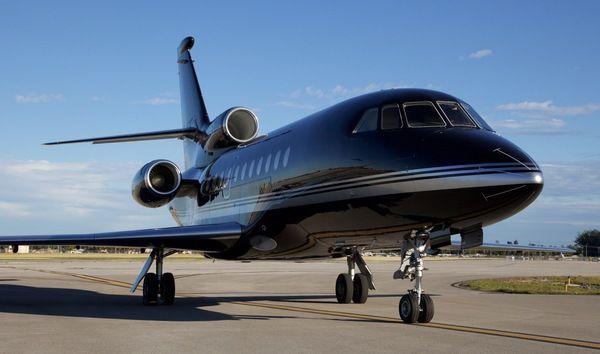
Luxury Travel Private Jet Privatejetia 4
Traveling on a private jet is often seen as the maximum experience of luxury and convenience, offering a very uniqueed comfort and flexibility. It provides a more personalized and exclusive experience, with the ability to choose your own flight schedule and avoid the crowds and delays typically associated with commercial air travel. However, just as with any mode of transportation, it’s important to prioritize safety and security when flying privately. Private jet travelers should be aware of the various measures that are put in place to ensure a safe and secure journey, and knowing what to look for can provide peace of mind throughout the entire flight process.
Feeling safe and secure while traveling on a private jet is not just about knowing that the aircraft is in good condition or that the pilots are well-trained. It’s also about understanding the safety protocols, making informed decisions when selecting a private jet company, and knowing the measures taken to safeguard your privacy and personal security. By following some simple yet effective tips, you can ensure that your private jet experience is as secure and enjoyable as possible.
Understanding Safety Standards in Private Jet Travel
Before boarding a private jet, it’s important to understand that these aircraft are subject to the same rigorous safety standards as commercial airliners. Aviation authorities, such as the Federal Aviation Administration (FAA) in the United States and the European Union Aviation Safety Agency (EASA), establish regulations that apply to private jets to ensure safe operations.
Private jet companies must adhere to these regulations, which cover various aspects of flight safety, including aircraft maintenance, crew qualifications, flight operations, and emergency preparedness. These standards are designed to minimize the risk of accidents or incidents and are enforced through regular audits, inspections, and certifications. By flying with a reputable private jet company that follows these safety standards, passengers can be confident that their safety is a top priority.
One of the key factors in ensuring safety is the maintenance of the aircraft itself. Private jets undergo regular inspections and maintenance checks to ensure that all systems, such as engines, electrical systems, and flight controls, are functioning properly. These checks are carried out by highly trained aviation technicians and mechanics, who follow detailed procedures to identify any potential issues before they become problems.
Another important aspect of safety is the training and certification of the flight crew. Pilots who fly private jets are required to hold an Airline Transport Pilot (ATP) certification, the highest level of certification available, which requires them to undergo extensive training and pass rigorous exams. In addition to the initial certification, pilots must undergo recurrent training and simulations to ensure that they are prepared to handle any emergency situation that may arise during the flight.
Choosing a Trusted Private Jet Company
When it comes to feeling safe and secure while traveling on a private jet, choosing the right private jet company is crucial. Not all private jet companies operate under the same level of safety standards, so it’s important to do your research and select a company with a solid reputation for safety, reliability, and customer service.
Look for private jet companies that are certified by reputable aviation authorities such as the FAA or EASA. These certifications ensure that the company complies with the necessary safety regulations and adheres to industry best practices. Additionally, many top-tier private jet operators pursue voluntary safety certifications, such as the International Standard for Business Aircraft Operations (IS-BAO), which further demonstrates their commitment to maintaining the highest safety standards.
Reputable private jet companies invest in the latest technology, equipment, and training to ensure that their operations meet or exceed safety expectations. They also maintain a fleet of well-maintained aircraft and provide their passengers with experienced and well-trained flight crews who are committed to delivering the safest and most secure flying experience.
Understanding the Role of Pilot Training and Experience
One of the primary factors that contribute to feeling safe while traveling on a private jet is knowing that the pilots are highly trained and experienced. Private jet pilots undergo extensive training, which includes accumulating significant flying hours, passing written and practical exams, and undergoing recurrent training to stay up to date with the latest aviation procedures.
Private jet pilots must hold an Airline Transport Pilot (ATP) certification, which is the highest level of certification available and requires a minimum of 1,500 flight hours. Additionally, pilots are required to pass medical exams to ensure that they are physically and mentally fit to fly. This ensures that they are capable of handling any situation that may arise during the flight, whether it’s dealing with turbulence, adverse weather conditions, or technical issues.
Many private jet companies also provide their pilots with additional training specific to the aircraft they are flying. This means that pilots are thoroughly familiar with the nuances and technical features of each aircraft type, allowing them to operate it safely and efficiently.
Additionally, private jet pilots are trained to handle emergency situations and are well-versed in procedures for responding to a variety of potential scenarios. These training exercises include simulations of in-flight emergencies such as engine failure, cabin depressurization, and medical emergencies. Pilots are also trained in communication and coordination with air traffic control to ensure a smooth and safe flight.
Private Jet Security Measures: Protecting Your Privacy
Security is another critical aspect of private jet travel. Unlike commercial flights, where security checks are typically conducted at airport terminals, private jet passengers often enjoy a more private and streamlined security experience. However, it’s important to ensure that the security measures in place at the private jet terminal, also known as a Fixed-Base Operator (FBO), are robust enough to protect your privacy and ensure your safety.
Private jet terminals offer a higher level of privacy and security than traditional commercial airports. Passengers are typically required to undergo identity verification, and their luggage is screened for prohibited items, just as it would be at a commercial airport. However, because private jet terminals are generally smaller and more exclusive, the security process tends to be faster and more discreet, allowing passengers to avoid the long lines and crowds associated with commercial airports.
For passengers who require heightened security, many private jet companies offer additional services such as armed security personnel, private security escorts, and VIP protection. These measures are especially important for high-profile individuals or those who have specific security concerns.
Moreover, private jet operators maintain strict access control at the terminals and onboard the aircraft. Only authorized personnel are allowed to access the jet, and passengers can rest assured that their travel experience will remain secure and private from start to finish.
In-Flight Safety Features and Emergency Protocols
While the focus on safety and security is evident during the pre-flight phase, it’s just as important to ensure that the flight itself is as secure as possible. Private jets are equipped with advanced safety features and systems that help protect passengers during the flight. For example, many private jets are equipped with weather radar, which helps pilots detect and avoid turbulent or hazardous weather conditions.
In the event of a sudden emergency, private jets are equipped with a variety of safety features designed to protect passengers. These include oxygen masks that automatically deploy in the event of a cabin depressurization, as well as fire extinguishers, life vests, and first aid kits. Many private jets also have emergency exit slides and additional emergency equipment for passengers to use in the event of a forced landing.
In addition to the safety features onboard, flight attendants are trained to handle emergency situations and are well-versed in the procedures for evacuating the aircraft, providing first aid, or managing medical emergencies. These safety protocols are designed to ensure that passengers remain safe and calm in the event of an unexpected situation.
Moreover, pilots and flight crews are trained to handle emergencies and are equipped with the necessary skills and knowledge to respond swiftly and effectively. They are also trained in crisis management and passenger communication, ensuring that passengers are kept informed throughout the duration of the emergency.
Choosing the Right Private Jet for Your Needs
When traveling on a private jet, it’s also important to choose an aircraft that meets your specific safety and comfort needs. Different private jets have varying levels of safety features, and some aircraft may be better suited to certain types of flights than others. For example, smaller jets may be more vulnerable to turbulence, while larger jets may offer more stability and comfort for longer flights.
Private jet companies typically offer a range of aircraft options, each with its own unique features and specifications. When booking a flight, consider factors such as the size of the aircraft, its maintenance history, and the availability of safety features like weather radar, emergency oxygen systems, and advanced navigation systems. Make sure to inquire about the aircraft’s safety record and any special safety features it may have.
By selecting a private jet that meets your specific needs, you can ensure that your flight will be both safe and comfortable.
Conclusion: Prioritizing Safety and Security on Every Private Jet Flight
Traveling on a private jet offers an extraordinary level of luxury and convenience, but above all, safety and security should always be the top priority. By understanding the safety standards that govern private jet travel, choosing a reputable private jet company, and being aware of the security measures in place, you can feel confident and secure throughout your flight.
Private jet companies go to great lengths to ensure that every aspect of your journey is safe and secure, from the maintenance of the aircraft to the training of the pilots and flight crews. Whether you are flying for business, leisure, or any other purpose, you can rest assured that the measures taken by private jet companies will keep you safe from start to finish.
By taking the time to select a trusted private jet operator, understanding the security protocols, and being aware of the in-flight safety features, you can ensure that your private jet experience will be a secure and worry-free journey. Flying privately doesn’t just offer the luxury of exclusivity, it also offers the peace of mind that your safety and well-being are always the top priority.